

Tuesday, 9:45 a.m., client lobby. I was reaching for my notebook when I realized my jacket was pulling across the shoulders and my shoes were already making me regret the parking garage. That is exactly why work outfits deserve a little planning. The right combination should help you move through a meeting, a commute, and an unexpected lunch without requiring constant adjustment.
The best work outfits are not built around a dramatic new trend. They come from a small group of pieces that cooperate: a jacket that sits comfortably when you are seated, pants that do not need tugging, and shoes you can actually walk in. After 14 years in bank branches and client meetings, I learned that good clothes, no drama, is a much better goal than having a closet full of impressive items.
Start with a dependable outfit formula
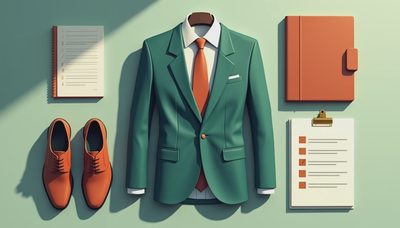
A reliable formula gives you something to wear when your calendar is packed and Ivy has misplaced one of her shoes. Start with one structured layer, one simple top, and one polished bottom. That might mean a navy blazer, a soft shell, and straight-leg trousers. It could also be a knit dress with a cardigan and loafers. The formula works because each piece has a clear job.
For office settings with a traditional dress code, a blazer creates enough polish for a presentation without making the rest of the outfit complicated. In a business-casual office, a fine-gauge sweater can take its place. Brands such as J.Crew, Banana Republic, and Quince offer familiar building blocks, but the label matters less than the fabric, fit, and return policy. A $90 jacket worn twice a week is more useful than a $250 statement piece that stays on the hanger.
When I plan work outfits, I also think about the room. A client meeting in a bank lobby calls for a little more structure than an internal Friday meeting. A conference room with cold air conditioning makes a light layer practical, not fussy. Dressing for the actual day is a small courtesy to yourself.

Build around three useful bottoms
You do not need twelve pairs of office pants. Three dependable bottoms can carry most work outfits through a month: one dark trouser, one lighter neutral, and one skirt or dress alternative. Black, navy, charcoal, camel, and gray are easy to combine, so you can change the top without rebuilding the entire look.
Pay attention to what happens when you sit. The waistband should stay comfortable, the hem should not climb dramatically, and the fabric should recover after a morning at your desk. Ponte, washable wool blends, and substantial stretch twill often perform better than very thin polyester. If you commute by car, check the back of the garment for wrinkling after a short drive. That five-minute test can prevent a disappointing purchase.
A wide-leg trouser can look polished with a tucked-in knit and a shorter jacket. Straight-leg pants work well with a longer cardigan or a classic button-down. Neither choice is more professional by itself. The useful choice is the one that works with the tops and shoes you already own.
Let the top do less work
The most wearable work outfits usually begin with quiet tops. A white or blue button-down, a silk-blend shell, a fine knit, and a striped tee can support many combinations without making you feel repetitive. Keep one or two colors near your face that you genuinely enjoy wearing. This is not about finding the “right” color for your appearance; it is about choosing something that makes you feel awake at 8 a.m.
Necklines matter for practical reasons. A high crew neck works under a jacket because it stays put. A shallow V-neck can create breathing room without requiring a camisole that shifts all day. If a blouse gaps when you reach for a file, it is not failing as a body; it is simply asking for a different cut or a small alteration.
For work outfits that need to go from desk to dinner, choose a top with texture or a subtle print rather than a loud detail. A navy blouse with a small geometric pattern can handle a client presentation and a casual meal afterward. Add earrings or a lipstick you keep in your desk drawer, and you are finished.

Choose shoes for the whole day
Shoes can quietly ruin good work outfits. I learned this after wearing beautiful pointed pumps to a quarterly meeting and spending the rest of the afternoon walking like I was carrying a tray of drinks. A block heel, loafer, ballet flat, or clean leather sneaker can look professional while giving you a better chance of reaching the end of the day comfortably.
Keep at least one pair in a neutral color that works with most of your trousers. Black is straightforward, but tan, burgundy, navy, and metallic leather can also behave like neutrals. If your office allows sneakers, look for a streamlined pair with a clean upper rather than a running shoe designed for the track. Cole Haan, Naturalizer, and Sam Edelman are common places to compare office-friendly options, though comfort should win over the brand name.
Before wearing new shoes to work, walk around your home for 20 minutes. Test stairs, a quick turn, and sitting down. If the shoe slips, pinches, or makes noise on the floor, it needs a solution before it meets a client.
Use a small color plan
A closet becomes easier when the colors cooperate. Pick two dark neutrals, two lighter neutrals, and one accent color. For example, navy and charcoal can anchor the wardrobe, while cream and camel soften it. Add burgundy, teal, or forest green as the accent. This gives you enough variation without buying a separate shoe and handbag for every outfit.
A color plan also makes work outfits easier to pack. For a two-day business trip, bring one jacket, two tops, one trouser, and one dress or second bottom. Change the top, switch the shoes, and add a scarf or necklace if you want a visible difference. The goal is not to look like you packed less. The goal is to carry less while still feeling prepared.
I keep a cost-per-wear note on my phone for anything over $50. A $120 blazer worn 60 times costs $2 per wear. That number tells me far more than a temporary sale price. If a piece supports multiple outfits and survives regular care, it earns its place.
A five-minute morning check
Before leaving, sit down in the outfit. Reach forward as if you are passing a document across a table. Check the hem, the waistband, the neckline, and the pocket situation. Then look at the shoes and ask whether you can walk from the parking lot to the meeting without changing your stride.
This quick test catches most problems before they become office distractions. Carry a lint roller, stain pen, and small safety pins in your desk or work bag. A cardigan can cover a coffee mark while you handle the rest. These are not glamorous solutions, but they are the kind that save a Tuesday.
The most useful work outfits are the ones that let you focus on the conversation instead of your sleeve, waistband, or shoes. Choose one dependable formula this week, wear it twice in different combinations, and notice what makes the day easier. Then build from that evidence. Good clothes, no drama.