

Tuesday, 9:45 a.m., and I am walking toward a client meeting wondering whether my outfit says “prepared” or “I misunderstood the email.” If you are searching for the business business casual dress code, you are probably dealing with the same problem: the words sound clear until you open your closet. The good news is that this dress code is less mysterious than it looks. It usually means polished separates, comfortable professional shoes, and enough structure to look ready for the work in front of you.
The repeated wording in “business business casual dress code” may simply be a typo in an employer’s message. Read the surrounding instructions before getting dressed. If the note mentions client visits, presentations, leadership meetings, or conservative attire, choose the more polished end of business casual. If it describes a relaxed office with jeans and sneakers, you have more room. When in doubt, dress one step sharper for your first day and observe what trusted coworkers wear.
What the business business casual dress code usually means
For most American offices, business casual sits between a formal suit and everyday weekend clothing. You do not need a matching jacket and pants, but your outfit should look intentional. A knit blazer with ankle pants works. So does a tucked-in blouse with a midi skirt, or a fine-gauge sweater with tailored trousers. The common thread is clean shape, good condition, and coverage suitable for sitting across from a client.
A useful test is to ask whether each piece could handle an unexpected meeting with your manager. A $70 pair of straight-leg trousers can pass that test when the fabric is smooth and the fit is comfortable. A stretched T-shirt, distressed denim, or a hoodie usually cannot, even if your office is relaxed. This is not about spending more. It is about choosing pieces that hold their shape from the morning commute through the last conference call.
Color can do some of the work for you. Navy, charcoal, camel, cream, black, olive, and muted blue are easy to combine and tend to look composed. A brighter blouse or patterned scarf can add personality without turning your outfit into a conversation about your clothes. Good clothes, no drama.

Building a reliable outfit formula
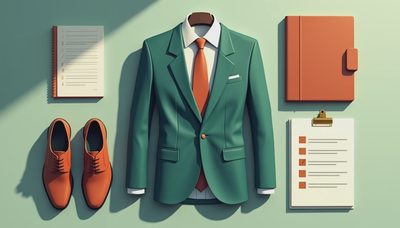
When the morning is already crowded with school drop-off, coffee, and a calendar full of meetings, formulas are better than inspiration. Start with one structured piece: a blazer, a collar-front blouse, polished trousers, or a skirt with a stable waistband. Add one softer piece, such as a knit shell or cardigan. Finish with shoes that are clean, secure, and comfortable enough for the amount of walking your day requires.
One dependable formula is a navy blazer, ivory knit top, gray trousers, and loafers. Another is a tucked-in button-front shirt, black ankle pants, and low block-heel pumps. For warmer weather, try a sleeveless shell under a lightweight jacket with a midi skirt. The jacket matters because it gives the outfit a clear finish when you enter a meeting, even if you remove it at your desk.
Pay attention to what happens when you sit down. Does the blouse pull across the buttons? Does the blazer sleeve catch on the chair? Does the skirt require constant adjustment? These are not minor details when you spend eight hours moving between desks, cars, and conference rooms. A garment that works standing in a fitting room must also work while reaching for a notebook or leaning toward a laptop.
Shoes, bags, and the details people notice
Shoes do not need to be expensive, but they should look cared for. Leather loafers, simple flats, low block heels, and sleek ankle boots can all fit a business business casual dress code when they are in good condition. Keep a backup pair under your desk if your commute involves a lot of walking. I learned this after wearing a beautiful pair of pumps through a full day of branch meetings and spending the evening treating two very unhappy feet.
A structured tote or medium-size work bag keeps the visual line of your outfit professional. It does not need a designer logo. Look for enough room for a laptop, charger, notebook, and small personal items without forcing the bag to collapse. Jewelry can stay simple: small hoops, a watch, or one noticeable necklace. The goal is for people to remember what you said, not count the bracelets moving across the table.
Grooming also affects the finished impression. Clean shoes, pressed clothing, and a lint-free jacket make a $45 outfit look more considered. On the other hand, an expensive blazer with wrinkled sleeves can look careless. I keep a small lint roller and travel steamer near the front door because the final two minutes before leaving often matter more than the label inside the garment.

How to handle denim, prints, and casual offices
Denim is the detail most likely to create confusion. In some workplaces, dark, uniform jeans are accepted with a blazer and polished shoes. In others, denim is reserved for Friday or prohibited around clients. If your company allows it, choose a clean dark wash without rips, fading, or decorative stitching. Pair it with a refined top and structured jacket rather than another casual layer.
Prints are welcome when the rest of the outfit is quiet. A small geometric blouse with navy trousers is easier to wear than a loud print combined with bright shoes, statement jewelry, and a patterned bag. You can also use texture for interest: a ribbed knit, suede loafers, or a subtle herringbone jacket adds depth without making the outfit feel busy.
The business business casual dress code does not require you to erase your personal style. It simply asks you to translate that style for a professional room. If you love color, wear a cobalt blouse under a neutral blazer. If you prefer minimal clothing, use strong basics with clean lines. If dresses are your easiest option, keep a few work-appropriate styles ready with a cardigan or jacket for added structure.
What to do when the instructions are vague
Start by checking the exact language in the employee handbook, onboarding email, or meeting invitation. “Business casual” and “business professional” are not interchangeable. Business professional usually points toward suits, matching separates, dress pants, and more formal shoes. Business casual gives you more flexibility, but it still expects a finished appearance.
Next, identify the highest-stakes part of your day. A relaxed internal planning meeting can support trousers and a sweater. A presentation to a new client deserves the blazer, even if the rest of the team is dressed casually. You can also ask a practical question: “For client meetings, do people usually wear jackets?” That sounds prepared, not insecure, and it gives you information you can use.
Take a quick mirror photo before leaving and check the whole outfit rather than one item at a time. Look at the proportions while sitting, the condition of your shoes, and whether the bag suits the setting. If you could walk into an unexpected meeting without changing, you are probably in the right range for the business business casual dress code.
A simple closet plan that saves time
You do not need thirty office outfits. Start with two pairs of trousers, one skirt or dress, two jackets, four tops, one cardigan, and two comfortable pairs of shoes. Those pieces can create more than a week of combinations if the colors work together. Add one seasonal layer rather than buying an entirely new wardrobe every few months.
Before shopping, write down what you actually wear. If you own five blouses but reach for the same black pants every Tuesday, another blouse will not solve the problem. Maybe you need a second pair of trousers, a jacket that works with dresses, or shoes that can handle the walk from the parking garage. I keep a cost-per-wear note on my phone; an $80 blazer worn forty times is a better purchase than a $35 top that stays on the hanger.
Your actionable takeaway is simple: choose one structured piece, one comfortable professional base, and shoes that can carry you through the entire day. That combination will meet most versions of the business business casual dress code without making your morning harder. Good clothes, no drama.