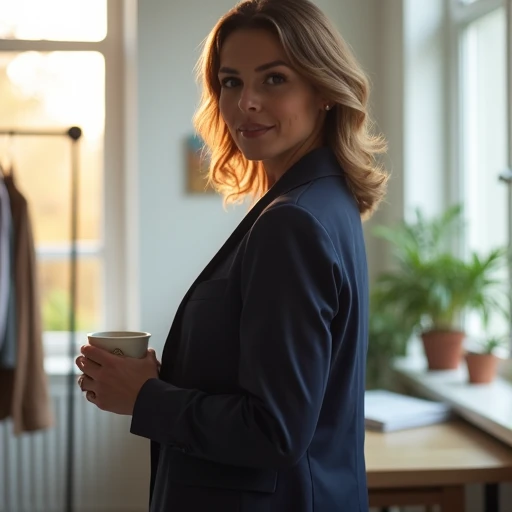
Tuesday, 8:15 a.m., and you are sitting in the car outside an office building wondering whether your jacket looks professional or like you borrowed it from someone else. I have been there. The right interview outfits do not need to be expensive, trendy, or uncomfortable. They need to help you focus on the conversation instead of tugging at a sleeve, checking a hem, or worrying about a shoe that pinches.
After 14 years in bank branches and client meetings, I learned that polished dressing is mostly about preparation. A clean, comfortable base, one structured layer, and shoes you can actually walk in will take you farther than a closet full of dramatic pieces. Good clothes, no drama.
Start With the Workplace, Not Your Closet
Before planning interview outfits, find out what people actually wear at the company. Look at employee photos on the website, notice the industry, and ask the recruiter whether the environment is business formal, business casual, or casual. A law office, medical practice, bank, design studio, and tech company can all interpret “professional” differently.
For a conservative workplace, try a navy or charcoal suit with a simple shell or button-front blouse. For a business-casual office, tailored trousers with a knit top and blazer are usually enough. A creative workplace gives you more room for color, texture, or a polished dress, but neatness still matters. You are not trying to disguise yourself as an employee. You are showing that you understand the room you are entering.
When in doubt, dress one small step more formally than the daily dress code. A blazer can be removed if the office feels relaxed. It is harder to add one after arriving.
The Three Pieces That Do the Most Work
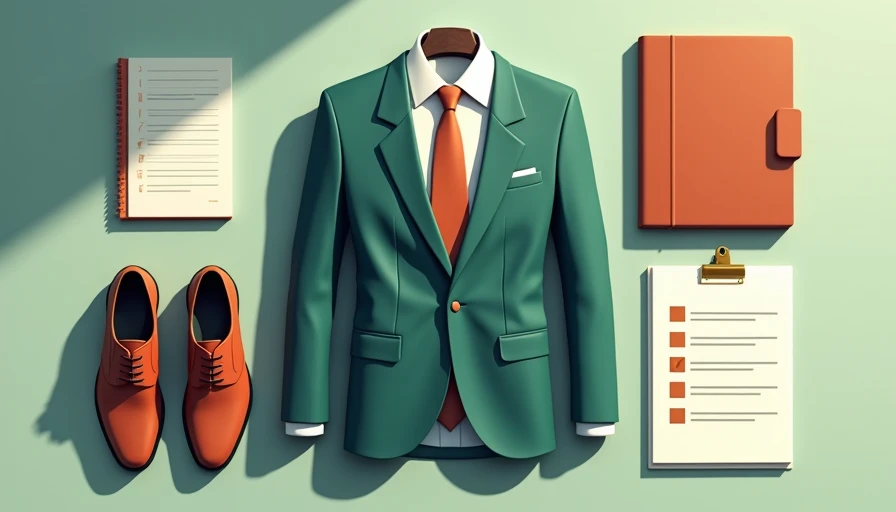
The most reliable interview outfits usually have three visible elements: a polished top, a structured layer, and a clean bottom half. That might mean a blouse, blazer, and trousers. It could also be a sheath dress, cardigan, and low heels. The formula works because each piece has a job.
The top should be comfortable when you sit and raise your arms. Avoid anything that needs constant adjusting or has a neckline you will monitor throughout the meeting. A matte fabric often looks more professional on video than a shiny satin that catches every light.
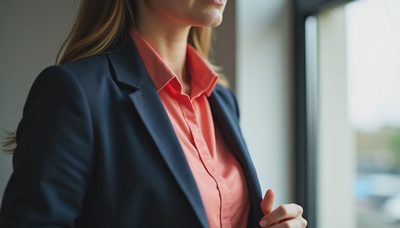
The jacket creates a finished frame around your face and shoulders. It does not have to be a traditional suit jacket. A collarless knit blazer, polished cardigan jacket, or softly tailored linen blend can work in the right office. Try sitting in it before interview day. If it bunches across your back or the sleeves swallow your hands, choose another layer.
For the bottom half, straight-leg trousers, ankle-length pants, or a knee-length skirt can all work. The important test is movement. Walk, sit, cross your legs, and reach for a bag. If the outfit only looks good while standing still, it is not ready.
Interview Outfits for In-Person Meetings
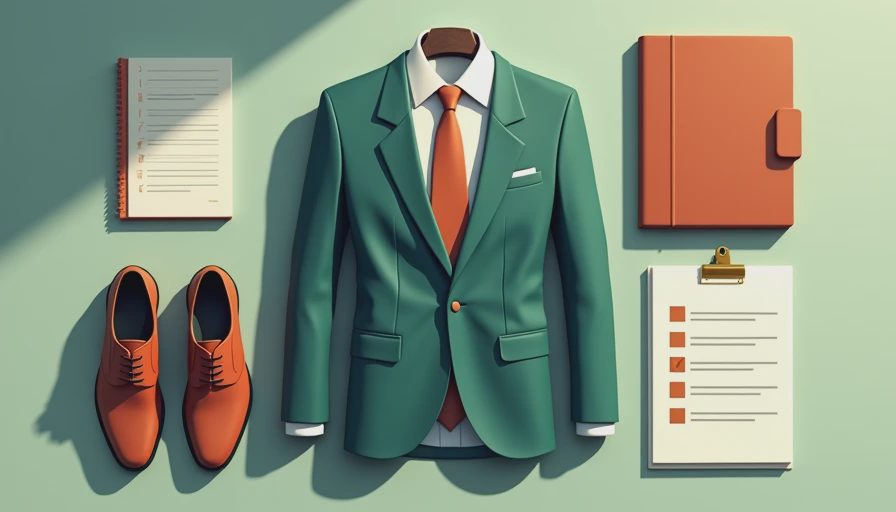
In-person meetings require more practical thinking than a mirror check. You may walk several blocks, wait in a lobby, sit in a low conference chair, or tour a workplace. Wear shoes that have already survived a full day, not a brand-new pair you hope will soften by lunch.
Black, navy, taupe, and dark brown shoes are easy starting points. A block heel between one and two inches gives some polish without making every step an event. Loafers, ballet flats, and sleek ankle boots can be just as professional when they are clean and in good condition. Carry a small blister bandage in your bag anyway. Preparedness is not pessimism; it is experience.
Your bag should hold a notebook, pen, phone, wallet, and a printed resume without looking crowded. A structured tote from a practical brand such as Dagne Dover, Lo & Sons, or Madewell can work, but a simple leather or faux-leather bag from any retailer is fine. Leave the oversized canvas grocery tote at home for this meeting.
Keep jewelry quiet enough that it does not compete with your answers. Small hoops, a watch, or one delicate necklace can finish the look. If a bracelet clacks against the table every time you gesture, it has become part of the interview.
Dressing for a Video Interview
Video interview outfits need to work from the waist up, but do not ignore the rest of the outfit. Wearing pajama pants under a blazer sounds efficient until you need to stand, adjust the camera, or retrieve a dropped notebook. Getting dressed completely also changes how you carry yourself.
Choose a top with enough contrast from your background. A pale blouse against a white wall can disappear, while a jewel tone, soft blue, or medium gray often reads clearly on camera. Avoid tiny stripes and high-shine fabric because they can create distracting patterns under webcam lighting.
Position the camera at eye level and test the neckline before the call. A lower camera angle can make a perfectly good jacket look bulky, while a camera placed too high may cut off the shape of the outfit. Check that your earrings do not brush the microphone and that your glasses are free of screen glare.
For video interview outfits, the simplest choice is often the strongest: one solid top, one neat jacket, natural makeup if you wear it, and hair secured in a way that will not make you fuss. The interviewer should remember your questions and examples, not your collar.
Color, Fit, and Personal Style
Color should make you feel steady, not costume-like. Navy is softer than black and works across many industries. Burgundy, forest green, muted blue, and deep plum add personality without shouting. If you love a bright color, use it in a blouse, shoe, or small accessory rather than building the entire outfit around it.
Fit does not mean tight or restrictive. It means the shoulder seam sits near your shoulder, the sleeve ends in a useful place, and the fabric does not pull when you sit. This applies at every size and age. Clothes should accommodate your day, not ask you to spend the day accommodating them.
Personal style is welcome in interview outfits. Maybe you prefer minimal jewelry, colorful glasses, natural fabrics, or a printed blouse. Keep the distinctive element to one or two pieces so the overall look still feels intentional. The goal is not to erase your personality. It is to make your qualifications easy to hear.
A Night-Before Outfit Test
The night before the interview, hang the complete outfit together, including undergarments, shoes, bag, and any coat you will wear outside. Try everything on for ten minutes. Sit at a table, walk up stairs, and look at yourself from the side and back. This catches practical problems that a quick mirror glance misses.
Check the care label and remove lint, loose threads, and deodorant marks. Steam the jacket and blouse, polish the shoes, and charge your phone. Put your resume and a pen in the bag. If the interview is early, set aside breakfast and decide how you will handle weather. Nashville humidity, summer rain, and office air conditioning have all defeated otherwise excellent interview outfits.
Take one phone photo in natural light. The picture often reveals a hem that needs adjusting or a color combination that feels different from what you saw indoors. If you discover a problem, change one item rather than rebuilding the entire look at midnight.
A Simple Outfit Plan for Different Roles
For a bank, consulting firm, or corporate office, a navy suit with a pale blue shell and low block heels is a dependable starting point. For a nonprofit or school, try dark trousers, a patterned blouse, and a cardigan jacket. For a healthcare administrative role, neat trousers and a washable knit top under a blazer offer polish without fussy fabric. For a creative position, use a clean black base with one interesting jacket, shoe, or accessory.
These are starting points, not rules. A structured dress can replace separates, and a matching jacket and trouser set does not have to come from a traditional suiting department. Banana Republic, J.Crew, Nordstrom Rack, and Uniqlo are examples of places where professionals often find useful basics at different price points, but your existing closet may already contain the answer.
I keep a cost-per-wear note on my phone for pieces over $50. A $120 blazer worn twice a month for two years costs about $2.50 per wear. That is a better investment than a cheaper jacket that stays on the hanger because it feels wrong.
The One Takeaway
Choose interview outfits that let you sit, walk, breathe, and answer questions without adjustment. Start with the workplace, build around one reliable layer, test the complete outfit the night before, and leave room for your own style. You do not need a new identity for an interview. You need good clothes, no drama, and enough attention left for the conversation.