

Tuesday, 9:45 a.m., and you have a client call in twenty minutes. You are dressed, technically, but the jeans feel too relaxed and the blazer feels too formal. The smart casual dress code women encounter at work lives in that uncomfortable middle ground. After 14 years in bank branches and conference rooms, I learned that the answer is not buying more clothes. It is combining familiar pieces in a way that looks intentional, comfortable, and ready for the next meeting.
What smart casual means in a real workplace
Smart casual is polished clothing with some room to breathe. It usually sits below traditional business attire but above weekend wear. A tailored knit jacket, ankle pants, loafers, and a simple shell can work. So can a fine-gauge sweater with a midi skirt and clean leather flats. The clothes do not need to be expensive, but they should be in good condition, fit comfortably when you sit, and look like you chose them on purpose.
The phrase is flexible because offices are flexible. A downtown law firm, a creative agency, and a regional bank will each set a different line. Look at what respected coworkers wear on a normal day, not what they wear for an annual party. If the office has casual Friday, that still does not automatically mean athletic leggings, distressed denim, or a graphic T-shirt are appropriate for a client-facing afternoon.
The easiest test is the three-second check: could you walk into a brief meeting without changing? If the answer is no, add one polished layer or replace the most casual item. A structured cardigan over a T-shirt can do that work. So can a belt, a pressed shirt, or shoes that are clean and office-ready.

The foundation pieces that make dressing easier
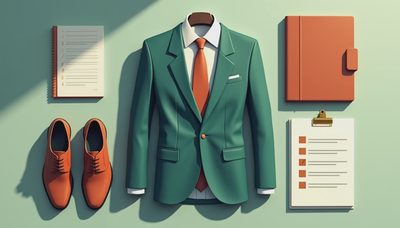
A practical smart casual dress code women wardrobe does not need a closet full of separate outfits. Start with five categories: one pair of dark, non-distressed jeans; two pairs of trousers; a knee-length or midi skirt; three polished tops; and one jacket that works over nearly everything. Add loafers, low block heels, ballet flats, or sleek ankle boots, depending on your commute and office.
Color helps these pieces earn their keep. Navy, black, charcoal, camel, cream, and denim mix without much thought. You can add burgundy, forest green, soft blue, or another color you enjoy. My own test is whether one top works with at least three bottoms. If it does, it earns space. If it only works with one skirt and requires a special bra, special shoes, and perfect weather, it is not helping your Tuesday morning.
Fabric matters as much as color. A cotton poplin shirt looks crisp, while a very thin jersey top can read like weekend clothing under office lighting. A ponte pant often gives you the ease of a stretch fabric with a cleaner appearance. A sweater should be opaque, free of pilling, and substantial enough to hold its shape through a full day.
Think about the seated view, too. In my branch-manager years, I spent more time in client chairs than standing in front of a mirror. Check where a jacket lands when you sit, whether a blouse gaps at the buttons, and whether your skirt stays comfortable when crossing your legs. That is conference-room practicality, not fashion theory.
Outfit formulas for ordinary workdays
The smart casual dress code women follow most successfully usually comes from repeatable formulas. The first is dark straight-leg jeans, a tucked-in blouse, a blazer or knit jacket, and loafers. This is useful for a regular office day that includes an informal client conversation. The dark denim keeps the outfit relaxed, while the jacket gives it enough structure.
The second is ankle trousers, a fine sweater, and pointed flats or low heels. Choose trousers that skim rather than cling and check that the hem does not bunch over your shoes. This outfit travels well because a navy or gray trouser can support several tops without looking repetitive.
The third is a midi skirt with a simple knit top and a cropped jacket. It works when you want movement and comfort without looking dressed for a special occasion. Keep the accessories straightforward: small hoops, a watch, or one useful necklace. You do not need a statement piece competing with your conversation.
For a presentation day, wear the same formula with one stronger layer. A solid blazer over a monochrome base creates a clear line without turning the outfit into a suit. For a casual team lunch, remove the jacket and add a neat cardigan. The smart casual dress code women need is often one layer away from being right for both events.

Shoes, denim, and the details people notice
Shoes set the tone faster than almost anything else. Loafers, leather flats, low block heels, and polished ankle boots are reliable choices. Clean white sneakers can work in some offices, particularly with trousers and a blazer, but they need to look deliberately minimal rather than like the pair you wore for a Saturday grocery run. Check the soles, laces, and overall condition before wearing them to a meeting.
Denim requires the same judgment. Dark blue, black, or ecru jeans with a clean hem are easier to style than heavily faded or distressed pairs. A straight or gently wide leg usually looks intentional with a tucked blouse and a jacket. If you are unsure, wear trousers on the first day at a new workplace and observe the room before introducing jeans.
Accessories should make the outfit feel finished, not busy. A structured tote, a simple belt, and small earrings can turn basic pieces into a complete look. Keep visible logos and noisy jewelry limited when you are meeting clients. Your clothes should support your credibility, not become the subject of the meeting.
Common gray areas and quick fixes
A sleeveless top is not automatically too casual, but the shoulder line and fabric matter. If it looks like a camisole, add a jacket or cardigan. A T-shirt can work under tailoring when it is thick, clean, and free of slogans. A cardigan can replace a blazer when it has enough structure and is not stretched, fuzzy, or visibly worn.
Open-toe shoes depend on the workplace, season, and level of formality. A refined sandal may be fine in one office and distracting in another. The same is true of jumpsuits, statement prints, and very wide trousers. When an item is borderline, pair it with conservative pieces elsewhere. A bold print with simple shoes and a quiet jacket is easier to read than bold print, dramatic shoes, and oversized jewelry all at once.
Fit is also a practical issue, not a body judgment. Clothing should let you reach for a file, sit through a meeting, and walk across a parking lot without constant adjusting. If a waistband digs in or a sleeve pulls when you extend your arm, the outfit is asking too much of you. Good clothes, no drama.
A five-minute morning check
Before leaving, stand in natural light and check the outfit from the front, side, and seated position. Look for wrinkles, loose threads, visible undergarments, and shoes that need cleaning. Make sure your bag can hold your essentials without bulging and that your jacket can come off without leaving you underdressed.
Then ask one useful question: what is the most formal thing on my calendar today? Dress toward that event, not toward the least formal one. If you have a client visit after a casual internal meeting, wear the blazer. If you are working from home and only have video calls, a polished top may be enough, but keep the neckline and lighting in mind.
The smart casual dress code women can use confidently is not a rigid uniform. It is a small collection of dependable pieces, combined with awareness of your workplace and your actual day. Start tomorrow with dark denim or trousers, a polished top, a third layer, and clean shoes. Take one mirror photo before you leave. That single habit will show you what works faster than another hour of scrolling.