

At 8:15 on a Tuesday morning, you are packing a lunch, answering one email, and wondering whether your outfit looks polished enough for the 10 o'clock meeting. The best examples of women's business casual solve that problem without requiring a fashion degree or a closet full of new clothes. You need pieces that look professional when you are sitting across from a client, comfortable enough for a commute, and practical enough for the rest of an ordinary workday. Good clothes, no drama.
What business casual actually means
Business casual sits between a formal suit and everyday weekend clothes. In a typical office, that can mean trousers with a knit top, a midi skirt with a simple sweater, or a dress worn with a cardigan or jacket. The exact line depends on your workplace. A bank branch, law office, medical practice, and creative studio may all use the phrase differently.
The easiest way to read the room is to notice what senior employees wear on regular days, not just what appears at a holiday party. If most people wear jackets, add one. If polished jeans are accepted, choose a dark, clean pair without distressing. If customers or executives visit often, keep a more formal layer nearby.
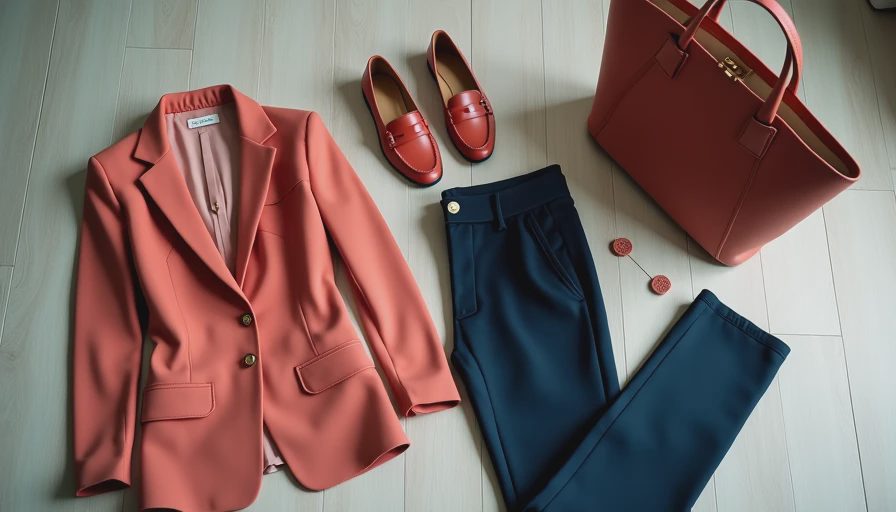
A useful test is the three-part balance: one structured piece, one comfortable piece, and one finished detail. Trousers with a soft blouse and loafers work because the pants provide structure while the fabric keeps the outfit easy. A knit dress with a blazer and low heels follows the same logic.
Examples of women's business casual built from five pieces
You can create a surprising number of outfits from five reliable categories: tailored pants, a dark straight-leg jean if your office permits denim, washable blouses, fine-gauge sweaters, and a jacket or cardigan. Add loafers, simple flats, or a modest block heel, and the foundation is complete.
Try navy ankle pants with an ivory shell and a camel cardigan for a normal office day. Swap the cardigan for a navy blazer before a presentation. Wear the same blazer with dark jeans and a striped knit top on a casual Friday. Black trousers with a jewel-tone blouse look ready for a client lunch, while gray pants and a pale blue sweater feel calm and approachable for internal meetings.
The point is not to own five versions of every item. It is to repeat the strongest pieces in different combinations. My cost-per-wear note helps here: a $90 pair of pants worn twice a week for six months earns its place faster than a $35 statement top that stays in the closet.

Outfit formulas that hold up in actual meetings
The most dependable examples of women's business casual are formulas, not costumes. A formula removes the 7:30 a.m. debate and gives you room to adjust for weather, travel, or a surprise meeting.
For a presentation, start with straight-leg trousers, a tucked or half-tucked blouse, and a blazer that stays comfortable when you sit. Choose earrings or a watch as the finishing detail rather than piling on accessories. For a regular office day, pair a knee-length or midi skirt with a fine-knit sweater and loafers. Tights can make the outfit more comfortable in colder months without changing its professional feel.
For a client-facing day, a simple sheath or wrap-style dress under a cardigan is dependable. Keep the neckline secure when you lean across a table, and test the hem by sitting before leaving home. For commuting, try ponte pants, a button-front shirt, and a structured jacket. Ponte has enough stretch for movement but looks more intentional than athletic fabric.
If your workplace allows denim, choose an even dark wash with a clean hem. Pair it with a blazer and leather loafers so the outfit still has a clear work signal. The jacket does not need to be expensive; it needs to fit comfortably across the back and remain neat after you drive, walk, and sit.
How color and fit make an outfit look finished
Color does not have to be complicated. Start with two neutrals, such as black and cream or navy and gray, then add one color you enjoy wearing. Burgundy, forest green, cobalt, muted pink, and teal can all work as a blouse, sweater, shoe, or bag. Keeping the rest quiet makes that one color look deliberate.
Fit means the garment behaves well during the day. A sleeve should allow you to reach for a file without pulling tightly at the upper arm. Pants should sit securely when you sit down, and a blouse should not gap across the front. A blazer should close without strain, even if you usually wear it open. These details matter because discomfort shows up in your posture and concentration.
Try every potential work outfit while seated. Sit at a desk, cross your legs, reach forward, and walk a few steps. This small test catches hems that ride up, jackets that bunch, and shoes that seemed fine in a store but become distracting by 2 p.m. Good business clothing supports the work instead of demanding attention.
Examples of women's business casual for changing dress codes
A flexible wardrobe needs a few adjustment levers. If the dress code is more formal than expected, add a blazer, switch flats for a low heel, and choose a structured tote. If the office is relaxed, remove the jacket and wear a polished knit or dark denim. The base outfit stays familiar while the level of formality changes.
For a first day at a new job, dress one step more formal than the average employee until you understand the culture. A navy suit worn as separates gives you options: wear the pants with a sweater one day and the jacket with a dress the next. This is safer than arriving in a highly casual outfit and trying to explain that it was your interpretation of business casual.
For warmer climates, linen blends, lightweight cotton, and sleeveless shells under jackets can help. In a cold office, use thin layers instead of one bulky sweater. A fine merino cardigan over a blouse works in a freezing conference room and can be removed during a warm commute. Keep a spare pair of flats or a simple cardigan at work if your schedule changes often.
A five-minute morning check
Before walking out the door, run through five questions. Does the outfit suit the meetings on your calendar? Can you sit and move comfortably? Are the shoes practical for your commute? Is one piece giving the outfit structure? Would adding or removing a jacket make it easier to adapt?
Then check the small details: lint, loose threads, wrinkled hems, and visible camisole straps. A steamer near the bedroom or a travel-size wrinkle-release spray can save an otherwise good outfit. Keep jewelry simple enough that it does not click against a desk or compete with your conversation.
The strongest examples of women's business casual are not the most expensive ones. They are combinations you can repeat, wash, sit in, and trust. Start with one outfit formula for presentations and one for ordinary office days. Photograph both on your phone, note what felt comfortable, and build from there. Your actionable takeaway: choose tomorrow's outfit tonight using one structured piece, one comfortable piece, and one finished detail.