
Tuesday, 9:45 a.m., client lobby. I had just realized my blazer looked polished standing up but pulled across my back every time I reached for a chair. That is when smart casual attire stopped being an abstract dress code and became a practical work problem. You need clothes that look intentional, feel comfortable, and can handle a normal workday rather than a staged photograph.
After 14 years in bank branches and conference rooms, I learned that the easiest version starts with one structured piece, one relaxed piece, and shoes you can actually walk in. The goal is not to look overdressed or chase every office trend. It is to look prepared, capable, and like yourself. Good clothes, no drama.
What smart casual attire actually means
Smart casual attire sits between traditional business wear and everyday clothes. Think tailored trousers with a fine-gauge sweater, dark straight-leg jeans with a jacket, or a simple dress with a cardigan and loafers. The pieces should coordinate, fit comfortably, and show that you made a choice before leaving the house.
The office itself sets the volume. In a conservative financial office, choose navy trousers, a silk-blend blouse, and a low block heel. At a creative agency, dark denim, a striped knit, and clean leather sneakers might work. For a casual Friday client meeting, add a blazer so the outfit can move from desk to conference room without changing completely.
A useful test is to ask whether each item could handle an unexpected introduction. If a customer, supervisor, or new colleague walked up, would you feel appropriately dressed? That question is more helpful than memorizing a list of approved garments.

Build outfits from three dependable formulas
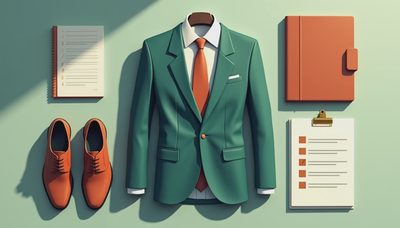
The first formula is a jacket, knit top, and trouser. Try a charcoal blazer, ivory crewneck, and ankle-length pants. This version works for presentations because the jacket gives the outfit authority while the knit keeps it approachable. A belt and small earrings finish it without making the look fussy.
The second is a polished dress with a practical layer. A navy, black, or muted green dress can handle a full day when paired with a cardigan or unstructured blazer. Check the hem while seated, not only while standing in front of a mirror. You want to be able to cross your legs, reach for a folder, and walk through the office comfortably.
The third formula combines dark denim, a button-front shirt, and a refined third piece. The third piece could be a jacket, vest, or long cardigan. Smart casual attire feels more deliberate when the outfit has that extra layer, especially if the jeans are your most relaxed item.
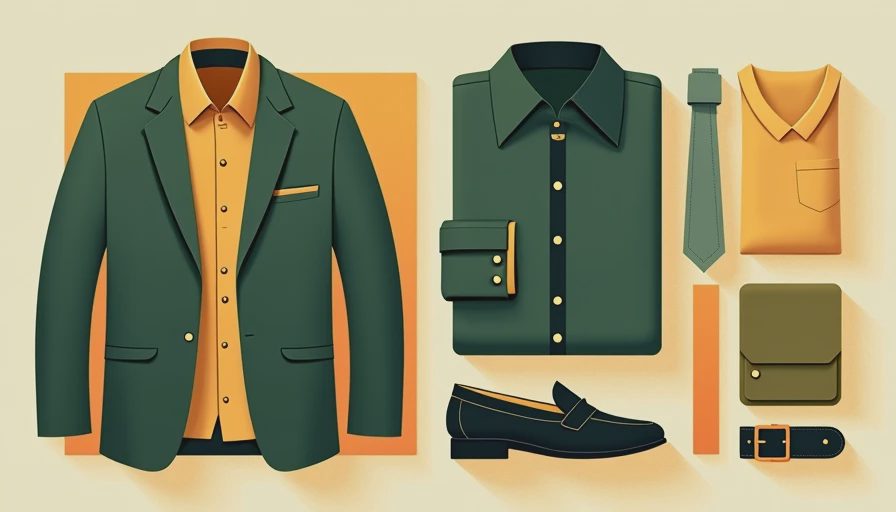
For a small wardrobe, five tops, three bottoms, two jackets, two pairs of work shoes, and one dress can create many combinations. That is enough variety for a typical workweek without filling your closet with clothes that only work in one photograph.
Choose fabric and fit for the actual workday
A beautiful outfit that wrinkles by lunch is not a successful work outfit. Look for fabrics with a little resilience: ponte, washable wool blends, cotton poplin, substantial jersey, and medium-weight crepe. They tend to hold their shape through commuting, sitting, and the occasional coffee run.
Fit does not mean tight. It means the shoulder seam rests close to your shoulder, the waistband stays comfortable when seated, and the sleeve lets you type without constant tugging. A tailor can shorten sleeves or adjust a trouser hem for roughly $15 to $40 in many areas, which can make a $70 pair of pants look far more considered.
Color also does quiet work. Navy, gray, camel, cream, olive, and burgundy combine easily and look different from the usual all-black rotation. If you love bright color, use it in a blouse, shoe, scarf, or bag rather than requiring every item to coordinate with it.
Shoes and accessories that earn their place
Shoes should match the amount of walking your day requires. Loafers, sleek ballet flats, low block heels, and clean leather sneakers can all support smart casual attire when they are in good condition. Scuffed toes and worn-down heel caps can make an otherwise excellent outfit look unfinished.
Keep a simple shoe rotation: one black or dark brown loafer, one comfortable flat or sneaker, and one low heel for days that call for more structure. If you commute by train or walk several blocks, carry the polished pair and wear practical shoes outside. That is not a style failure; it is basic logistics.
Accessories do not need to be expensive. A leather belt, small hoops, a watch, and a structured tote can repeat across dozens of outfits. In meetings, avoid anything that clinks, swings into a laptop, or needs constant adjustment. The best accessory is the one you forget you are wearing.
Adjust the outfit for meetings, travel, and hybrid work
Smart casual attire needs to survive more than one setting. For a video meeting, pay attention to the top half: a crisp collar, simple necklace, or jacket creates definition on screen. Keep the lower half comfortable if you are working from home, but make sure you can stand up without a surprise showing in the background.
For travel days, choose stretch trousers, a wrinkle-resistant top, and a soft jacket. A dark monochromatic base makes packing easier, while one colored sweater changes the look. Add a scarf or earrings only if they will not become another item to manage at the airport.
For an important client meeting, raise the structure by one step. Replace sneakers with loafers, add a blazer, or choose trousers instead of denim. You do not need a completely new wardrobe. Often, one changed piece is enough to shift the message from relaxed to ready.
Hybrid schedules are where many wardrobes fail because people own either formal office clothing or weekend clothing, with very little in between. Keep two complete outfits ready on a hanger. That prevents the 7:30 a.m. search for something that can handle a school drop-off, a video call, and an afternoon appointment.
Shop with a cost-per-wear test
Before buying another blazer, write down three situations where you will wear it. For example: Monday staff meetings, Wednesday client appointments, and Friday dinner after work. If you can picture at least 20 wears, a $120 jacket costs about $6 per wear at first and less over time. That is more useful than buying a $35 item that only works with one pair of pants.
When comparing brands, focus on construction rather than the label. J.Crew, Banana Republic, Loft, Uniqlo, and department-store house brands often offer different strengths across jackets, knitwear, trousers, and basics. Try the item sitting down, reaching forward, and walking several steps. A fitting room is a rehearsal space, not just a place to check the mirror.
Smart casual attire should also fit your laundry routine. If a blouse requires dry cleaning after every wear, it may not be the practical choice for a busy week. Read the care label before purchasing and favor pieces that can be washed or refreshed easily.
The five-minute Sunday test
On Sunday, choose three outfits and photograph them on your phone. Include shoes and a bag. During the week, note what worked: the waistband, the jacket sleeve, the shoes after 3 p.m., or the blouse that needed constant tucking. Those notes tell you what to buy next far more accurately than browsing a sale page.
My final check for smart casual attire is simple: Can I sit through a meeting, walk to the car, greet a client, and forget about my clothes? If yes, the outfit has done its job. Start with one reliable formula this week, wear it twice in different combinations, and let real workdays—not trends—tell you what belongs in your closet.