
Why This Moment Hit Different
It was a regular Tuesday in 2022. I’d been branch manager for a few years already, juggling mortgage questions, small business loans, and the endless stream of clients who sized you up before you even said hello. I was rushing into the lobby at 9:45 AM, coffee in one hand, laptop bag in the other, when I saw myself in the big glass panel by the entrance.
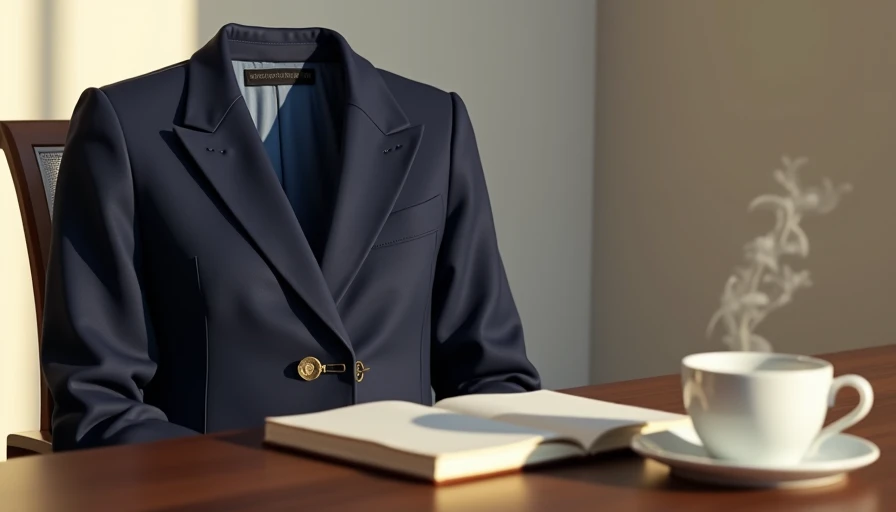
My blazer pulled awkwardly across the shoulders. The hem of my pants had that slightly too-long “I tried” look. The whole outfit screamed competent-but-trying-not-to-take-up-space. In that split second, I realized my clothes weren’t supporting me — they were apologizing for me. And I’d been letting them do it for years.
The Conference Room Reality Check
Banking isn’t a fashion show, but it is a trust business. Clients hand over their financial futures to you. In those first three seconds, your appearance either buys you credibility or makes them wonder if you’re the assistant. I learned this the hard way during my first year as a personal banker.
I remember one particular client — a sharp retired engineer — who spent the entire meeting glancing at my sleeves that kept riding up. He was polite, but the follow-up questions about my experience told me everything. My outfit had created doubt before I could open my mouth. That day I started paying attention. Not to trends, but to what actually worked when you’re sitting across from someone who’s deciding whether to trust you with their money.
What “Apologizing” Clothes Look Like
Let’s be honest — most of us have them. The safe navy blazer that’s a size too big because we wanted “room to move.” The black pants that are technically business casual but make you look like you’re attending a funeral. The blouses with sleeves that bunch up when you type. These pieces don’t scream “I’m unqualified,” but they whisper “I’m not quite sure I belong here.”
I started keeping mental notes during meetings. When I wore the structured shoulder blazer that actually hit at the right point when seated, clients leaned in. When I wore the soft cardigan that felt cozy in the morning but looked sloppy by afternoon, the energy in the room felt... softer. Less decisive.
My First Real Wardrobe Experiment
After that lobby moment, I did something that felt radical for a numbers person like me. I started treating my closet like a financial portfolio. Every piece over $50 got a cost-per-wear note on my phone. I began taking photos of outfits that felt powerful versus ones that felt apologetic.
One Monday I tested the theory. Same meeting schedule, two different outfits. Morning: the old reliable (but slightly off) gray suit. Afternoon: the new blazer I’d invested in after measuring my actual shoulders instead of hoping for the best. The difference in how people responded — and how I carried myself — was impossible to ignore. I stood taller. I spoke more directly. I closed a small business loan that afternoon with more confidence than I’d felt in months.
The Emotional Side No One Talks About
Here’s what they don’t tell you in most style advice: your clothes affect how you show up for yourself. When I dressed like I was apologizing, I caught myself hedging in meetings. “I think this might work…” instead of “Here’s the recommendation.” When my outfit matched my competence, the words came easier. It wasn’t magic. It was psychology.
As a mom to 8-year-old Ivy, I also started noticing the example I was setting. She’s opinionated about her own clothes already. I didn’t want her learning that women should shrink themselves to fit expectations. Good clothes, no drama — that became my new rule, not just for work but for how I wanted to parent.
Practical Ways to Stop the Apology Cycle
You don’t need a full wardrobe overhaul. Start small:
Shoulder Check: Stand in front of a mirror with your arms at your sides and then sit down. Does your blazer still look intentional? If it pulls or gaps, it’s working against you.
The Sitting Test: Most of us sit more than we stand in professional settings. Try every work outfit while seated. If you’re constantly tugging fabric, it’s sending the wrong message.
The Confidence Litmus Test: Before leaving the house, ask yourself: “Would I feel proud if a client saw me right now?” Not “Do I look cute?” — proud. There’s a difference.
The $50 Rule: For anything over $50, track how many times you wear it. If it’s not earning its keep within six months, it’s probably not the right piece for your real life.
The Day Everything Shifted
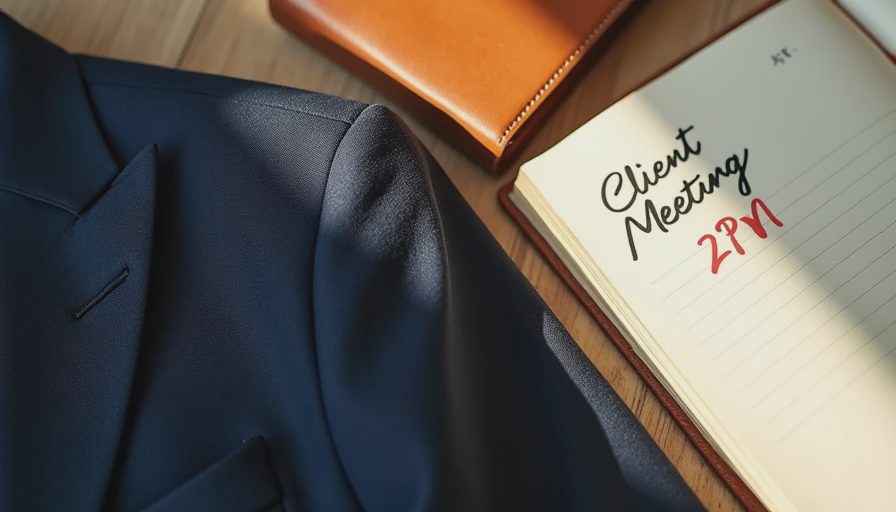
Six months after that lobby moment, I walked into a particularly tough client meeting wearing an outfit that finally felt like me — a structured blazer that skimmed my shoulders perfectly, pants that broke at the right spot, and shoes that didn’t make me want to die by 3 PM. The client, a no-nonsense business owner, actually said, “You seem like someone who has their act together.”
That was the moment I realized: my clothes had stopped apologizing. They were finally introducing me properly.
What This Means for You
You don’t need to become a fashion person. You just need clothes that stop undermining the competent, capable woman you already are. Whether you’re heading into a boardroom, client lunch, or school drop-off after a morning meeting, your outfit should work with you, not against you.
Start with one piece. One blazer that actually fits your shoulders. One pair of pants that survives the sitting test. Build from there. Your future self — and your clients, colleagues, and even your kids — will thank you.
Good clothes, no drama. That’s where real confidence begins.