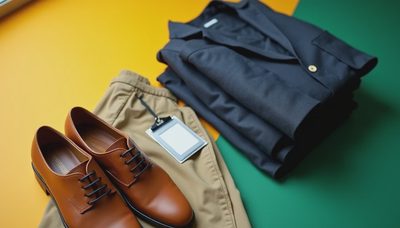
Tuesday, 8:10 a.m., and you are standing in front of the closet with one shoe on, wondering whether the navy blazer looks confident or simply too serious. I have been there, both as the woman getting dressed and as the branch manager meeting candidates across a desk. The right interview outfit does not need to announce itself. It needs to let you walk into the room, sit comfortably, and answer questions without tugging at a sleeve every three minutes.
Good clothes, no drama. That is the standard. Your clothes should support the conversation, not become the conversation. Here is how I would build an interview outfit for a corporate office, a client-facing role, or a more relaxed workplace.
Start with the workplace, not the trend cycle
An interview outfit should match the level of formality you are likely to encounter after you get the job. Look at the company website, LinkedIn photos, and employee posts for clues. A bank, law office, financial firm, or established healthcare organization usually calls for polished business clothing. A marketing studio, nonprofit, or tech company may welcome a softer interpretation, such as tailored trousers with a fine-gauge sweater.
When in doubt, go one step more polished than the everyday dress code. That does not mean wearing a suit if nobody owns one. It can mean adding a blazer to a simple dress, choosing loafers instead of sneakers, or wearing a pressed button-down instead of a casual knit top. An interview outfit should show that you understand the setting without pretending to be someone you are not.
Avoid dressing for an imaginary version of the company. If the office is casual but the role involves clients, your clothes should reflect the client-facing part of the job. If the position is hands-on, prioritize clean, practical pieces and shoes you can walk in.
The reliable foundation: one structured piece
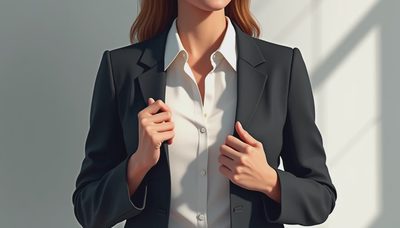
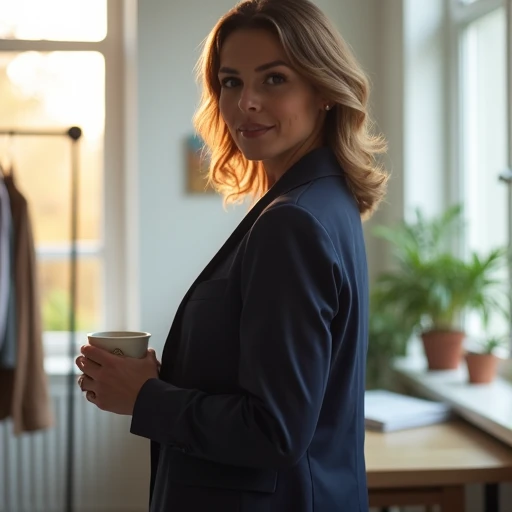
The easiest way to make an interview outfit look intentional is to begin with one structured item. A blazer, tailored cardigan, collarless jacket, or crisp overshirt gives the rest of the clothing some direction. My navy ponte blazer has traveled to interviews, budget meetings, school conferences, and more than one emergency dinner. It works because it holds its shape while still letting me sit comfortably.
Pair that jacket with straight-leg trousers, ankle-length pants, or a knee-length to midi dress. Black, navy, charcoal, camel, and soft gray are dependable choices because they do not compete with your face or your answers. A subtle pattern is fine, but make sure you have seen it in daylight and under office lighting. Some prints look quiet at home and surprisingly loud under fluorescent lights.
For a less formal office, try a knit jacket with dark trousers and a silk-look shell. For a traditional office, use a matching suit if you have one, or combine a jacket and trousers in related colors. They do not need to be an exact set to look professional. The goal is a clean frame around you, not a costume.
Comfort is part of looking polished
The best interview outfit is one you can wear for several hours without adjusting. Before the interview, sit in the chair you will use at home. Cross your legs, reach for a glass of water, stand up, and walk across the room. If the hem rides up, the neckline shifts, or the waistband pinches when you sit, solve that problem before the morning arrives.
Shoes deserve their own rehearsal. A two-inch block heel, polished loafer, low pump, or neat flat can all work. Wear them around the house for twenty minutes, especially if the interview includes a tour. A $70 pair of comfortable shoes that you wear twice a week will serve you better than a $180 pair that leaves you limping to the parking lot.
The same goes for fabric. Ponte, wool blends, cotton poplin, and washable crepe are practical choices. Linen can look beautiful but wrinkles quickly during a car ride. Thin jersey may cling or show every crease after you sit. Choose materials that will still look composed after coffee, commuting, and a waiting-room delay.
Color, accessories, and grooming without overthinking
Color can help an interview outfit feel personal without making it distracting. Navy communicates steadiness, burgundy adds warmth, and forest green gives a neutral outfit some life. A cream blouse under a charcoal jacket is softer than stark white and photographs well for a video interview. If color makes you happy, wear it in one place: a blouse, a scarf, a handbag, or small earrings.
Keep accessories quiet enough that they do not create sound. I once watched a candidate apologize for her bracelet every time she moved her hands. She was smart and prepared, but the noise became a hurdle she did not need. Choose one or two finished details instead: small hoops, a simple watch, or a structured tote that holds a folder without collapsing.
Grooming means looking prepared, not changing your appearance. Clean shoes, neat nails, fresh hair, and clothing without pet hair or visible lint do more than expensive labels. Pack a stain-removal pen, tissues, and a spare pair of tights if you wear them. These are small precautions, but they protect your attention.
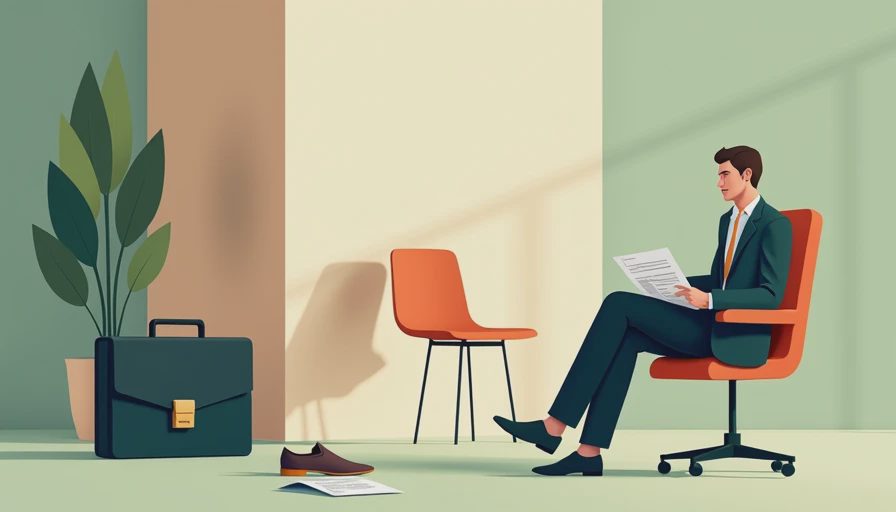
What to wear for virtual interviews
A virtual interview outfit still deserves a complete plan. Wear the full outfit, not just the part visible on camera. Knowing you are fully dressed changes how you sit and move, and it prevents an awkward scramble if you need to stand up.
Choose a top that contrasts gently with your background. A white blouse against a pale wall can disappear, while a deep navy top may look too dark on a dim webcam. Test the neckline, pattern, and lighting in advance. Tiny stripes can flicker on some cameras, and a high-shine fabric can reflect a desk lamp.
The camera should sit near eye level. Place it on books if necessary, and check that your face is evenly lit. The clothes are only one part of the presentation, but a polished interview outfit helps you feel ready before the first question arrives.
Three easy outfit formulas
For a formal office, wear a navy or charcoal jacket with matching or related trousers, a simple blouse, and loafers or low pumps. This is a strong choice for banking, law, consulting, and executive assistant roles. Keep the jewelry minimal and bring a structured tote.
For a business-casual office, combine a knit blazer with ankle trousers and a refined shell. Add a belt if the trousers have belt loops and choose loafers, flats, or a low block heel. This interview outfit feels professional without looking stiff, which is useful for many administrative, education, healthcare, and communications roles.
For a creative or relaxed workplace, try dark straight-leg jeans only when the company clearly dresses that way. Add a collarless jacket, polished sweater, and clean leather shoes. If denim still feels risky, substitute chinos or trousers. An interview outfit can show personality through color and texture while maintaining a clear level of care.
The night-before check
Hang the complete outfit together, including undergarments, shoes, bag, and coat. Check the weather and your travel route. Steam the clothing, charge your phone, print your resume if needed, and place a pen in your bag. Try the outfit once while sitting down. That last step catches more problems than a mirror does.
Most importantly, do not buy an entirely new wardrobe for one interview. Start with pieces you already trust, then add one useful item if there is a gap. A blazer worn twice a month for three years is a better purchase than a dramatic suit that never leaves the closet. The best interview outfit gives you room to be thoughtful, warm, and clear.
Your actionable takeaway: put on your chosen outfit tonight and sit in it for ten minutes. If you stop thinking about the clothes, you have found the right answer.