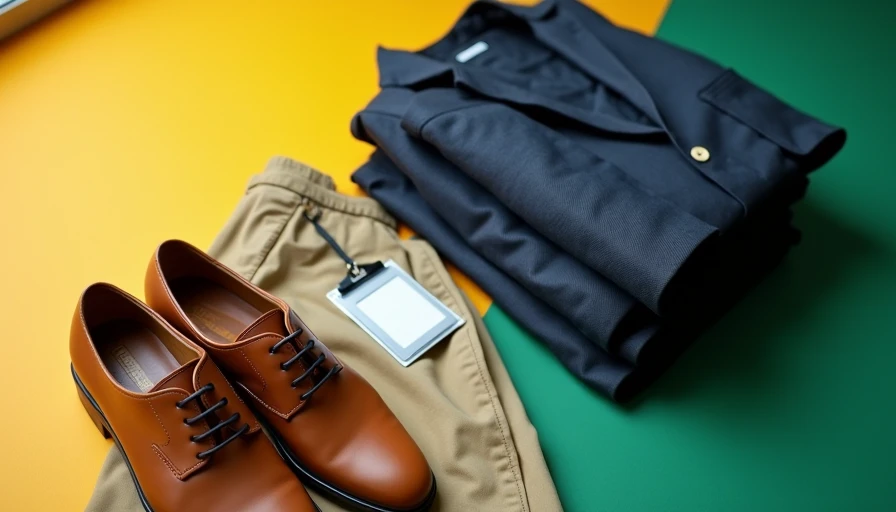

Tuesday, 9:45 a.m., and I was walking into a client meeting in Nashville with a coffee in one hand and shoes that pinched both feet. I had chosen them because they looked professional, but I spent the entire conversation thinking about getting back to my desk. That was when I started taking business casual sneakers seriously. The right pair can handle a commute, a conference room, and the walk to an afternoon coffee without making your outfit look like you got dressed for the gym.
The goal is not to make every work outfit casual. It is to give your wardrobe a comfortable foundation that still looks intentional. Good clothes, no drama. That means clean lines, simple colors, and enough structure to sit beside trousers, a blazer, or a neat knit dress.
What makes a sneaker office appropriate
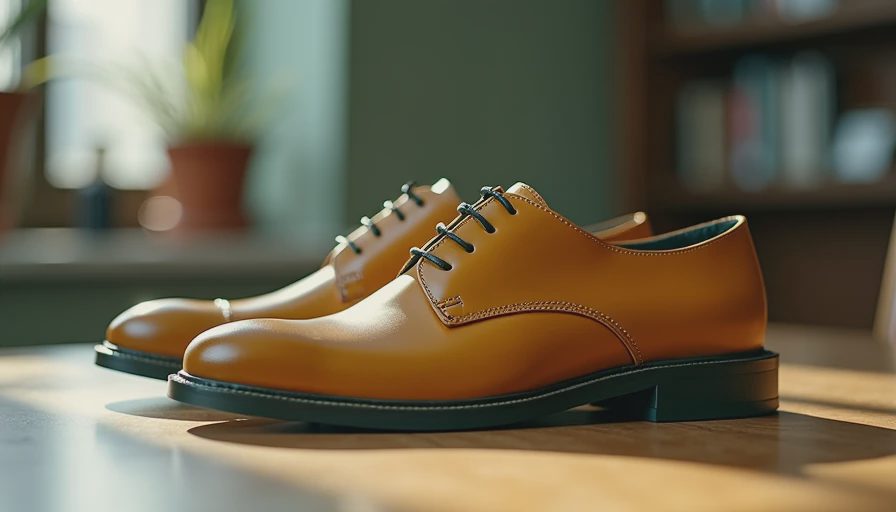
Business casual sneakers work best when they look closer to a refined leather shoe than a running shoe. Start with the sole. A slim, low-profile sole usually looks more polished than a thick foam platform designed for training. The upper should be clean, with minimal mesh, bright logos, or contrast panels. Laces are fine, but an uncluttered design makes the shoe easier to wear with professional clothes.
Color does a lot of the work. White, cream, black, gray, navy, and soft taupe are dependable choices because they connect easily with the rest of a work wardrobe. White sneakers can look sharp with navy trousers and a camel jacket, while black sneakers make charcoal pants and a patterned blouse feel more grounded. If you want color, try a muted green, burgundy, or dark blue rather than a neon accent.
Material matters, too. Smooth leather or a well-finished vegan leather generally reads more polished than athletic knit. Suede can be beautiful, although it needs more care during wet Nashville winters. A pair that looks neat after a quick wipe is much more useful than a delicate pair you save for special days.
How to style business casual sneakers with real work clothes
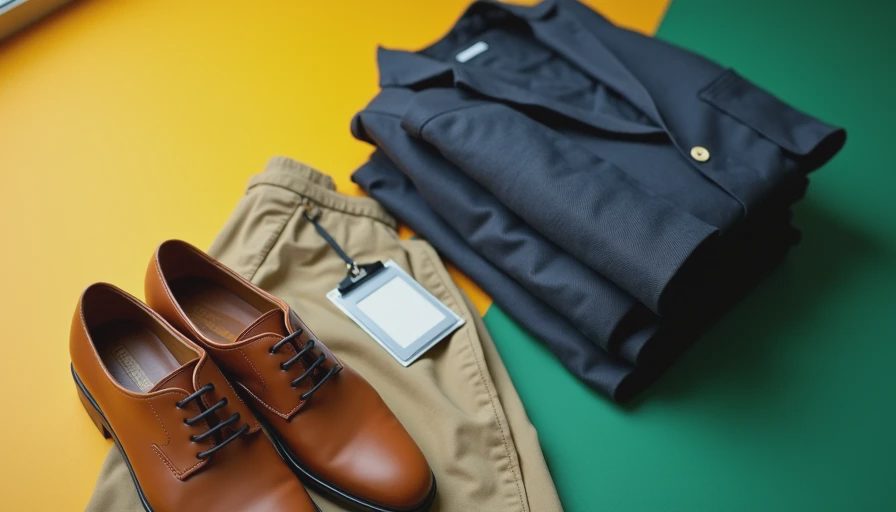
The easiest starting point is a simple trouser outfit. Try ankle-length black trousers, a tucked-in ivory sweater, and a structured blazer with white or cream business casual sneakers. The short gap between the hem and shoe keeps the outfit from looking heavy, while the blazer supplies the authority the sneaker does not need to provide on its own.
Wide-leg trousers also work, but check the hem before leaving the house. The fabric should skim near the top of the shoe rather than drag across the floor. When I test an outfit, I sit in a client chair and look at the trouser break. If the pants bunch around the ankle or hide the entire shoe, a small hem adjustment can make the whole combination look more considered.
Dresses are another practical option. A knit midi dress with a denim jacket feels relaxed, while the same dress with a tailored blazer and streamlined business casual sneakers can handle a casual office meeting. Add a simple leather tote and small earrings so the outfit has a finished point of view. You do not need a stack of accessories; you need one or two details that show the sneakers were chosen on purpose.
For denim days, choose dark straight-leg jeans without heavy fading, then add a button-down shirt and a jacket. This is where business casual sneakers are especially useful because they keep the outfit comfortable without making it look like weekend clothing. The difference is the surrounding pieces: a pressed shirt, a belt that coordinates with the shoes, and a jacket with enough shape to hold the outfit together.
The pairs worth considering
A simple white leather sneaker is the most versatile first purchase. Look at models from brands such as Cole Haan, Vionic, Ecco, Adidas, or Veja, but judge the actual shoe rather than the label. Some versions are very sporty, while others have a quieter profile that works better with office clothes. Expect to spend roughly $70 to $180 for a pair that feels supportive and holds its shape.
Black leather sneakers are useful when your wardrobe leans toward charcoal, navy, or black. They are also forgiving on rainy commuting days and pair well with a long cardigan or a column of dark clothing. A gray suede sneaker gives a softer look with olive, cream, and denim, but it is not the best choice if your schedule regularly includes wet sidewalks or outdoor events.
Comfort should be tested in more than a quick store walk. Wear the shoes at home for 20 minutes, walk up and down stairs, and check whether your heel slips. Look for cushioning under the heel and enough room for your toes to move. A shoe can be attractive and still be wrong for a nine-hour day. Your future self will care more about that than the color of the stitching.
Common mistakes that make sneakers look too casual
The first is pairing an extremely athletic sneaker with delicate office clothing. A bright running shoe beside a silk blouse and slim trousers creates a visual argument. That combination can work in a creative workplace, but it is not the easiest formula for a conservative office. A cleaner sneaker keeps the transition between casual and professional more natural.
The second mistake is ignoring condition. Scuffed soles, loose laces, and gray marks on white leather can change the impression of an otherwise excellent outfit. Keep a small cleaning cloth near your entryway. Wipe leather after wearing it in bad weather, and replace worn laces when they start looking tired. Five minutes of care can extend the useful life of a $120 pair by months.
Proportion is the third issue. This simply means asking whether the shoe matches the amount of fabric in your outfit. A bulky sneaker can balance wide-leg pants, but it may overwhelm a narrow ankle trouser. A slim shoe can disappear under a long, flowing skirt. Stand in a full-length mirror, then take a quick phone photo from a few steps away. The photo often shows what the mirror does not.
Building a small work rotation
You do not need six pairs of business casual sneakers. Start with one white or cream pair and wear it with at least five outfits before buying another. If it works with navy pants, black pants, jeans, a knit dress, and a skirt, you have found a useful wardrobe tool rather than an impulse purchase.
A second pair can fill a clear gap. Choose black if you often wear dark neutrals, or gray if your closet includes softer colors. Keep one pair at work if your commute involves rain or public transportation. I also keep foldable flats in my tote for days when a client event calls for a more traditional shoe; comfort does not have to mean one option for every situation.
Think about cost per wear. A $120 pair worn twice a week for six months costs less per outing than a $45 pair that pinches and stays in the closet. I keep that calculation in my phone because it cuts through the excitement of a sale. The best purchase is the one that repeatedly solves a real morning problem.
A simple test before you buy
Before purchasing business casual sneakers, place the shoe beside your work trousers and take a picture. Ask whether the color connects with at least three outfits you already own. Then walk for several minutes, sit down, and bend your feet as you would while driving or climbing office stairs. Check the sole, heel, toe room, and flexibility rather than focusing only on the first impression.
Finally, look at your calendar. If tomorrow includes a presentation to senior leadership, choose a blazer, pressed pants, and the cleanest pair in your rotation. If it is an internal workday, sneakers with dark jeans and a polished sweater may be exactly right. Dress codes are conversations, not riddles. Read the room, choose the level of structure you need, and let comfort support the work instead of distracting from it.
My actionable takeaway is simple: choose one streamlined pair, style it first with trousers and a blazer, and wear it through a normal workday before deciding whether your wardrobe needs anything else.