

If you have searched “what is business casual woman,” you are probably standing in front of your closet with a meeting on the calendar and no interest in guessing wrong. I know that feeling. During my 14 years at Wells Fargo, I dressed for client lobbies, branch meetings, performance reviews, and surprise visits from regional leaders. Business casual was never one magical outfit. It was a reliable range: polished enough to show respect, comfortable enough to work, and relaxed enough to avoid looking like you were headed to court.
The simplest answer to what is business casual woman is this: professional separates worn without the full formality of a suit. Think tailored pants with a knit top, a midi skirt with a refined sweater, or a dress with a blazer. The details depend on your workplace, industry, and calendar, but the goal stays steady. Your clothes should support the room, not become the topic of conversation.
The building blocks of business casual
Start with a small group of pieces that can handle several kinds of workdays. Straight-leg trousers, ankle pants, dark non-distressed jeans where they are accepted, and a knee- or midi-length skirt give you practical bottoms. A jacket, cardigan, fine-gauge sweater, button-front shirt, or simple shell can finish the outfit. These do not need to be expensive. A $70 pair of pants that you wear twice a week can become a better purchase than a $220 statement item that stays on a hanger.
When someone asks what is business casual woman, I usually describe the feeling before the shopping list. The clothes should fit comfortably when you sit, reach for a file, or carry coffee into a conference room. A blazer should close without pulling, sleeves should not cover your hands, and trousers should not need constant adjustment. Fit is not about changing your body; it is about choosing clothes that let you do your job without thinking about them.
Color can keep a small wardrobe from feeling repetitive. Navy, charcoal, tan, cream, black, olive, and soft blue work together easily. Add one color you enjoy, such as burgundy or teal, through a blouse, scarf, or shoe. This creates variety without requiring a new outfit every morning.

Outfit formulas that work in actual offices
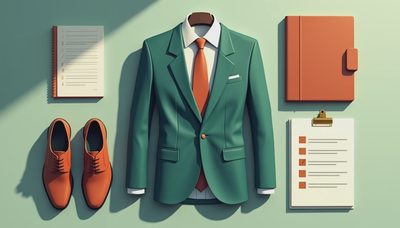
A dependable formula is tailored pants, a tucked or untucked blouse, and a third layer. That layer might be a cropped jacket, cardigan, or unstructured blazer. The third piece gives the outfit a finished look, especially when you are moving between your desk and a client meeting. For example, navy pants, a white knit top, and a camel cardigan can work on a regular Wednesday. Add loafers and a structured tote, and the same outfit is ready for a more visible appointment.
Another useful formula is a simple dress with a jacket or cardigan. Choose a dress that is easy to sit in and does not require special undergarments or constant straightening. A solid ponte dress, shirt dress, or modest wrap style can be practical. If your office is casual, wear it with clean leather sneakers or loafers. If you have a presentation, switch to flats or low heels and add a jacket.
For casual Friday, dark jeans can work in some offices, but the rest of the outfit should carry the polish. Pair them with a crisp shirt, a fine sweater, and loafers rather than a graphic tee and athletic shoes. If your workplace has clients, legal requirements, or a conservative leadership culture, trousers are the safer choice. Business casual is a setting, not a universal permission slip.
Shoes, bags, and the details people notice
Shoes do not need to be high heels to look professional. Loafers, ballet flats, low block heels, polished ankle boots, and clean leather sneakers can all fit business casual when the workplace allows them. The practical test is simple: can you walk from your car to the office, stand during a meeting, and use the stairs without your shoes distracting you? A $90 pair of supportive loafers worn three times a week can earn its place quickly.
Bags should hold what you actually carry without collapsing into a heap. A medium tote or structured shoulder bag usually works better than a tiny evening-style purse or an oversized canvas carryall. Keep jewelry quiet enough that it does not click against a desk or flash under fluorescent lights. Small hoops, a watch, or one pendant can finish an outfit without making it feel styled within an inch of its life.
Grooming is part of the picture, but it does not require a complicated routine. Clean shoes, pressed clothing, tidy hair, and a coat appropriate for the season do more than a closet full of trend pieces. This is one reason what is business casual woman is less confusing when you think in terms of readiness rather than fashion. You are preparing to be seen, move comfortably, and handle the day.

What to wear for common work situations
For a normal office day, try ankle pants, a knit top, and loafers. For a presentation, use a blazer, darker trousers, and a low heel or refined flat. For a team lunch, a midi skirt with a tucked sweater gives you polish without looking formal. For a travel day, choose stretch trousers, a breathable top, a cardigan, and shoes that are easy to walk in. These combinations are useful because they solve real transitions instead of creating outfits that only work while standing in front of a mirror.
If you are starting a new job, dress one step more polished during the first week. Notice what managers and client-facing coworkers wear, then adjust. Some offices call dark jeans business casual; others consider them too relaxed. Some workplaces welcome sleeveless blouses in summer, while others expect covered shoulders. Asking a trusted coworker, “What does everyone wear on a regular office day?” is more useful than trying to decode a vague handbook.
A simple closet plan
You can build a workable rotation with two pairs of trousers, one skirt or dress, three tops, one cardigan, one blazer, and two pairs of shoes. That gives you enough combinations for a week without buying ten separate outfits. Add a second jacket and another bottom when your schedule or laundry routine requires it. I keep a cost-per-wear note on my phone for anything over $50. A $120 blazer worn 60 times costs $2 per wear; that is a better measure than whether it looked exciting on the rack.
Before buying, sit down in the piece, walk several steps, raise your arms, and check it under ordinary lighting. Try it with at least three things you already own. If it only works with one specific blouse or shoe, it is probably not solving a wardrobe problem. If it works with your existing pants, dress, and skirt, it has a better chance of becoming a repeat favorite.
So, what is business casual woman in everyday terms? It is a flexible professional wardrobe built around comfort, context, and enough polish for the room. You do not need a designer label, a large closet, or a new trend each season. Start with one reliable outfit for your next workday, then repeat what feels easy. Good clothes, no drama.