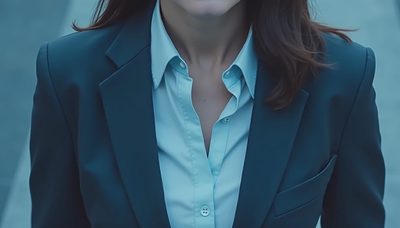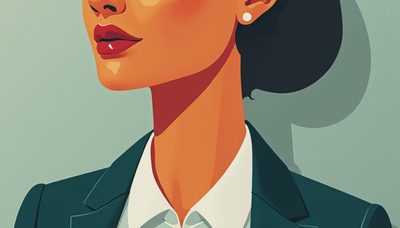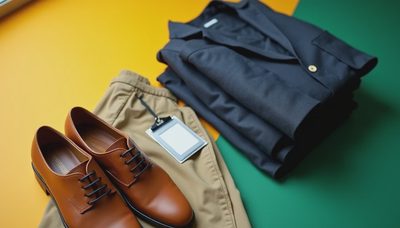
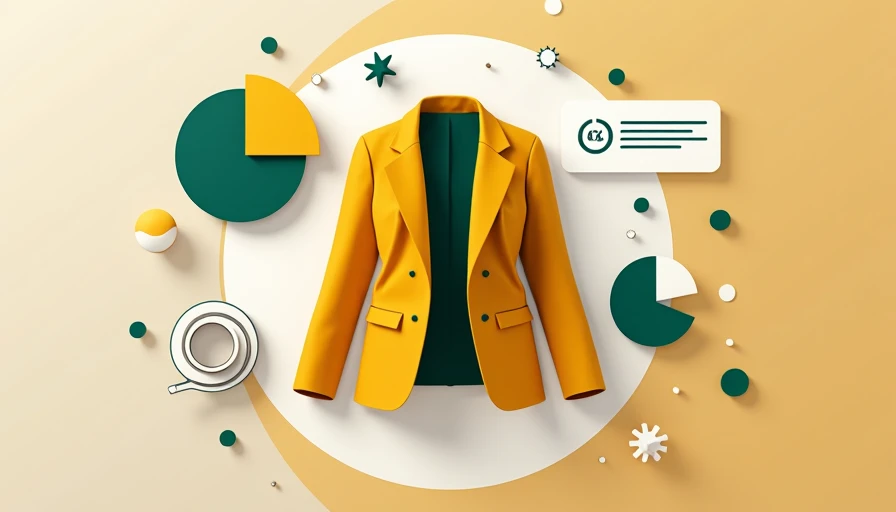
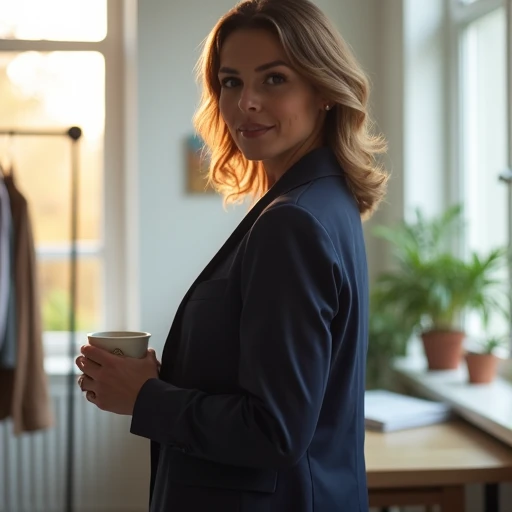
Tuesday morning, 8:10, and you are standing in front of your closet with a resume in one hand and three rejected jackets on the bed. I have been there, both as the woman getting dressed and as the branch manager watching candidates walk into a client lobby. A good ladies interview outfit does not need to look expensive or trendy. It needs to fit comfortably, suit the workplace, and let the interviewer remember what you said instead of what you kept adjusting.
The simplest approach is to build around one reliable base: a tailored jacket, a calm-colored top, polished pants or a knee-length skirt, and shoes you can walk in. That formula works for a bank, a hospital office, a law firm, a school administration building, and most corporate interviews. From there, you can make the outfit warmer, more creative, or more formal without starting over.
Start With the Workplace, Not the Trend Cycle
Your first clue is the environment. Look at the company website, LinkedIn photos, and the job description. A ladies interview outfit for a financial services role will usually be more conservative than one for a design studio. That does not mean one workplace is better dressed; it means the room has a different visual language.
For a traditional office, try navy or charcoal trousers, a cream or pale blue blouse, and a structured blazer. For a business-casual office, replace the matching jacket with a neat cardigan or an unstructured blazer. For a creative role, you can use a richer color, a simple print, or a distinctive but quiet accessory. The goal is to show that you understand the setting while still looking like yourself.
Do not rely on a company’s casual Friday photos. Interview attire should be one step more polished than the daily uniform. If employees wear jeans most days, dark trousers and a jacket will feel appropriate without looking stiff.
The Four-Piece Formula That Rarely Fails
When I needed a dependable ladies interview outfit during my Wells Fargo years, I used four pieces: jacket, top, bottom, and practical shoes. Each piece had a job. The jacket created a finished outline. The top added softness and color near the face. The bottom made sitting and walking easy. The shoes kept me from thinking about my feet during a two-hour interview day.
A navy blazer is usually the most useful first purchase because it works with gray, black, tan, and denim after you get the job. A single-breasted style with two buttons is easy to sit in and does not demand much styling. Look for sleeves that end near the wrist bone and a hem that does not bunch when you sit in a conference chair.
For the top, choose a fabric that stays in place. A knit shell, matte blouse, or fine-gauge sweater is often easier than a slippery satin shirt. Avoid anything that requires constant tucking, pinning, or smoothing. Your hands should be available for a handshake and your notes, not your neckline.
Fit Is a Practical Problem, Not a Body Problem
Fit means the clothing cooperates with your day. It does not mean your body needs to be corrected. A jacket is doing its job when you can reach for a folder, cross your arms, and sit without pulling at the buttons. Pants work when the waistband stays comfortable through a commute and the hem does not drag under your shoes.
Try on the full ladies interview outfit at least a week ahead. Sit for ten minutes. Walk up stairs. Put your phone, keys, and wallet in the bag you plan to carry. If a blouse gap appears, use a small snap or choose a camisole. If the jacket feels tight only when you drive, test it in the car before interview morning.
A tailor can make a modestly priced jacket look considerably better. Sleeve shortening often costs about $20 to $40, while trouser hemming is commonly in the $15 to $30 range, depending on the area and construction. Those small changes can turn an almost-right outfit into one you reach for repeatedly.
Color, Accessories, and Grooming
Color should support your face and the conversation. Navy, charcoal, soft gray, cream, and muted blue are dependable because they look composed under office lighting. Burgundy, forest green, or a warm camel accent can add personality without becoming the main subject. If you choose a print, keep it small enough that it does not vibrate on a video call.
Accessories should be quiet and useful. Small hoops, simple studs, a watch, or one slim necklace are enough. A structured tote or medium-size work bag looks intentional and gives you room for a folder. Keep the contents organized so you are not digging through receipts while the receptionist watches.
Grooming is part of the practical plan. Check that your nails, hair, and shoes look cared for, but do not turn the morning into a production. Clean leather flats, loafers, low block heels, or polished ankle boots can all work. The right shoe is the one that lets you walk from the parking lot without changing your expression.
What to Wear for Different Interview Formats
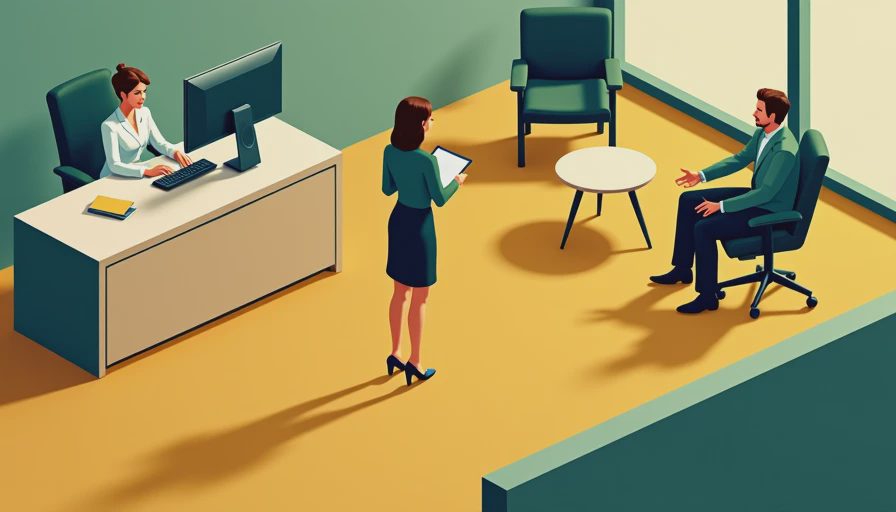
For an in-person corporate interview, a ladies interview outfit with a blazer is the safest starting point. You can remove the jacket after arriving if the room is noticeably relaxed. For a video interview, avoid tiny stripes and overly bright white tops, which can look harsh on some webcams. A solid jewel tone or soft neutral usually reads clearly, and the top half deserves the same attention as a full outfit.
For a panel interview, wear something that feels familiar rather than experimental. You may be answering questions from three people in three different roles, so comfort matters. For a second interview or a lunch meeting, keep the same polish but soften the formula with a knit jacket, refined flats, or a less formal blouse. You are showing consistency, not repeating the exact same clothing.
If the job involves a uniform, fieldwork, or frequent movement, demonstrate that you understand practicality. Clean trousers, a tucked shirt, and supportive shoes may communicate more awareness than a formal suit. Dress for the responsibilities you are likely to perform, not an imaginary boardroom.
A Seven-Minute Check Before You Leave
The night before, hang the ladies interview outfit together with undergarments, shoes, and jewelry. Steam or iron every piece, then check the jacket pockets for old receipts. Try the bag with your resume, identification, phone charger, and a pen. Set aside a backup top if weather or a coffee spill could create trouble.
In the morning, look in a full-length mirror while standing and sitting. Ask three questions: Can I move comfortably? Does anything need constant attention? Would I wear these pieces again at work? If the answer is yes to all three, stop shopping and get on with your preparation.
My cost-per-wear rule helps here. A $90 blazer worn once is expensive. The same blazer worn twice a month for two years becomes a dependable work tool. Choose pieces that can handle interviews, presentations, client meetings, and ordinary Tuesdays.
A ladies interview outfit should remove decisions, not create them. Build one dependable combination, test it in real movement, and let your preparation carry the rest. Good clothes, no drama. Your one actionable step: put on the complete outfit tonight, sit in it for ten minutes, and fix the one detail you keep noticing before interview morning.