

Tuesday, 9:45 a.m., client lobby. I was halfway through introducing myself when I realized my blazer sleeve had ridden up, my shoes were pinching, and I had spent the entire drive worrying about my outfit. That is not the feeling we are after. Female business casual should help you move through a workday without adjusting, tugging, or wondering whether you look professional enough.
After 14 years in bank branches and conference rooms, I learned that the best work wardrobe is not the most expensive one. It is a small group of reliable pieces that cooperate with your schedule. A jacket that works with jeans on Friday and trousers on Monday is useful. A dress that survives a commute, a lunch meeting, and a chilly office is useful. Good clothes, no drama.
What female business casual actually means
Business casual is not one universal uniform. A law office, a technology company, a school administration building, and a creative agency can all mean something different by it. Start by observing what trusted coworkers wear on ordinary days, not just what appears for an important presentation.
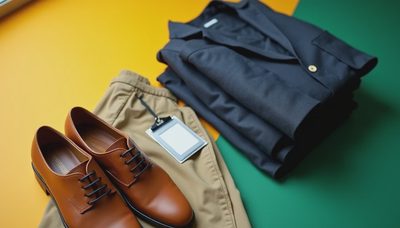
In most offices, a practical foundation includes tailored trousers, a simple blouse or knit top, a cardigan or blazer, and polished shoes. Dark, clean denim can work in more relaxed workplaces, especially with a structured jacket and intentional accessories. A T-shirt may also fit the dress code when it is opaque, in good condition, and paired with dressier layers.
The test is context. If you are meeting a new client, choose one step more polished than the office baseline. If you are working from your desk with no outside meetings, a fine-gauge sweater and ankle pants may be exactly right. The goal is to look prepared, not dressed for a costume version of corporate life.
Build outfits around three dependable layers
The easiest way to make female business casual feel less complicated is to think in layers. Begin with a base, add a work-appropriate middle piece, and finish with a layer that gives the outfit structure.
A base might be a sleeveless shell, a short-sleeved knit, or a button-front shirt. Choose colors that cooperate: ivory, navy, black, soft blue, burgundy, and gray are easy to combine. The middle piece could be straight-leg trousers, a midi skirt, or a dark pair of jeans if your workplace allows them. The final layer is usually a blazer, cardigan, or lightweight jacket.
This method helps when Nashville weather changes three times before lunch or your office keeps the air conditioning at refrigerator settings. You can remove a cardigan for a presentation, add a jacket for a client visit, and still look like the same person in every room.
Think about sitting down before you buy anything. A blazer should remain comfortable when your arms reach across a table. A skirt should let you cross your legs without constant monitoring. Trousers should stay in place when you stand to greet someone. Those details matter more than a trendy cut that looks impressive only in a fitting-room mirror.

The pieces that earn their closet space
I keep a cost-per-wear note on my phone for pieces over $50. A $140 blazer worn 70 times costs $2 per wear. That is a better purchase than a $45 jacket worn once because it wrinkles, pulls, or never works with the rest of the closet.
For female business casual, start with one navy or charcoal blazer, two pairs of comfortable trousers, one dark denim option if appropriate, and three tops that can be tucked or worn loose. Add a simple dress, a cardigan, and two pairs of shoes. This is enough to create several combinations before you buy anything else.
Look for fabric that behaves during a full day. A washable blend can be more practical than delicate dry-clean-only material. Stretch in trousers is helpful when you commute or spend hours in meetings, but excessive stretch can make pants lose their shape. Check the care label and consider whether you will realistically follow it on a busy Wednesday.
Shoes deserve an honest trial. Walk across the store, stand for ten minutes, and imagine taking stairs in them. Loafers, low block heels, clean leather sneakers in a casual office, and simple flats can all support a polished outfit. A shoe is not successful if it looks wonderful but makes you dread the afternoon.
A simple color plan for easier mornings
Color does not need to be complicated. Pick two dark neutrals and two lighter or accent colors that you already enjoy wearing. Navy and brown can feel softer than an all-black wardrobe. Black and gray make quick matching easy. Olive, rust, cobalt, or burgundy can add interest without making every outfit depend on a print.
When female business casual feels too plain, use one point of interest rather than adding everything at once. Try a patterned blouse under a solid blazer, a colored shoe with neutral trousers, or a small scarf at the neckline. One deliberate detail usually looks more polished than several unrelated accessories.
Jewelry can follow the same rule. Small hoops, a watch, or a simple pendant are enough for many workplaces. If you wear statement earrings, let them be the main event and keep the rest quiet. Your outfit should support the conversation, not compete with it.

Common workday problems and practical fixes
If your top gaps at the buttons when you sit, try a shell or a button style with a hidden placket instead of spending the day checking it. If your trousers wrinkle badly at your desk, choose a fabric with a little structure and hang them overnight. If your cardigan looks too casual, wear it over a collared shirt or add a belt and structured bag.
A dress can solve the morning decision, but it needs the right support. Keep a blazer nearby for formal meetings and a cardigan for temperature changes. Simple pumps are not required; loafers or low heels can look equally professional and are often easier to wear from parking lot to conference room.
For female business casual on travel days, choose pieces that do not require perfect pressing. A knit blazer, dark trousers, a washable shell, and slip-on loafers can cover a flight, a lunch meeting, and an evening work event. Pack one accessory that changes the look, such as a belt or necklace, rather than a second complete outfit.
Your five-minute outfit check
Before leaving, look at the outfit while standing, sitting, and walking. Confirm that the neckline stays put, the jacket closes comfortably, and the hem works with your shoes. Check for visible tags, loose threads, pet hair, and pockets that are pulling. Then ask one useful question: would I be comfortable wearing this through a difficult meeting?
If the answer is no, change one piece instead of rebuilding everything. Swap the shoes, add a jacket, or replace a fussy top with a dependable knit. That small adjustment is usually enough. Female business casual is not about proving that you own the right clothes. It is about removing distractions so you can do your job.
My actionable takeaway is simple: choose tomorrow's outfit tonight using one structured layer, one comfortable shoe, and colors that already work together. Give that combination a full workday, then record what you adjusted. Your wardrobe will improve faster from those real notes than from another hour of scrolling.