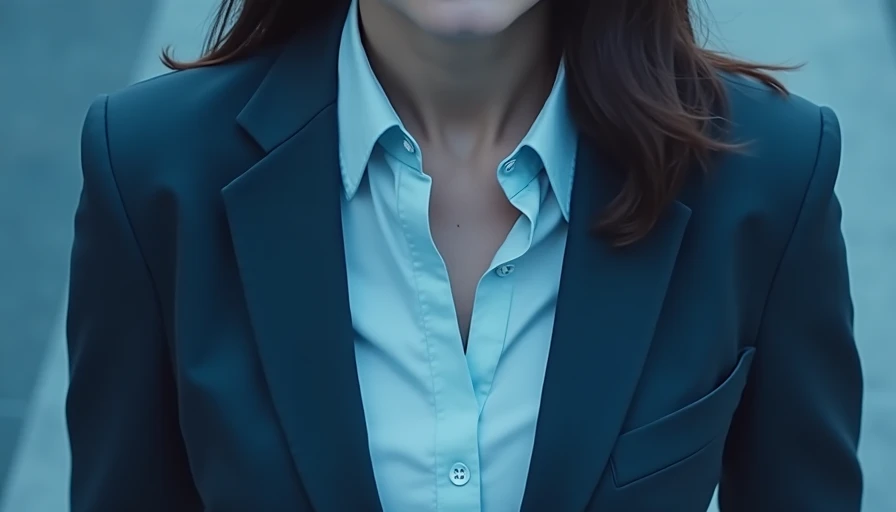
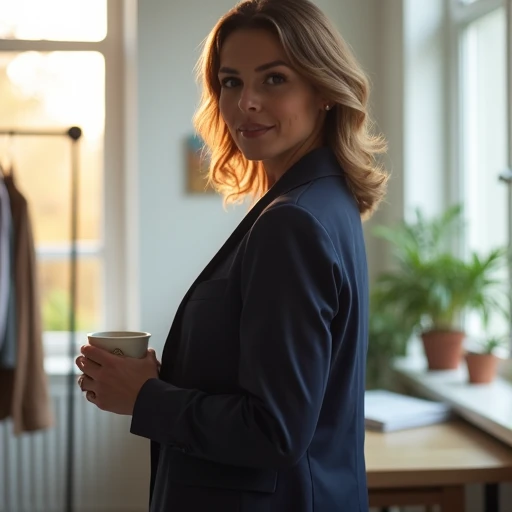
Tuesday, 8:10 a.m., and you are sitting in the car outside an office building trying not to spill coffee on your only blazer. I have been there, although my version happened before a branch leadership interview with a portfolio of notes sliding around my lap. The right women's interview dress does not need to be expensive or especially fashionable. It needs to help you feel composed enough to answer the first question without wondering whether your neckline, hem, or shoes are distracting you.
After 14 years in client-facing banking, I learned that interview clothing works best when it is quiet, intentional, and comfortable enough for the actual day. You might walk three blocks from a parking garage, wait in a lobby, shake hands, sit in a low conference chair, and meet three different people. Your outfit should handle all of that without requiring constant adjustment. Good clothes, no drama.
Start with the role, not the trend
A women's interview dress for a corporate finance position can be more structured than one for a creative studio, but both outfits should look considered. Start by researching the workplace through its website, social pages, and the language in the job description. A law office, hospital administration team, or financial services firm often leans polished and traditional. A nonprofit, design company, or technology employer may be less formal, though neatness still matters.
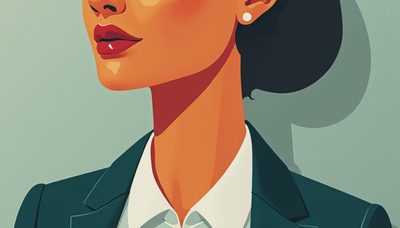
When in doubt, dress one step more polished than the everyday office standard. That usually means a blazer, trousers, or a simple dress rather than jeans and a casual cardigan. It does not mean wearing a suit if nobody in the organization wears one. A navy blazer over a fine-gauge knit and straight-leg pants can feel professional without looking like you borrowed an outfit for court.
I also suggest planning for the person you will meet, not the company logo alone. If the interview is with a senior executive, traditional tailoring is a safe choice. If it is a panel with future teammates, a clean blouse and polished pants can be exactly right. Your goal is to show that you understand the room and can move comfortably inside it.
The dependable outfit formulas
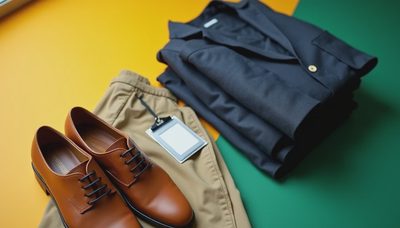
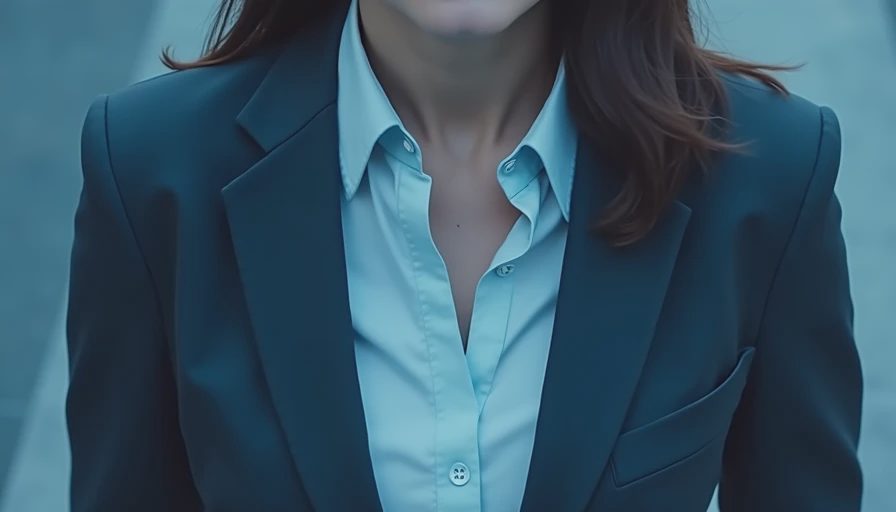
The most reliable women's interview dress usually comes from one of three formulas. First is the matching suit: a blazer and trousers in navy, charcoal, or medium gray, worn with a simple shell or knit top. This is especially useful for banking, accounting, government, law, and executive roles. Second is a blazer with a different-colored trouser, such as a navy jacket with gray pants. It feels professional but less severe. Third is a simple sheath or A-line dress with a cardigan or blazer. Choose a hem that stays in place when you sit and fabric that does not require delicate handling.
A jacket should close comfortably, even if you plan to wear it open. Check the shoulder seam, arm movement, and sleeve length. In a client chair, a jacket that pulls across the back can make you spend the whole conversation thinking about your clothing. That is not a personal failing; it is a fit problem with a practical solution.
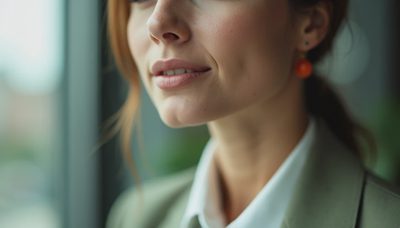
For tops, choose a neckline that stays secure when you lean forward to take notes. A silk blouse can look beautiful, but a washable crepe or smooth knit may serve you better on a long interview day. Keep patterns moderate and colors easy to coordinate. One interesting detail, such as a softly colored blouse or a small pair of earrings, is enough.
Shoes, bags, and the small details people notice
Shoes are part of the women's interview dress conversation because interviews involve more walking than people expect. A low block heel, polished loafer, or simple pointed flat can look professional and keep you steady on sidewalks and office floors. Wear them around the house first. Five minutes in a store tells you almost nothing; an hour of sitting, standing, and walking tells you much more.
Choose a structured tote or medium-size work bag that holds a folder, phone, wallet, and a small makeup item without becoming a black hole. Leave the oversized canvas bag, noisy jewelry, and visibly worn handbag at home. These are not moral rules. They simply reduce visual clutter while you are introducing yourself.
Grooming should support the outfit rather than become another task. Freshly cleaned shoes, pressed fabric, tidy nails, and hair you will not repeatedly touch are enough. Skip a new fragrance on interview day. A scent that feels subtle to you can be strong in a small conference room, especially when several people are present.
Test the outfit before the morning arrives
The best women's interview dress is one you have tested in motion. Put everything on at least one day before the appointment, including undergarments, shoes, coat, and bag. Sit at a table and type. Stand with your arms crossed. Walk up stairs. Reach for a door handle. Look at the outfit in natural light and under indoor lighting if possible.
Take a phone photo from the front and side, not to judge your body, but to check practical details. Is the blouse gaping? Does the jacket sleeve disappear under your coat? Does the skirt ride up when you sit? Is the hemline catching on your hosiery? Fix those details before interview morning, when your attention belongs on the conversation.
Pack a small emergency kit with a stain-removal pen, safety pins, tissues, and a spare pair of tights if you wear them. Keep your resume in a clean folder rather than loose in your bag. These small preparations are worth more than buying a brand-new outfit the night before. A $75 pair of trousers you can wear to future meetings is usually a better purchase than a $250 dress that feels unlike you.
When the dress code is unclear
If you cannot tell how formal the workplace is, ask the recruiter directly: “What is typical interview attire for this team?” That is a sensible professional question, not an admission that you are unprepared. You can also look at employee photos on the company website, but treat them as clues rather than a strict uniform.
For a video interview, use the same discipline even if only your shoulders appear. A women's interview dress can be a blouse and blazer above the desk, but make sure the full outfit works in case you need to stand or adjust the camera. Avoid tiny stripes that can look busy on screen, and place your camera at eye level with light in front of you.
If the interview is immediately after work, carry one upgrade piece. A blazer, polished shoes, or a better bag can change a simple office outfit quickly. There is no need to carry an entire second wardrobe in the car.
My one-morning checklist
Before leaving, confirm four things: the outfit suits the workplace, every piece fits comfortably while seated, the shoes have already been worn, and the bag contains your documents without overflowing. Then stop editing. The purpose of a women's interview dress is not to create a perfect image. It is to remove avoidable distractions so your experience, judgment, and answers get the room's attention.
My practical takeaway is simple: choose the most polished outfit you already trust, test it in a chair, and make only one improvement if something feels off. Good clothes, no drama.