

Tuesday, 9:45 a.m., and I was standing in a client lobby wishing I had worn anything except the shoes I chose that morning. They looked polished, but my toes were compressed and my heels were already rubbing. Comfortable business casual shoes are not a luxury when your day includes commuting, meetings, stairs, and standing at a reception desk. They are part of doing your job without thinking about your feet every six minutes.
After 14 years in bank branches and client-facing offices, I learned that the best pair does two things at once: it looks intentional with work clothes and disappears while you wear it. That usually means a stable sole, enough room at the toes, useful cushioning, and a shape that works with trousers, dresses, or dark jeans where the dress code allows them. Good clothes, no drama. Your shoes should follow the same rule.
What makes a work shoe comfortable
Start with fit, not decoration. Your longest toe should have roughly a thumb-width of space from the front of the shoe, and your heel should stay in place when you walk. A shoe that slips at the back often causes just as much trouble as one that feels tight across the toes. Try both shoes late in the day, when feet are commonly a little fuller, and wear the socks or hosiery you expect to use at work.
A modest heel can be comfortable if it is broad and stable. For most office days, a block heel between one and two inches gives a little lift without turning every hallway into a balancing exercise. A flat can work beautifully, too, especially when it has arch support and a flexible sole. Very thin ballet flats often look neat in a closet but offer little protection on concrete floors.
Look for leather, suede, mesh panels, or well-finished synthetic materials that do not pinch when you move. Brands such as Clarks, Naturalizer, Cole Haan, Vionic, and Ecco offer different approaches to cushioning and support. No brand guarantees a perfect fit, so use the construction as your guide rather than buying a name.

The most useful styles for a professional wardrobe
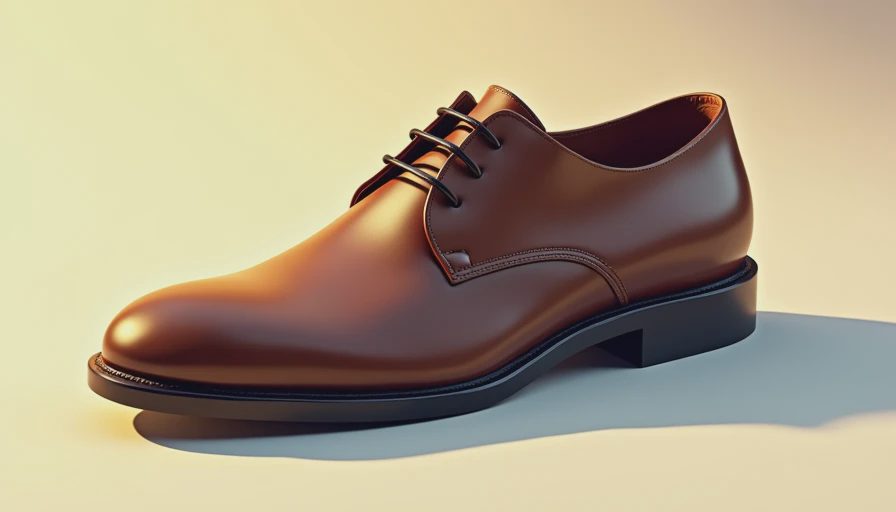
Loafers are usually the easiest starting point. A leather penny loafer or simple horsebit-inspired style works with straight-leg trousers, ankle pants, and a knit dress. It has enough structure for a client meeting but feels less formal than a pump. Look for a cushioned footbed and a sole with traction, particularly if your commute includes wet sidewalks.
A low block-heel pump remains useful for presentations, interviews, and days when you want a sharper line under a suit. Choose a rounded, almond, or softly squared toe rather than a narrow point that forces your toes together. Black is practical, but navy, burgundy, tan, and espresso can make a small wardrobe feel less repetitive without becoming distracting.
Sleek ankle boots can be comfortable business casual shoes when the shaft sits close to the ankle and the toe is not overly pointed. They pair well with cropped trousers and midi skirts during cooler months. Avoid heavy lug soles for conservative offices unless your workplace already leans casual; a slim rubber sole gives traction while keeping the overall look refined.
Ballet flats and Mary Janes are helpful for women who prefer a low profile. A strap can keep the foot secure, and a gently cushioned insole makes a major difference during a long day. The goal is not to collect every style. Two dependable pairs in different colors often serve you better than six pairs that only work with one outfit.
Match the shoe to the workday
For a desk-heavy day, you can choose a polished loafer, flat, or low heel and focus on how it looks with your seated outfits. Check the hem of your trousers while sitting. If the pants pull awkwardly over the shoe or expose more ankle than you prefer, a slightly different rise or shoe height may solve the problem.
For a day of walking between buildings, prioritize cushioning and traction. A sleek sneaker can work in creative or relaxed offices, but it should look like a deliberate part of the outfit, not a gym shoe carried into the conference room. White, black, taupe, and metallic leather are generally easier to style than bright athletic colors.
For travel, select comfortable business casual shoes you can remove easily at security and wear with more than one outfit. A loafer or pull-on ankle boot is usually more practical than a delicate pump. Pack a second pair only when the schedule truly requires a different level of formality. I would rather carry one reliable shoe and a small blister kit than overpack four pairs.
How to test a pair before committing
Wear the shoes indoors on a clean floor for at least 20 minutes. Walk, sit, climb a few stairs, and stand still. Notice pressure points instead of asking whether the shoe feels attractive. If your toes go numb, your heel lifts repeatedly, or the edge cuts into your ankle, the problem is probably the shape rather than a short break-in period.
Try the shoes with your actual work clothes. A loafer that looks balanced with wide-leg trousers might feel too substantial with a narrow ankle pant. A pump that works with a suit may look overly formal with a cardigan and denim. Photographing the outfit can help because proportions are easier to judge in a full-length image than while looking down in a mirror.
Pay attention to return policies, especially when ordering online. Keep the box, try the pair indoors, and do not assume painful shoes will become comfortable. A removable insole can solve a little lack of cushioning, but it cannot create extra width or fix a heel that is fundamentally unstable.
Build a small rotation that lasts
A practical office rotation might include a black loafer, a neutral low-heel pump, and a brown or burgundy flat. If your workplace is casual, replace the pump with a clean leather sneaker or a low ankle boot. Three pairs give each shoe time to air out between wears and reduce the pressure to wear one pair through every season.
Think in cost per wear. A $120 pair worn twice a week for a year costs less per use than a $45 pair abandoned after two painful Mondays. Before buying, name at least three outfits and two types of workday the shoes can handle. If you cannot do that, the pair is probably an impulse purchase rather than a wardrobe solution.
Care matters, too. Use shoe trees or stuff loafers lightly with paper, wipe salt and sidewalk grime from leather, and replace worn heel caps before they affect your stride. A cobbler can often add traction or repair a heel for far less than the price of a replacement pair.
My simple buying rule
When I shop for comfortable business casual shoes, I ask one question: could I wear these from the first meeting through the last errand without planning my day around them? If the answer is no, the glossy finish, clever buckle, or sale price is not enough.
Choose the pair that supports your actual schedule, fits the clothes already in your closet, and lets you walk into a room thinking about the conversation instead of your feet. Start with one dependable style, wear-test it at home, and build from there. That is the whole assignment: good clothes, no drama.