
Tuesday, 9:45 a.m., and you are walking from the parking lot into a client meeting while carrying coffee, a laptop, and yesterday's unanswered questions. The last thing you need is an outfit that requires constant adjusting. The best business casual outfits are polished enough for the conference room and comfortable enough for the rest of a normal workday. After 14 years in bank branches and client meetings, I learned that getting dressed well is less about owning more clothes and more about having a few reliable combinations.
Start with a simple definition
Business casual outfits sit between formal suiting and everyday weekend clothing. A tailored jacket with ankle pants works. So does a knit sweater with a midi skirt, or a crisp button-down with dark, straight-leg jeans when denim fits your office culture. The goal is not to look identical to everyone else. It is to appear prepared, approachable, and comfortable in your own clothes.
When I managed a branch, I used three questions before leaving home: Could I sit comfortably for an hour? Could I greet a client without tugging at anything? Could I walk across the building without thinking about my shoes? If the answer was yes, the outfit had done its job. Business casual outfits should support your day rather than become another task on your list.
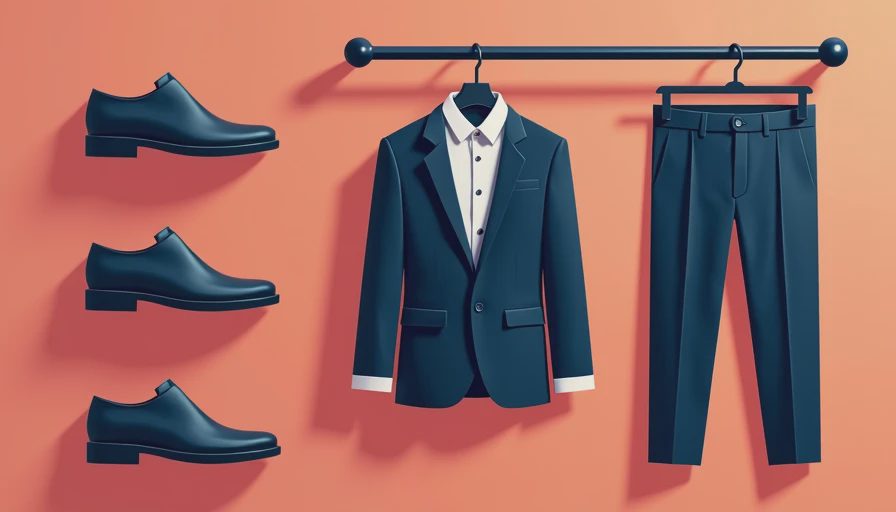
A useful starting wardrobe might include one navy or charcoal blazer, two pairs of trousers, a dark denim option, three simple tops, one skirt or dress, and comfortable loafers or low heels. Those pieces can create more combinations than a crowded closet full of clothes that only work once.

Build outfits around three dependable formulas
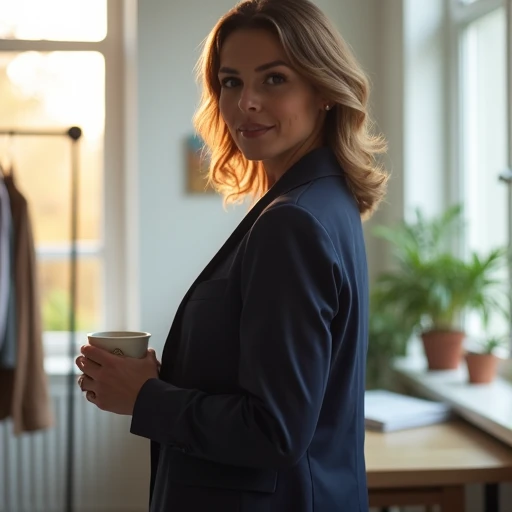
The first formula is a jacket, simple top, and tailored pants. Try a navy blazer, ivory shell, and slim ankle pants in black, gray, or camel. This combination works for interviews, presentations, and ordinary office days. A jacket gives the outfit a finished line, while the simple top keeps it from feeling too formal.
The second formula is a soft knit with a structured bottom. A fine-gauge sweater tucked into a midi skirt looks composed without feeling stiff. Choose a sweater with enough room to move your arms, especially if your day includes commuting or setting up a meeting room. Add a belt only if it feels useful; an outfit does not need extra accessories to look complete.
The third formula is a dress with practical layers. A solid-color sheath, shirt dress, or knit midi dress can carry an entire morning. Add a cardigan for a casual office, or a blazer when an unexpected client visit appears on your calendar. These business casual outfits are especially helpful on mornings when you have five minutes, not forty-five.
Choose color like a manager, not a trend chaser
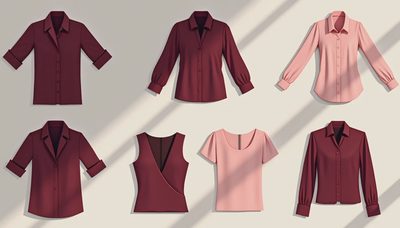
Color can make a small wardrobe feel much larger. Start with two foundation colors, such as navy and tan or black and gray. Then add two accent colors you genuinely enjoy wearing. Blue, burgundy, forest green, soft pink, and muted red can all work in professional settings when the rest of the outfit stays simple.
Think of color in groups rather than isolated pieces. A camel trouser can work with a blue blouse, ivory sweater, or burgundy cardigan. A navy skirt can pair with white, gray, or a printed top. This approach makes business casual outfits easier to assemble because each new piece has several possible partners.
Prints are welcome, but scale matters in a meeting. A small stripe, restrained plaid, or modest geometric print tends to be easier to style than a very large pattern. If the blouse makes a strong statement, keep the jacket, pants, and jewelry quiet. That is not a rule about what women should wear; it is simply a way to keep the visual conversation balanced.
Make comfort part of the plan
The most polished outfit loses its appeal when your shoes hurt by 10:30. Look for loafers, ballet flats, block heels, or clean leather sneakers if your workplace allows them. A two-inch block heel is often easier to manage than a narrow high heel, especially when you are moving between floors or standing at a reception desk.
Before wearing new shoes to work, walk around your home for 20 minutes. Sit down, climb stairs, and check whether the heel slips. Keep a backup pair under your desk if your schedule includes a presentation or a long commute. Good business casual outfits should still work after the first meeting, not just during the mirror check at 7:15 a.m.
Fabric matters, too. Blends with a little stretch can make trousers more useful, while washable knits reduce the pressure of constant dry-cleaning. A cotton shirt that wrinkles immediately may look lovely on a hanger but create unnecessary work. Choose pieces you can maintain on the schedule you actually have.
Adjust the formula for your office
Dress codes are local, even within the same industry. A law office, startup, medical practice, school, and bank may all use the phrase business casual differently. On your first week, notice what trusted coworkers wear on regular days and what changes for presentations. You can begin slightly more polished and relax once you understand the room.
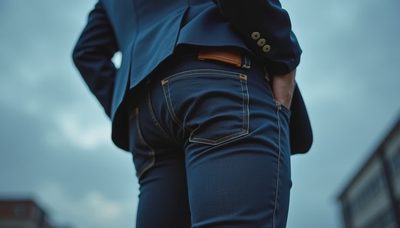
For a conservative office, use trousers, blazers, closed-toe shoes, and restrained patterns. In a creative workplace, try wide-leg pants, color, textured knits, or a modern sneaker. If jeans are accepted, choose a dark, clean pair without distressing and balance them with a blazer or polished blouse. The strongest business casual outfits respond to the environment without asking you to abandon your personality.
Also consider the calendar. A casual internal planning day and a client lunch do not require exactly the same outfit. Keep a jacket, earrings, or a refined shoe at the office so you can shift the look in two minutes.
Shop with cost per wear in mind
I keep a cost-per-wear note on my phone for anything over $50. A $140 blazer worn 70 times costs $2 per wear. A $45 top worn once costs $45 per wear, no matter how good the sale sounded. That simple calculation has stopped me from buying plenty of attractive pieces that did not fit my actual workweek.
When shopping, ask whether a new item works with at least three pieces you already own. A blazer that pairs with trousers, jeans, and a skirt earns closet space quickly. A beautiful blouse that only works with one pair of pants needs a more honest evaluation. Look for repeatability, not novelty.
You do not need designer labels to create excellent business casual outfits. Brands such as Banana Republic, J.Crew, Nordstrom house labels, Uniqlo, and Ann Taylor offer different price points and silhouettes, but the important test is still fit, comfort, and how often you will wear the piece. A $60 pair of trousers that becomes a Monday staple can be smarter than a $200 trend item.
A five-minute morning check
Before walking out the door, check the hem, collar, pockets, and shoes. Make sure your bag can hold what you need without pulling the outfit out of balance. Sit in a chair to see how the jacket and pants behave. If you feel distracted by a waistband, scratchy tag, or slipping strap at home, that feeling will not disappear at work.
My one actionable takeaway is this: choose one dependable formula tonight and photograph it on your phone. Add the shoes and bag you would actually carry. The next rushed morning, you will have a proven answer instead of a closet full of decisions. Good clothes, no drama.