
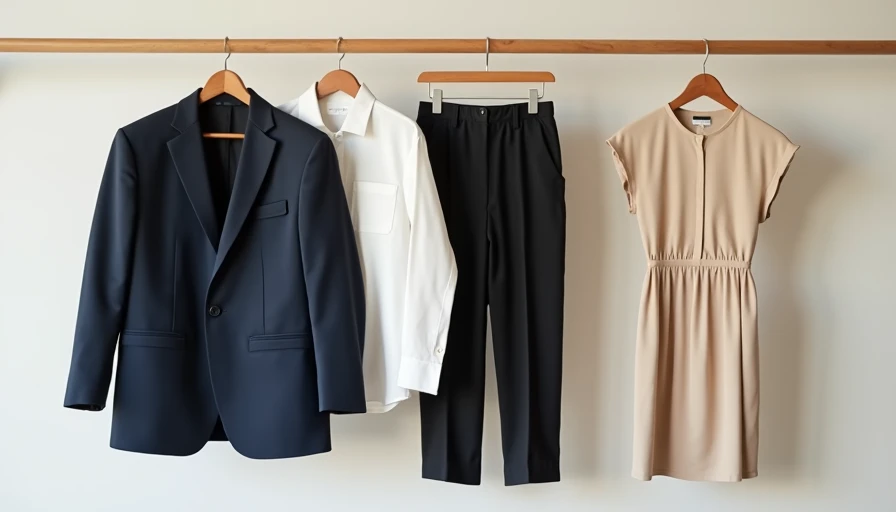

The Signature Style Trap
The internet loves to push the idea of a “signature style.” Find your colors. Discover your archetype. Curate a uniform that screams “this is so you.”
I tried chasing that for a while. The result? A closet full of pieces that looked cute on Pinterest but didn’t survive real mornings with an 8-year-old, client meetings, or Nashville humidity. I finally realized I didn’t need a signature look. I needed a system that worked.
What a Working System Actually Looks Like
A good wardrobe system is boring in the best way. It’s repeatable, flexible, and built around your actual routines rather than an idealized version of yourself.
Mine revolves around:
Core pieces that mix and match easily
Reliable formulas for different parts of my week
Tracking data (yes, the spreadsheet again) to see what’s pulling its weight
Regular audits to remove what no longer serves me
No dramatic color palette. No strict aesthetic rules. Just clothes that show up ready when I need them.
Why Systems Beat Signature Styles for Busy Women
Signature styles assume you have unlimited time, energy, and consistency. Most of us don’t. We have jobs, kids, homes, and lives that shift week to week.
A system gives you:
Faster decisions in the morning
Less decision fatigue
More confidence because you know what works
Easier shopping because you know what gaps to fill
When I stopped trying to express a specific “Sloane aesthetic” and started building a functional wardrobe, everything got easier. I looked more consistent because my clothes actually worked together.
How I Built My System
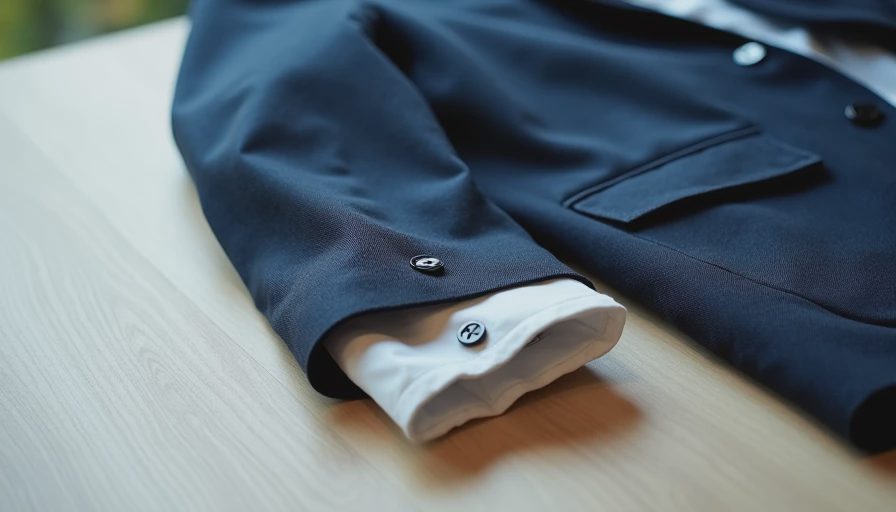
It started with honesty. I listed every role I play: bank manager, mom, wife, neighbor, consultant. Then I identified the outfits that served those roles well.
I focused on:
Versatile neutrals that mix across categories
Key hero pieces (great blazers, reliable trousers, solid dresses)
Formulas instead of individual outfits
Seasonal adjustments rather than total overhauls
The result wasn’t particularly trendy or unique. But it worked. And that’s what mattered.
The Freedom That Comes With Systems
Once your system is in place, you get mental space back. You stop stressing about what to wear. You can focus on the actual work — or the actual living.
Derek has noticed I seem less frazzled on busy mornings. Ivy sees me modeling practical confidence. And my clients get a consistent, competent version of me every time.
For Women Over 30 in Real Jobs
If you’re in your 30s or 40s with a demanding job and a full life, a rigid signature style might feel like another performance. A system feels like support.
You don’t have to look like a fashion influencer. You just need to look like the capable woman you are — with clothes that make your days smoother instead of harder.
Start Small With Your Own System
You don’t need to redo your entire closet. Pick one category (work meetings, weekend errands, etc.) and build three reliable formulas for it. Test them. Tweak. Expand when ready.
Track what works. Let go of what doesn’t. Build slowly and honestly.
You’ll end up with a wardrobe that feels like it was made for your actual life — because it was.
Good clothes, no drama. Sometimes the best style is the one that simply works.