
Tuesday, 9:45 a.m., and I am walking into a client lobby in Nashville with coffee in one hand and a conference folder in the other. That is when business casual dress for women has to earn its place in the closet. It needs to look intentional, sit comfortably, survive a commute, and handle an unexpected meeting without requiring a full outfit change. After 14 years in bank branches and client-facing offices, I learned that polished workwear is less about owning more clothes and more about making a few dependable pieces work together.
What business casual actually means
Business casual is a middle ground between formal suiting and casual weekend clothing. A tailored pair of pants, a knit top, and loafers usually belong in that middle ground. A pencil skirt with a cardigan can work, as can a simple dress with a jacket. The exact line depends on your workplace, but the goal is consistent: look prepared without looking as if you are headed to a black-tie event.
Start by noticing what respected, experienced women in your office wear on ordinary days. Not the day of the annual gala or an executive presentation. Look at Tuesday. If the office is relaxed, dark jeans may be acceptable with a refined sweater and clean leather shoes. If clients regularly visit, trousers, dresses, or skirts will give you more room to adjust.
Business casual dress for women should also account for the calendar. A quiet desk day, a presentation, and an off-site lunch may call for three slightly different levels of polish. Keep a blazer on your chair or in your office if you can. It turns a plain shell and pants into a meeting-ready outfit in about ten seconds.
The five pieces that do the most work
A useful work wardrobe does not need to be large. I would begin with two pairs of pants, one skirt or dress, two office-friendly tops, a jacket, and two pairs of shoes. Choose colors that cooperate: navy, black, charcoal, tan, cream, and one color you genuinely enjoy wearing. This makes morning decisions easier because nearly everything can share a cardigan, belt, or jacket.
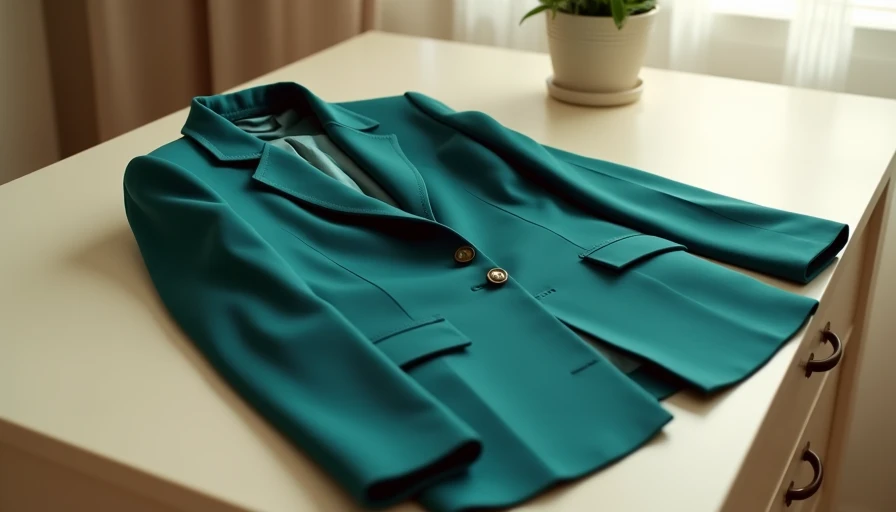
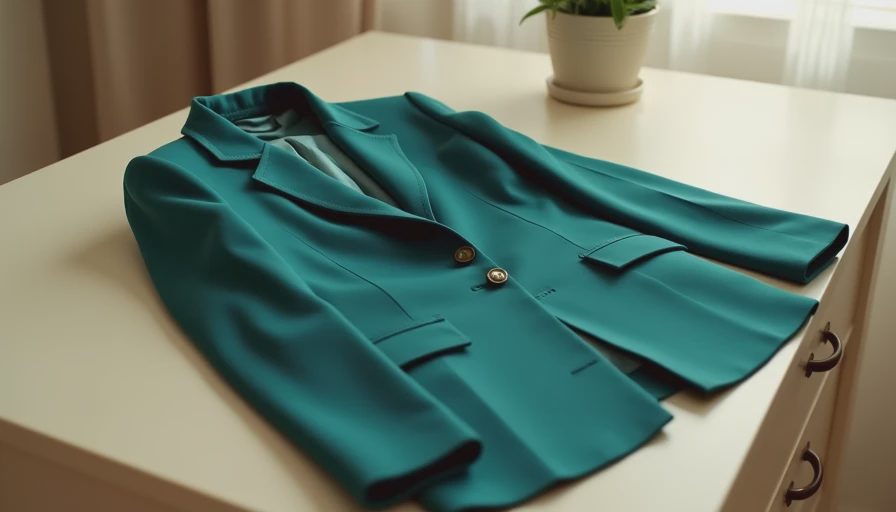
A straight or gently wide-leg trouser is a strong starting point. It works with loafers, low heels, or neat flats and does not depend on a particular trend. For tops, look for fabric with enough weight to stay smooth under a jacket. Cotton poplin, fine-gauge knit, and washable crepe are practical choices. A blazer does not need to be stiff. A softly structured jacket can look professional while letting you reach for a file or sit through a long meeting.
For business casual dress for women, the best pieces are the ones you reach for repeatedly. My cost-per-wear rule is simple: if an item costs $120 and you wear it 60 times, it has cost $2 per wear. That beats a $35 novelty blouse that stays on a hanger because it wrinkles, pinches, or only matches one pair of pants.
Fit checks that matter at work
Fit is not about wearing a certain size or copying someone else's proportions. It is about whether your clothes cooperate with the tasks of your day. Sit in the chair you use at work. Does the waistband dig in? Does the jacket pull when you reach across a table? Does the skirt stay in place when you walk upstairs? These are useful questions because office clothes are not display pieces; they are equipment.
A blazer should close without strain and lie flat at the back. Sleeves should let you type without swallowing your hands. Pants should allow you to sit comfortably, with enough length for the shoes you plan to wear. If a garment is almost right, a $20 to $60 tailoring adjustment can make it substantially more useful. Hemming trousers, shortening sleeves, or moving a button is often smarter than replacing the entire item.
Business casual dress for women looks more polished when the details are quiet and controlled. Check for loose threads, shiny seat marks, missing buttons, and deodorant residue before leaving home. Keep a small repair kit and a stain-removal pen in your desk. Those are not glamorous purchases, but they have rescued more workdays than another pair of earrings ever did.
Shoes, bags, and layers for real schedules
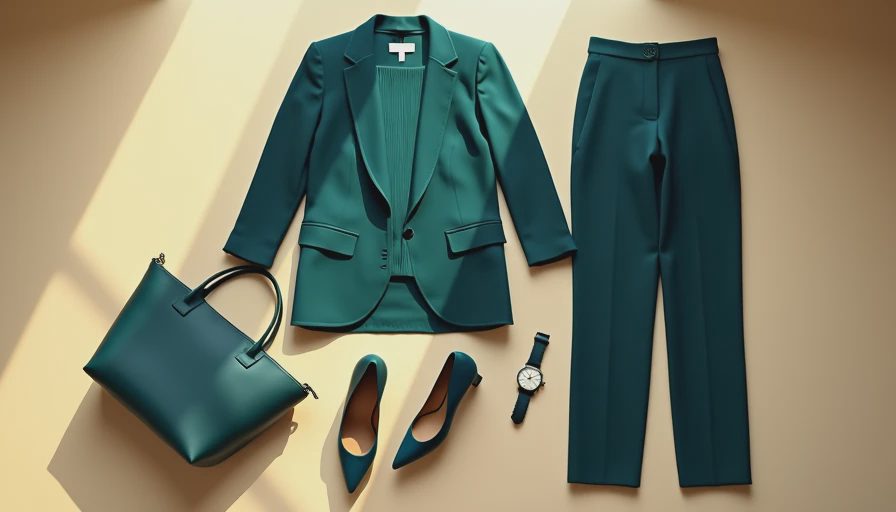
Shoes set the practical limit for an outfit. A pair of loafers can handle a parking lot, a train platform, and a long presentation better than a delicate heel. Low block heels, leather flats, simple ankle boots, and clean ballet flats can all work when they are in good condition. If you commute on foot, carry your office shoes in a structured tote rather than forcing your feet through an uncomfortable morning.
A medium-size tote or satchel should hold your essentials without collapsing into a heap. Black and brown are easy starting points, but burgundy, olive, and navy can be just as versatile. Jewelry should not compete with your work. Small hoops, a watch, or one pendant usually gives enough finish for a client meeting.
Layers matter in offices where the thermostat has a personality. Keep a washable cardigan, jacket, or lightweight merino sweater nearby. Business casual dress for women becomes much easier when the base outfit works on its own and the extra layer is a useful adjustment, not a rescue attempt. In warm Nashville weather, breathable fabric and an unlined jacket can be more comfortable than a heavy suit.
Three outfits you can repeat
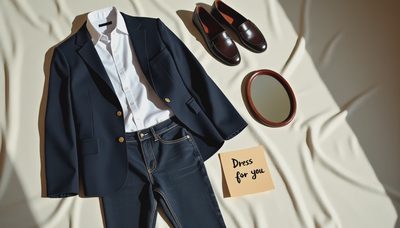
For an ordinary office day, try navy ankle pants, a cream knit top, brown loafers, and a simple belt. For a client meeting, switch the knit top for a pale blue button-front shirt and add a navy blazer. The outfit stays familiar, but the jacket and crisper fabric communicate more structure.
For a presentation, wear a solid-color dress with a cardigan or jacket and low block heels. Check that the dress remains comfortable when seated and that the neckline does not require constant adjustment. For a casual Friday, dark straight-leg jeans can work with a polished sweater, leather loafers, and a jacket if your workplace permits denim.
This is the practical strength of business casual dress for women: one foundation can move through several levels of formality. You do not need a new outfit for every meeting. You need a dependable base and one or two pieces that change the message.
A calm shopping plan
Before buying anything, write down three outfits you already wear successfully and identify what they share. Maybe you need better shoes, a jacket that closes comfortably, or tops that do not require ironing. Buy that missing category first. Set a budget, inspect the fabric, and ask whether the item works with at least three things already in your closet.
Try on clothing while sitting, walking, and lifting your arms. Take a quick phone photo if mirrors are confusing. Leave anything that needs constant fixing at the store. A $90 piece worn weekly is better value than a $250 piece reserved for an imaginary perfect day.
Good clothes, no drama. Start with one work outfit you trust, make one small improvement to it, and repeat the process. That is how business casual dress for women becomes a wardrobe you can actually use, rather than another set of rules waiting in your closet.