
Tuesday, 9:45 a.m., and I am walking from the parking lot to a client meeting with one hand around an iced coffee and the other holding a folder. That is when women's shoes business casual stop being a style question and become a workday question. Can you stand in them? Do they look intentional with trousers? Will they still feel reasonable after school pickup? The best pair handles all three without demanding attention.
After 14 years in bank branches and conference rooms, I learned that professional shoes do not need to be expensive, delicate, or painfully high. They need a clean shape, enough support, and a level of polish that works with the clothes already in your closet. Good clothes, no drama.
What makes a shoe business casual?
Business casual shoes sit between formal pumps and weekend sneakers. That leaves plenty of room for personal preference. A leather loafer, sleek ballet flat, low block heel, almond-toe ankle boot, or refined mule can all work when the rest of the outfit is tidy and the shoe is in good condition.
The easiest test is to ask whether you would wear the pair to a meeting with someone who does not know you yet. Women's shoes business casual should support a capable first impression without looking like you dressed for a formal event. A pointed flat with ankle trousers feels crisp. A penny loafer with straight-leg pants feels prepared. A simple low heel with a sheath dress is traditional without being stiff.
Material matters, too. Smooth leather, suede, and quality-looking vegan leather usually read more professionally than thin canvas or athletic mesh. Color can stay simple: black, brown, cognac, navy, taupe, or burgundy will cover most office outfits. A small metal detail or a subtle texture is fine; excessive sparkle belongs in a different part of the calendar.
Start with the shoes you will actually wear
The prettiest pair in your closet is not useful if it pinches before your first meeting. For women's shoes business casual, comfort starts with the shape, not a vague promise that the shoe will eventually stretch. Look for cushioning under the ball of the foot, a stable heel, and enough room for your toes to rest naturally. A one-inch block heel often feels more secure than a narrow two-and-a-half-inch heel, especially on hard office floors.
Try shoes late in the day, when feet are naturally a little fuller. Walk on a firm surface, sit down, stand up, and take several normal steps. If your heel slips repeatedly or your toes hit the front, the problem will not disappear during a busy Wednesday. A $90 pair worn twice is more expensive, in practical terms, than a $140 pair worn twice a week.
For commuting, consider keeping a polished pair at your desk. A comfortable walking shoe can get you to the office, while loafers or flats stay clean and ready for presentations. This small arrangement protects your work shoes and saves you from buying a closet full of compromises.
Five reliable styles for the office
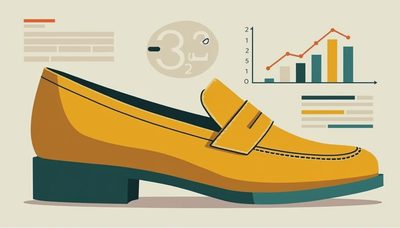
Loafers are the workhorse. They look at home with ankle pants, wide-leg trousers, denim on a relaxed Friday, and midi skirts. A structured leather loafer from brands such as Sam Edelman, Cole Haan, or Clarks can cover several outfits without looking repetitive. Choose a sole that is substantial but not chunky if your workplace leans traditional.
Flats are useful when you want a softer look. A pointed toe lengthens the visual line of cropped pants, while a round toe feels approachable with a cardigan and tailored trousers. Look for a cushioned footbed and a heel that stays in place. A ballet flat that folds completely flat may be easy to pack, but it often offers less support for a full day.
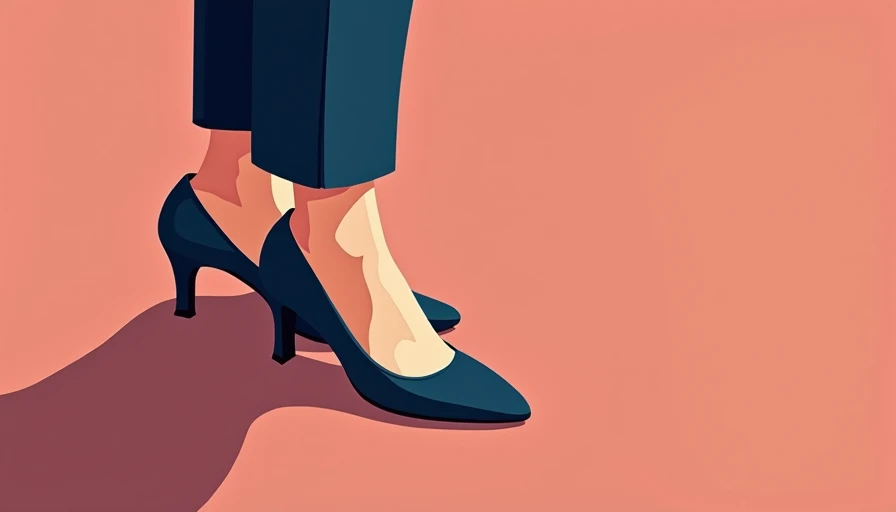
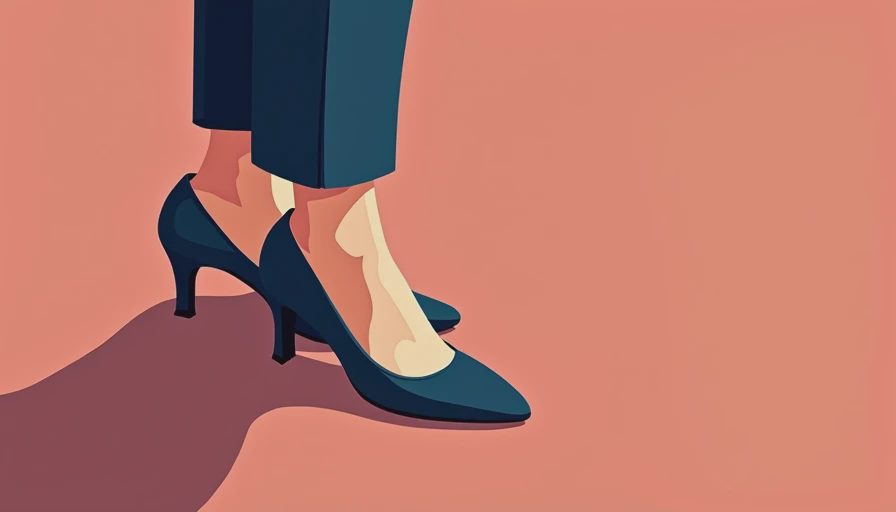
Low block heels bring a little authority without turning every hallway into a balancing exercise. They pair especially well with dresses, suiting, and straight-leg pants. Pumps still have a place in conservative offices, but a two-inch heel is usually easier to live in than a higher version.
Ankle boots can be excellent women's shoes business casual when the shaft sits neatly under or beside the trouser hem. Black or brown leather works from fall through early spring. Avoid overly rugged soles, visible hiking details, or a loose shaft that bunches under a dress.
Mules are convenient, but they need judgment. A closed-toe mule with a structured upper can look sharp in a creative or relaxed office. For a client presentation or a day filled with walking, a back that stays secure is the safer choice.
Match the shoe to the outfit, not the other way around
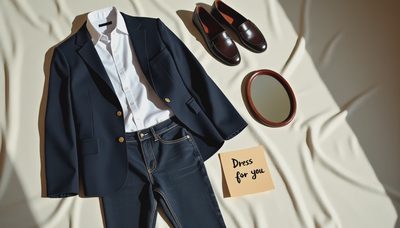
A simple formula prevents most morning mistakes: repeat a color, balance the shape, and check the hem. Black loafers with charcoal trousers and a black belt look connected. Cognac shoes can wake up navy, cream, olive, and denim. A burgundy flat gives a neutral outfit interest without turning it into a statement costume.
The hem matters because it changes how finished the whole outfit looks. Cropped pants usually work with a low-profile flat, loafer, or ankle boot. Full-length wide-leg trousers need a shoe with enough height that the hem does not drag. With a midi skirt, a pointed flat or low heel creates a clean transition; a very heavy sneaker can make the outfit feel more casual than intended.
When women's shoes business casual are the focal point, keep the rest of the outfit quiet. A patterned shoe can work with a solid trouser suit. A bright red flat can be the one interesting detail in an otherwise navy-and-white outfit. The goal is not to remove personality. It is to give personality a place where it looks deliberate.

Build a small rotation that earns its closet space
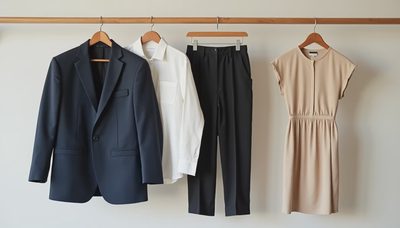
You do not need ten office pairs. Start with one dependable black loafer or flat, one brown or cognac option, and one low heel or ankle boot suited to your workplace. If each pair works with at least five outfits, you already have a useful rotation. Add a mule, metallic flat, or colored shoe only after you understand what your mornings actually require.
I keep a cost-per-wear note on my phone. A $120 loafer worn 60 times costs $2 per wear, while a $55 pair worn twice costs $27.50 per wear. The cheaper purchase is not automatically the better value. Check stitching, sole flexibility, heel stability, and whether you can imagine wearing the shoe next month instead of only liking it in the mirror.
Care helps the rotation last. Use a soft brush on suede, wipe leather after rainy commutes, and replace worn heel tips before they become a safety problem. Shoe trees or simple paper stuffing help maintain shape. Rotating pairs also gives moisture and cushioning time to recover between wears.
A practical buying check before you click purchase
Before buying women's shoes business casual, picture three actual outfits: your most-used work pants, your favorite dress, and the outfit you wear on a day packed with walking. If the shoe works with all three, it has a strong case. If it only works with one special outfit, it is probably an occasion purchase rather than a workhorse.
Read the return policy, especially when ordering online. Walk indoors on a clean floor, test the fit with the socks or tights you normally wear, and check that your heel stays put. Do not rely on the size printed inside the shoe; shapes differ between brands and styles. A familiar label can still produce a different fit in a pointed flat than in a loafer.
The right pair should let you focus on the client, the presentation, or the afternoon pickup instead of your feet. That is the real standard for women's shoes business casual: polished enough for the room, comfortable enough for the life waiting after it. Start with one pair you can wear twice next week, then build from evidence rather than impulse.