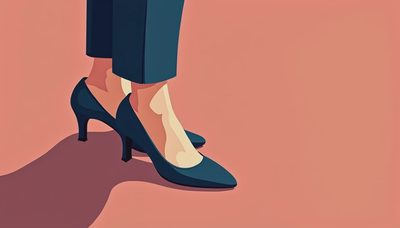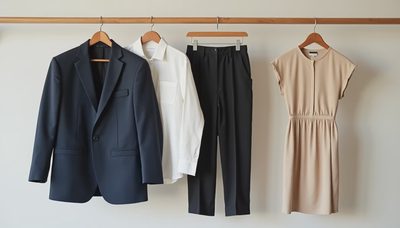


Tuesday, 9:45 a.m., client lobby. I was standing beside the reception desk, smiling through a conversation while one narrow heel pinched my toes with every shift of weight. That was when I learned that business casual shoes women actually wear need to do more than look polished. They need to survive the commute, the conference room, the stairs, and the walk back to your car.
After 14 years in bank branches, I stopped buying shoes for one impressive outfit. I started choosing pairs that worked with trousers, ankle pants, dresses, and the occasional dark jean. Good clothes, no drama. That is the standard here.
What makes a shoe business casual?
Business casual is not one fixed uniform. In one office, it means loafers with tailored pants. In another, clean leather sneakers work with a blazer and knit dress. The common thread is intentional polish. Shoes should look cared for, fit securely, and support the level of formality expected in your workplace.
Start with the details people notice from across a room. A simple shape, restrained hardware, and a clean upper usually read more professional than a heavily embellished style. A low block heel, almond-toe flat, loafer, ballet flat, or sleek lace-up can all work. The right choice depends on your office, your commute, and how much standing your day includes.
For business casual shoes women can wear repeatedly, comfort should not mean looking like you are headed to the gym. Cushioned footbeds, flexible soles, and a heel under three inches can make a real difference without making the shoe look overly athletic. Look for soft leather, smooth suede, or quality man-made materials that do not crease sharply after one sitting.

The five pairs that earn their closet space
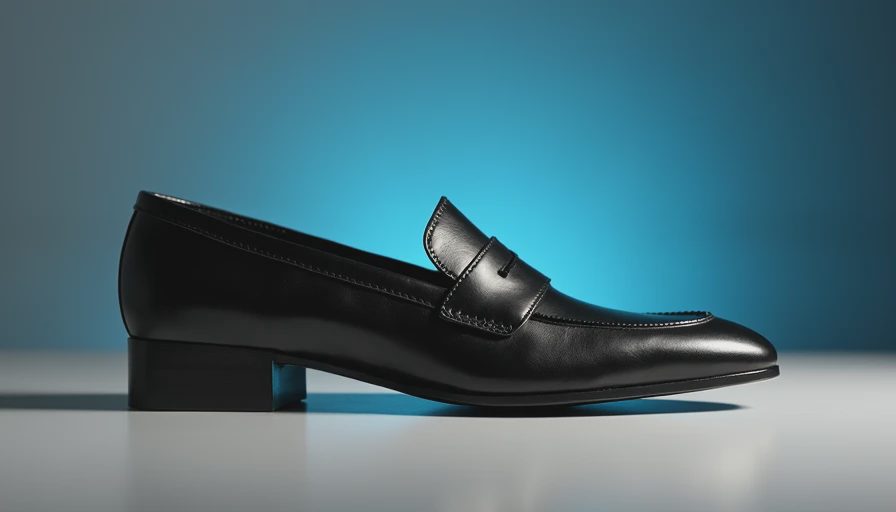
A leather loafer is usually the hardest-working starting point. Black works with charcoal, navy, and patterned trousers, while brown or cognac adds warmth to cream, olive, and denim. Look for a loafer with enough room across the top of the foot so you are not fighting it by lunchtime.
A pointed or almond-toe flat is useful when you want a more delicate line than a loafer provides. It works with a sheath dress for a presentation and with ankle pants on a regular office day. Choose a substantial sole rather than an ultra-thin one if you walk on sidewalks or stand at a reception desk.
A low block heel gives you the presence of a pump without the wobble. Two inches is often enough to change how a pair of trousers falls while remaining practical for a full day. A closed-toe block heel is especially useful for interviews, client meetings, and days when your outfit needs a little more structure.
A refined sneaker can fit a relaxed workplace, but not every sneaker belongs in the office. Leather or matte-finish styles in white, black, gray, or navy tend to look more deliberate than bright running shoes. Keep the rest of the outfit crisp: pressed trousers, a tucked knit top, or a blazer that holds its shape.
Finally, consider a sleek ankle boot. A low heel and narrow shaft pair well with cropped trousers, midi skirts, and sweater dresses. In Nashville rain or a cold Midwest commute, boots can be more practical than flats while still looking completely work-ready.
How to choose the right pair for your day
Think through your actual schedule before you click buy. If you drive to work and sit most of the day, you have more flexibility with heel height. If you take public transportation, walk between buildings, or supervise a busy floor, prioritize grip and stability. A beautiful shoe that stays in your desk drawer is not a useful purchase.
Check the fit at the end of the day, when feet are often slightly fuller. Your heel should not lift dramatically with each step, and your toes should not touch the front. Walk across a hard floor, turn quickly, and sit down. If the shoe rubs during those simple tests, it will not become more comfortable through positive thinking.
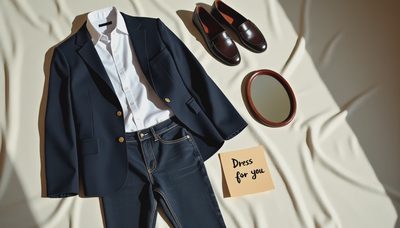
Business casual shoes women can depend on should also suit the clothes already in your closet. Hold the shoe beside your most-worn pants. Does the toe shape look balanced with the hem? Can you wear it with at least three outfits? I keep a cost-per-wear note on my phone, and a $120 loafer worn twice a week quickly makes more sense than a $55 novelty pair worn once.
Color, materials, and smart outfit combinations
Black is dependable, but it does not have to carry the entire wardrobe. Navy loafers look polished with gray and blue tailoring. Cognac flats make beige, ivory, and olive outfits feel finished. Burgundy can act almost like a neutral when paired with charcoal, navy, or denim.
For a first purchase, smooth leather or a durable leather alternative is easy to maintain. Suede looks beautiful but needs more care in wet climates. Patent finishes add shine, though they can feel more formal and may show scuffs quickly. Whatever you choose, a basic shoe brush, soft cloth, and weather-protection spray can extend its useful life.
Try a black loafer with straight-leg trousers and a fine-gauge sweater. Wear a low block heel with a midi dress and cropped jacket. Pair clean sneakers with ankle pants, a button-front shirt, and a relaxed blazer. These combinations look pulled together because the shoes support the outfit rather than compete with it.
Common shopping mistakes I made first
The first mistake was buying for the mirror instead of the calendar. A dramatic heel looked excellent for ten minutes and became a problem during a two-hour training session. The second was assuming a familiar brand meant a guaranteed fit. Even within one brand, toe boxes and insoles can differ significantly between styles.
Another mistake was buying only dark shoes. A wardrobe made entirely of black footwear can feel repetitive, especially with lighter summer trousers. Adding one brown, tan, or muted colored pair gives you more combinations without creating a closet full of decisions.
I also used to ignore the sole. A thin, slippery sole made rainy sidewalks stressful and wore down quickly. A modest rubber section under the heel or forefoot can improve traction and reduce replacement costs. For business casual shoes women wear through several seasons, construction matters as much as appearance.
A simple buying plan for working women
Begin with one pair that covers your most common work outfit. If you wear trousers four days a week, start with a loafer or low heel. If dresses dominate your closet, choose a refined flat or almond-toe pump. Wear that pair for a month before adding another category.
Next, add contrast. A black shoe followed by cognac, navy, or burgundy will create more useful combinations than buying two nearly identical black pairs. Then add a weather-friendly option if your commute requires it. This approach keeps spending intentional and helps you learn what your feet actually tolerate.
Before buying, check the return policy, walk indoors on a clean surface, and try the shoes with your work socks or hosiery. Give yourself enough time to break them in at home. Business casual shoes women keep for years are rarely the pairs that looked exciting for one photograph; they are the ones that made Monday easier.
The actionable takeaway: choose your next pair based on the hardest part of your workday, then make sure it works with three outfits you already own. That is how business casual shoes women become useful wardrobe tools instead of expensive clutter.