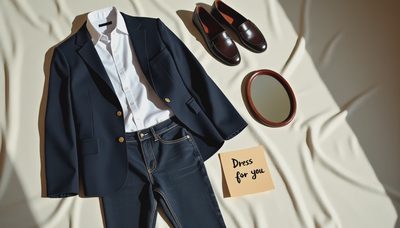

Tuesday, 9:45 a.m., client lobby. I was standing beside a new associate, listening to her explain a complicated account issue, while she quietly shifted from one foot to the other. Her outfit was polished. Her shoes were not surviving the day. That is the problem business casual shoes for women need to solve: they should look appropriate in a conference room and still feel manageable after a commute, three meetings, and an unexpected walk across the parking lot.
After 14 years in bank branches, I learned that shoes are not a small finishing detail. They affect how you walk into a room, how long you can stand, and whether you are thinking about your work or your sore heel. The best pair does not demand attention. It supports the rest of the outfit and lets you get on with your day. Good clothes, no drama.
What business casual actually asks of your shoes
Business casual is not one universal uniform. A creative office might welcome clean leather sneakers, while a financial office may expect loafers, flats, or a low heel. Client-facing work usually calls for a shoe that looks intentional, clean, and quiet enough not to compete with your clothes.
Start with the setting. If you regularly meet customers, choose polished leather or suede, a simple shape, and a covered toe. If you work in a relaxed office, a streamlined sneaker in white, black, navy, or tan can work with trousers and a blazer. A platform athletic shoe, beach sandal, or visibly worn pair usually sends a more casual message than you intend.
The most reliable business casual shoes for women include loafers, ballet flats, pointed-toe flats, low block heels, refined ankle boots, and minimal leather sneakers. None of these styles has to feel stiff or old-fashioned. The test is whether the shoe looks purposeful with your work clothes and stays secure when you walk.
Five styles worth considering
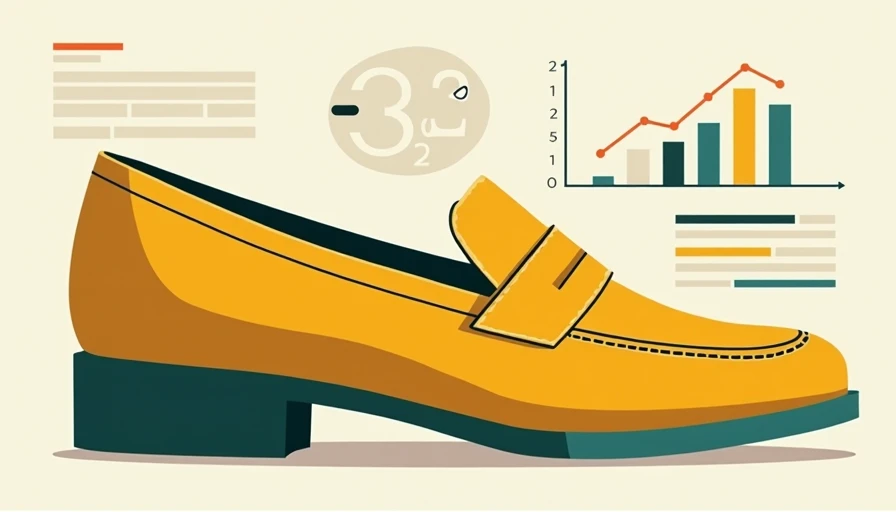
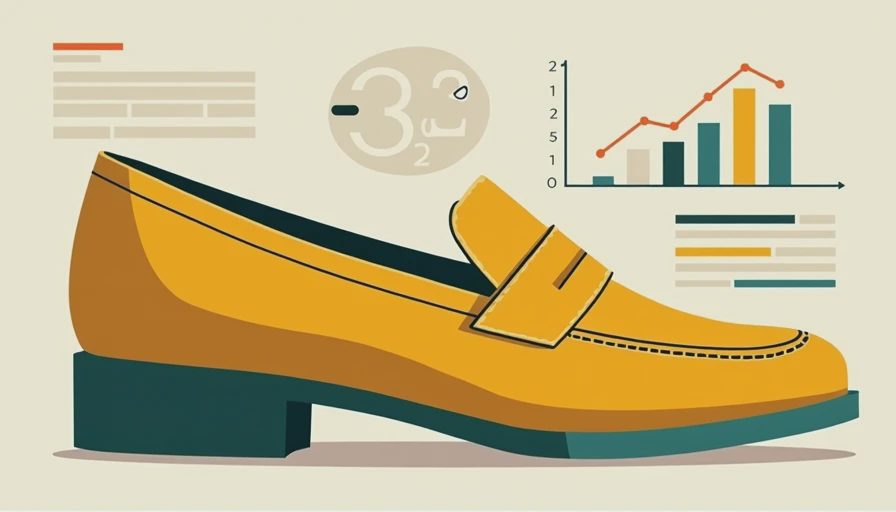
Loafers are the workhorse. A black or dark brown leather loafer works with ankle trousers, straight-leg pants, midi skirts, and denim in a relaxed office. Look for a cushioned footbed and a heel that does not slip. Brands such as Sam Edelman, Naturalizer, Clarks, and Cole Haan offer many versions across different price points, so compare construction rather than buying for the label.
Flats are useful when you want a lighter look. A ballet flat works well with cropped pants, while a pointed-toe flat gives a suit a slightly sharper finish without adding height. If a flat cuts into the top of your foot, try a different vamp or a softer edge. Comfort is often a shape issue, not a personal failing.
Low block heels provide a little structure for presentations or formal client appointments. A heel around one to two inches is easier to walk in than a narrow high heel, especially on hard office floors. Choose a stable base, secure straps when needed, and enough room to move your toes.
Ankle boots make sense in colder months or offices with a more modern dress code. A sleek leather Chelsea boot pairs with trousers and dresses, while a low-heeled zip boot works with heavier fabrics. Keep the toe and hardware simple if the rest of your outfit already has plenty happening.
Minimal sneakers are the most casual option. Choose a clean pair with a low profile, leather or smooth synthetic material, and little visible branding. They look most professional with tailored trousers, a knit blazer, or a crisp button-down rather than with sweatpants or gym clothes.
Fit matters more than the price tag
A $180 shoe that stays in your closet is expensive. A $65 pair worn twice a week can be a better purchase if it fits and holds up. I keep a cost-per-wear note on my phone, and the shoes that reach a low cost per wear are almost always the pairs I can put on without negotiating with myself first.
Shop later in the day, when your feet have experienced normal swelling. Wear the type of socks or hosiery you will actually use at work. Walk on a hard surface for several minutes, sit down, stand up, and check whether your heel stays in place. Your toes should not press against the front, and the widest part of your foot should sit comfortably inside the shoe.
A little break-in time is normal. Persistent pinching, rubbing, numbness, or sliding is not something you need to train your feet to tolerate. Try heel grips, thin insoles, or cushioned pads for small adjustments, but return a shoe when the basic shape is wrong.
Match shoes to real work outfits
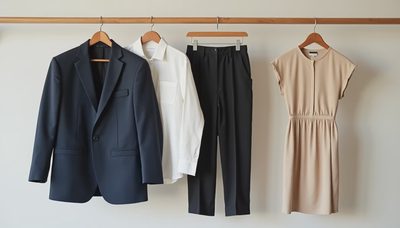
For navy or charcoal trousers, black loafers, burgundy flats, or dark brown shoes are easy choices. With beige, camel, or olive pants, brown, tan, cream, and muted metallics create a softer combination. You do not need to match your shoes exactly to your handbag. Repeating one color elsewhere, such as in a belt or watch strap, is enough to make the outfit feel connected.
A knee-length or midi dress usually benefits from a shoe with some visual weight. A tiny flat can look disconnected under a substantial dress, while a low heel or sleek loafer balances the outfit. With wide-leg trousers, select a shoe that is visible enough to keep the hem from looking like it is swallowing your feet. With ankle pants, a low-cut flat or loafer can create a clean line.
For a Monday client presentation, I might wear navy trousers, a pale blue shirt, a camel blazer, and dark brown loafers. On Friday, the same blazer could go with straight-leg jeans and clean leather sneakers. This is why business casual shoes for women should be chosen as part of a small outfit system, not as isolated purchases.

A practical buying plan
Before shopping, identify the gap in your closet. If you own three pairs of heels but avoid all of them by lunchtime, buy a loafer or low block heel. If every shoe is black, a medium brown or burgundy pair may give your existing pants more options. If you walk to work, prioritize cushioning and weather resistance before decorative details.
A useful starting capsule is one dark loafer, one comfortable flat, one low heel or ankle boot, and one polished sneaker if your workplace allows it. That is enough variety for most weekly schedules. Spend more on the pair you will wear constantly, and use a lower-cost option for a less frequent style. A local shoe repair shop can also add heel tips, stretch a tight area, or replace worn soles for less than the cost of a new pair.
When comparing business casual shoes for women online, read the material description, examine return rules, and look for photos from several angles. Reviews are most useful when they mention width, arch support, heel security, and how the shoe performs after several hours. Do not rely on a familiar size alone; sizing changes across brands and styles.
The morning test I recommend
Put on the complete outfit before leaving home. Walk from the bedroom to the front door, sit in the car, climb stairs, and stand while carrying your coffee. If the shoe catches on the hem, slips at the heel, or makes you shorten your stride, fix the problem before the workday exposes it.
Keep a small backup in your office if your schedule includes long standing periods. Foldable flats can help in an emergency, but a second comfortable pair is even better. Store shoes with enough room to air out, wipe leather after rainy commutes, and replace worn heel caps before they become noisy or unstable.
The right business casual shoes for women are not necessarily the trendiest pair in the store. They are the ones that support your actual calendar, suit your office, and earn repeated wear. Start with one dependable style, test it during a normal workday, and build from what you learn. One actionable takeaway: tomorrow morning, walk through your entire outfit before you leave. Your feet will tell you exactly what needs changing.