
Tuesday, 9:45 a.m., client lobby. I was halfway through introducing myself when I noticed one of my shoes had started rubbing my heel. I spent the rest of the meeting thinking about my feet instead of the conversation. The best women's business casual shoes do more than match your trousers. They let you walk into a conference room, sit through a presentation, and get home without negotiating with your footwear.
After 14 years in bank branches and client-facing offices, I learned that a useful work shoe needs three things: a clean shape, dependable comfort, and enough flexibility for an ordinary day. You do not need a closet full of pairs. You need a few options that can handle the walk from the parking garage, the unexpected office tour, and the dinner that follows a late meeting.
What makes a work shoe genuinely business casual
Business casual lives between a formal pump and a weekend sneaker. That leaves room for loafers, low block heels, refined ballet flats, sleek ankle boots, and polished leather sneakers in offices with a relaxed dress code. Women's business casual shoes should look intentional without appearing as though you dressed for a courtroom or a Saturday errand.
Start with the toe shape. A softly pointed or almond toe tends to look polished with ankle pants, while a rounded toe works beautifully with straight-leg trousers and midi skirts. The shoe should have enough structure to hold its shape when you walk. A collapsing upper or heavily scuffed finish can make even an expensive outfit feel unfinished.
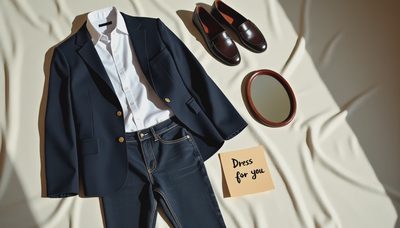
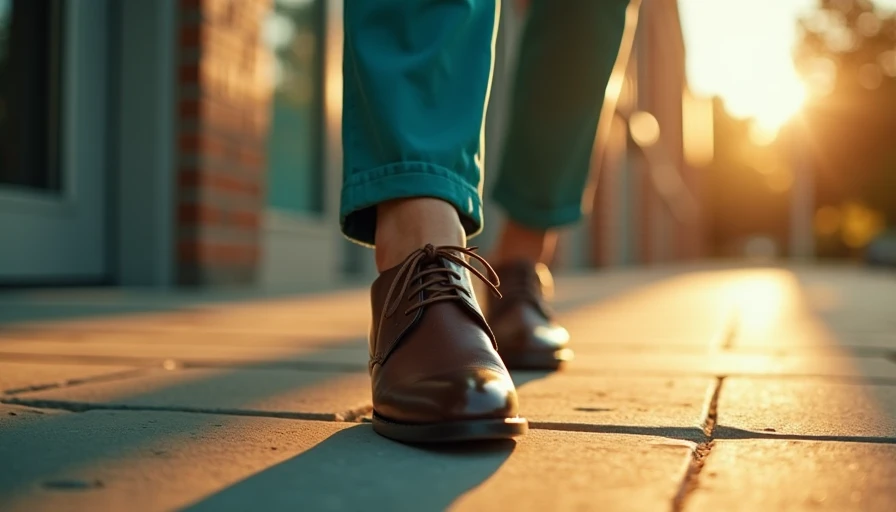
Color matters, but you do not need to overcomplicate it. Black works with charcoal, navy, gray, and many prints. Cognac or medium brown adds warmth to navy, cream, olive, and denim. Deep burgundy is a useful third option if your wardrobe includes neutrals. If you are buying your first pair, choose the color that connects with at least three outfits you already wear.

The most useful styles for a full workweek
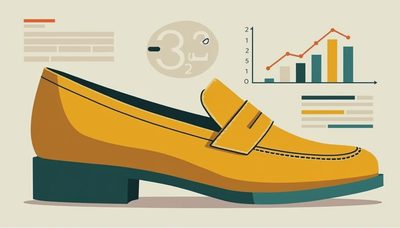
A leather loafer is often the hardest-working choice. It slips on quickly, looks credible with tailored pants, and can handle a commute better than a delicate flat. Look for a cushioned footbed, a sole with some traction, and a vamp that does not press across the top of your foot. Brands such as Sam Edelman, Naturalizer, Cole Haan, and Clarks offer different versions at several price points, from roughly $70 to $180.
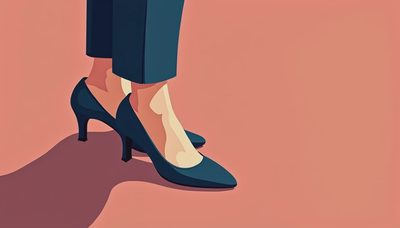
Low block heels are a smart choice when you want a little height without the wobble of a narrow heel. A heel between one and two inches can work with dresses, wide-leg trousers, and suits. Women's business casual shoes with a stable heel are especially helpful for presentations because they keep your posture comfortable while you stand. A square or almond toe usually gives your toes more room than a sharply pointed pump.
Ballet flats can be excellent, but construction makes the difference. Very thin soles often leave your feet tired by midafternoon. Try a flat with a supportive insole, a firm heel counter, and a modestly structured upper. Slingbacks are another useful option for warmer months, particularly when the strap stays put instead of sliding down every few steps.
How to test women's business casual shoes before buying
Do not judge a shoe by standing still on a carpeted store floor. Walk for several minutes. Turn corners. Climb a few stairs if possible. Sit down and check whether the upper digs into your foot when your ankle bends. Your toes should not hit the front when you walk downhill, and your heel should not lift dramatically with each step.
Try shoes later in the day, when feet are usually a little more expanded. Wear the type of socks or tights you expect to use at work. If you will commute in sneakers and change shoes at the office, test the work pair on a hard surface. Soft store carpeting can hide a sole that feels unforgiving on concrete.
Online shopping requires a little more planning. Read reviews for comments about width, arch support, heel slippage, and break-in time rather than relying only on star ratings. Measure both feet if one is slightly larger. A reputable retailer with a clear return policy is worth choosing, especially for women's business casual shoes priced above $100.
Matching shoes to real office outfits
With cropped trousers, try a loafer, flat, or low slingback that leaves a small amount of ankle visible. The clean line keeps the outfit from looking heavy. Straight-leg pants pair easily with loafers, low heels, and ankle boots. Make sure the hem does not bunch over the shoe; even a half-inch adjustment at a tailor can change the whole outfit.
A midi skirt works with a low block heel, pointed flat, or streamlined boot. The goal is balance, not a strict formula. If the skirt has movement or a bold pattern, a simple shoe usually gives the outfit a calmer finish. If you are wearing a quiet column of neutrals, a burgundy or cognac shoe can add interest without becoming the centerpiece.
Women's business casual shoes also need to cooperate with your outerwear. A refined sneaker may be fine inside a casual creative office, but it can look disconnected beneath a formal wool coat. A loafer or clean leather boot bridges that gap better when you are moving between different settings during the day.

Comfort details that earn their place
Cushioning is helpful, but softness alone is not support. Look for a sole that bends near the ball of the foot, not directly under the arch. A padded collar can prevent heel irritation, while a breathable lining helps during warm commutes. Rubber or rubber-tipped soles provide better traction than smooth leather when sidewalks are wet.
If a shoe is almost right, small adjustments can make it useful. A thin heel grip can reduce slipping. A professional cobbler can add a nonslip sole or stretch a tight area. Avoid buying a pair that is painful in multiple places with the hope that wearing it around the house will solve everything. Break-in time can soften leather; it cannot redesign a poor fit.
I keep a cost-per-wear note on my phone. A $120 pair worn twice a week for a year costs about $1.15 per wear before maintenance. A $45 pair that stays in the closet costs $45. That math is why the best women's business casual shoes are not always the cheapest option on the shelf.
Build a practical three-pair rotation
For most professional wardrobes, three pairs can cover a surprising amount of ground. Start with a black loafer or low heel for traditional meetings and darker trousers. Add a brown or cognac option for navy, beige, olive, and casual Friday outfits. Finish with a weather-friendly ankle boot or supportive flat for walking-heavy days.
Rotate pairs rather than wearing the same shoes every day. Leather benefits from time to air out, and your feet appreciate a change in pressure points. Keep a simple shoe-care kit nearby: a soft brush, leather conditioner suited to the material, and heel caps when needed. Store each pair where you can see it, because hidden shoes become forgotten shoes.
If your office is more relaxed, replace the third pair with a polished leather sneaker. Choose a simple silhouette without loud logos, bright athletic details, or a visibly worn sole. The right pair can work with dark jeans, tailored pants, and a casual blazer while still looking considered.
The most useful takeaway is simple: choose women's business casual shoes for the day you actually have, not an imaginary two-hour office day. Walk in them, sit in them, and pair them with clothes already in your closet. Good clothes, no drama.