
The Day I Got Fed Up
It was a slow afternoon at the branch when a coworker asked me for advice. She’d just read an article titled “10 Must-Have Pieces Every Career Woman Needs.” She showed me her phone with a mix of confusion and defeat. The recommendations? A $900 designer blazer, sky-high heels, and a “power dress” that looked impossible to sit in.
She looked at me — a fellow working mom — and said, “Sloane, I have a 45-minute commute and daycare pickup. When am I supposed to wear this?”
That moment crystallized years of frustration. Most style advice for professional women isn’t just unhelpful. It’s actively discouraging. It assumes we have unlimited budgets, no kids, and lives that revolve around looking camera-ready instead of getting work done.
This isn’t a rant. It’s a field report from someone who lived the reality for 14 years before turning those lessons into something better.
What “Professional Style Advice” Usually Gets Wrong
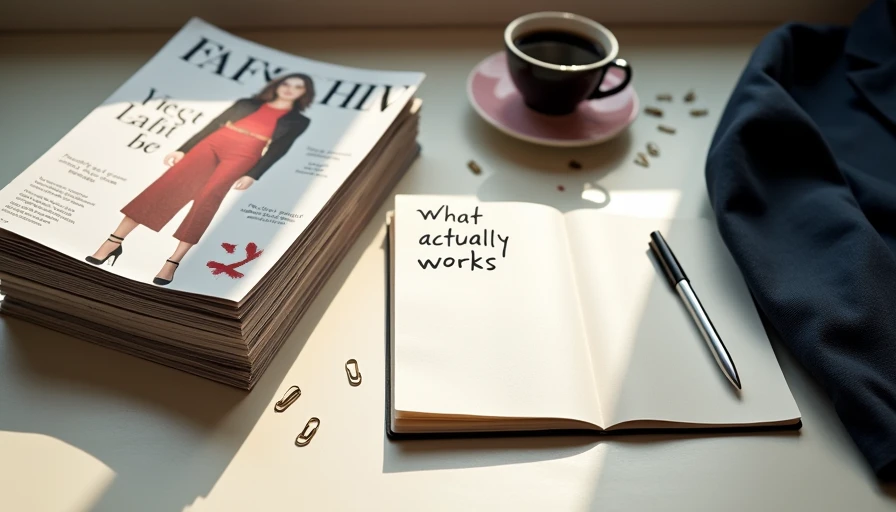
I’ve read the magazines. I’ve scrolled the Instagram accounts. Here’s what I consistently see:
The Trend Trap
Every season brings new “must-haves” that will supposedly transform your career. Last year it was bold shoulders. This year it’s something else. The problem? Trends don’t survive fluorescent lighting, 8-hour days, or actual client meetings. I once tried a trendy wide-leg trouser that looked great standing but made me feel like I was swimming when I sat at my desk. Not practical.
The Body Commentary Problem
Too many articles frame advice around “hiding flaws” or “accentuating assets.” I refuse to participate in that. My clients at the bank came in every shape, size, and age. Their competence wasn’t determined by whether their blazer created the perfect silhouette. It was about showing up prepared and confident. We don’t need more voices adding pressure — we need ones that remove it.
The Fantasy Lifestyle
Many influencers post from beautifully lit studios or while traveling. Their “work outfits” often involve multiple outfit changes and professional styling. Meanwhile, the rest of us are packing lunches, answering emails in the car, and trying to look pulled together on a normal Tuesday. The disconnect is massive.
The Shopping Solution Fallacy
“Buy this capsule wardrobe and all your problems disappear!” Sure, until you realize half the pieces don’t work for your actual climate, job, or body. I’ve seen women spend thousands chasing someone else’s system only to end up with a closet full of regret.
What I Learned in Actual Conference Rooms

My authority doesn’t come from fashion school. It comes from years of observing what actually worked when it mattered:
The right shoulder structure on a blazer bought me credibility before I spoke.
Shoes that didn’t hurt or click loudly let me focus on the meeting instead of my feet.
Colors that didn’t wash me out under harsh lights helped me look energetic even on tough days.
None of these required following trends or spending excessively. They required paying attention to real life.
One memorable day, I wore a simple navy sheath dress with a structured blazer to a high-stakes meeting. Nothing trendy. Just well-fitted, comfortable, and appropriate. The feedback afterward wasn’t about my outfit — it was about my ideas. That’s the goal. Clothes should support you, not steal the spotlight or undermine you.
The Alternative: A System That Actually Works
Instead of chasing advice that makes you feel behind, build something sustainable:
Focus on Function First
Ask better questions: Does this piece work when I sit for two hours? Can I move comfortably? Will it survive Nashville humidity or surprise rain?
Prioritize Repeat Wearers
My best pieces have been worn dozens of times. I track them not to be cheap, but to understand what earns its place. High cost-per-wear items get celebrated and repeated.
Build Around Real Scenarios
Create outfits for specific moments: client meetings, presentations, team days, school drop-off that might turn into errands. My wardrobe serves my actual calendar, not an idealized one.
Value Versatility Over Novelty
A great navy blazer pairs with jeans on weekends and trousers for work. That’s power. A piece you only wear once a season? Less so.
Stories From Women Who’ve Heard the Bad Advice
Since going independent, I’ve worked with dozens of professionals. One woman in her late 30s told me she’d stopped buying clothes altogether because everything made her feel inadequate. Another bought an entire “power wardrobe” after a viral article only to realize none of it suited her client-facing role or East Nashville lifestyle.
The common thread? They were all capable, smart women who simply needed permission to dress for their real lives instead of someone else’s fantasy.
My own journey out of corporate taught me the same. Leaving Wells Fargo in 2024 wasn’t about rejecting professionalism — it was about redefining it on my terms.
What Good Style Advice Should Do Instead
It should feel like a helpful coworker pulling you aside:
Speak in real scenarios, not abstract fashion theory.
Offer systems, not shopping lists.
Respect your time, budget, and body without commentary.
Focus on confidence and competence, not perfection.
That’s what I try to do here at Good Dressed. No fluff. No drama. Just practical guidance from someone who’s been in the trenches.
Moving Forward Without the Noise
You don’t need to consume every trend report or capsule guide. You need a few reliable principles and pieces that work for your life.
Start small. Identify one piece of advice you’ve followed that hasn’t served you. Replace it with something grounded: a better-fitting blazer, more comfortable shoes, or a simple formula for busy mornings.
The women I admire most in Nashville — the ones balancing careers, families, and community — aren’t dressed like influencers. They’re dressed like themselves, only more intentionally.
Your One Actionable Takeaway
This week, skip the trend articles. Instead, look at your calendar and identify your three most common work scenarios. Pick or adjust one outfit for each that feels good and appropriate. Test them. Notice how it changes how you show up.
You’re already doing the hard work. Your clothes should make that easier, not harder. Stop listening to advice that makes you feel less-than. Start building a wardrobe that says you belong exactly where you are.
Good clothes, no drama. That’s not just a phrase — it’s a better way forward.