
Tuesday, 9:45 a.m., and I was walking from my office to a client meeting when I noticed the problem: my outfit looked polished at my desk but too relaxed under bright lobby lights. That is the daily puzzle of casual business attire. It needs to handle emails, errands, video calls, and an unexpected introduction to someone senior without making you feel dressed for a costume. After 14 years in bank branches and conference rooms, I learned that the answer is not owning more clothes. It is building a few dependable combinations.
What casual business attire actually means
Casual business attire is professional clothing with some breathing room. A knit top can replace a crisp button-down. Loafers can replace pumps. A clean, dark pair of jeans might work in a creative office, while tailored pants are safer for banking, law, healthcare, and client-facing appointments. The standard is still neat, intentional, and appropriate for the room.
The easiest test is to ask what would happen if your manager called you into a meeting in ten minutes. You should not need to change everything. Add a jacket, switch to polished shoes, or tuck in your shirt, and you should be ready. That small amount of flexibility is what makes casual business attire useful instead of vague.
Start by noticing the dress code around you. If most colleagues wear chinos and sweaters, a suit can look disconnected. If clients regularly arrive in formal clothing, jeans and sneakers may put you on the wrong side of the room. You are not trying to win a fashion argument. You are dressing to make your work easier.
The five pieces that do the most work
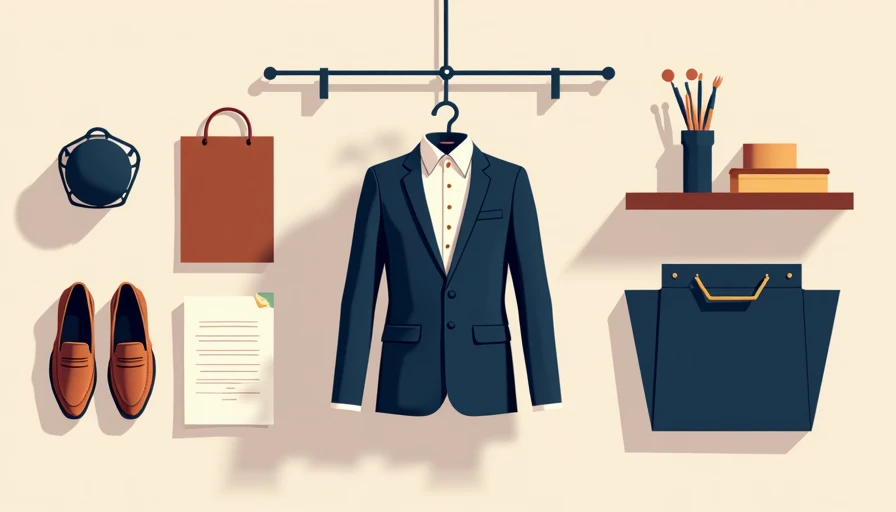
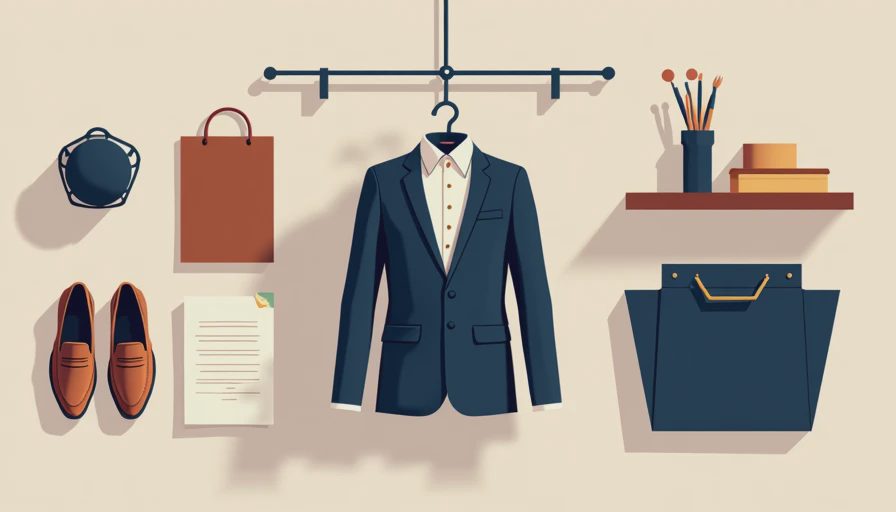
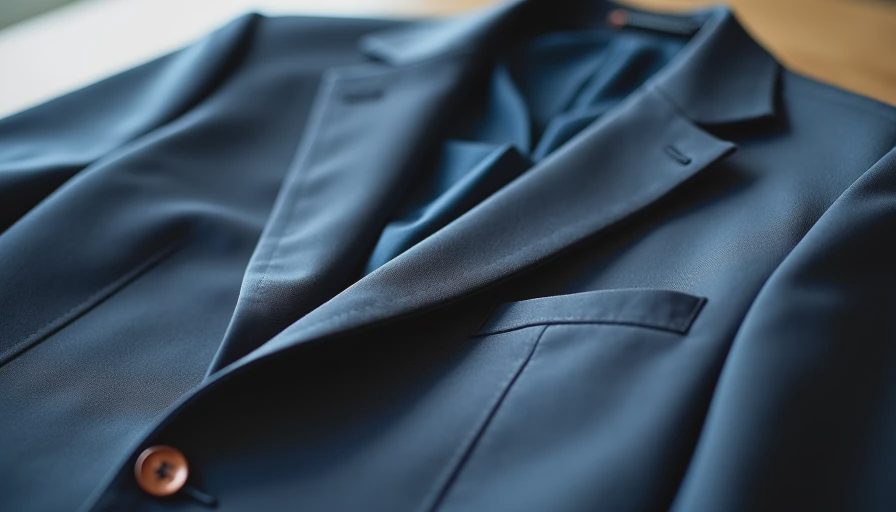
A practical casual business attire wardrobe starts with a jacket that fits comfortably when you sit, reach, and carry a laptop. Navy, charcoal, or a muted tan usually works across several outfits. You do not need sharp tailoring; you need a clean line and sleeves that do not constantly fall over your hands.
Next, choose two pairs of trousers. One can be a straight-leg black or navy pair, and the other can be a softer color such as olive, taupe, or gray. Add a dark, undamaged jean only if your workplace welcomes denim. A pair of leather loafers or simple flats gives you a professional foundation, while a low block heel offers another option for days when you want a little more structure.
The final workhorse is a simple top that does not require constant adjusting. Fine-gauge sweaters, washable blouses, and substantial knit shells are useful because they layer well. Look for fabric that is opaque and comfortable under a jacket. The goal is to open your closet and see several outfits, not five separate pieces waiting for a special occasion.
Outfit formulas for ordinary workdays
When I needed reliable casual business attire during long branch-manager days, I repeated formulas instead of inventing outfits at 6:30 a.m. One formula was ankle-length trousers, a tucked-in knit top, a belt, and loafers. Another was dark jeans, a striped shirt, a navy jacket, and simple flats. Both looked finished without feeling stiff.
For a presentation, use one more structured item than you think you need. That could be a blazer over a soft top or a polished shoe with relaxed trousers. For a day of desk work and school pickup, a cardigan can replace the jacket, but keep the rest of the outfit crisp. If your top is loose, choose a cleaner trouser. If your pants are wide or relaxed, a closer-fitting top helps the whole outfit look deliberate.
Color does not have to mean bright. A cream sweater with navy pants, a burgundy blouse with gray trousers, or a blue shirt with camel-colored pants can provide interest without becoming distracting. Three colors in one outfit is usually plenty for a busy workday.
How to handle denim, sneakers, and open offices
Denim is the item that causes the most confusion in casual business attire. Dark, even-colored jeans with a simple shape usually read more professionally than heavily faded, ripped, or embellished pairs. Wear them with a jacket or a refined sweater the first time, then observe how your workplace responds. Denim should look like a choice, not the first thing you grabbed from the weekend pile.
Sneakers require the same judgment. A clean leather pair or a low-profile knit style can work in some offices, particularly when paired with trousers and a structured layer. Running shoes, visibly worn soles, and loud athletic details belong elsewhere unless your workplace clearly says otherwise. Shoes often determine whether an outfit feels ready for a meeting.
Open-plan offices also make modesty and movement practical concerns. Test your outfit while sitting, bending to pick up a bag, and reaching for a high shelf. A blouse that looks fine standing in front of a mirror may gape at a conference table. Good casual business attire survives the workday, not just the elevator reflection.
Shopping without building a crowded closet
Before buying anything, write down three outfits you already wear and one situation your closet does not handle. Maybe you have plenty of tops but no layer for a client visit. Maybe every pair of pants needs a different shoe. That information is more useful than a shopping list based on trends.
I keep a cost-per-wear note on my phone for items over $50. A $120 jacket worn twice is expensive. The same jacket worn twice a month for a year becomes a much smarter purchase. Look for pieces that work with at least three items you own. A jacket that only works with one blouse is not a versatile jacket, regardless of how attractive it looks on the hanger.
Try sitting down before you buy. Check whether the waistband digs in, whether the jacket pulls across the back, and whether the hem lands sensibly with your usual shoes. Comfort is not a bonus in casual business attire; it is what keeps you from tugging, fidgeting, and thinking about your clothes during a meeting.
The five-minute morning check
Before leaving, look at the outfit as a whole rather than judging each item separately. Is one piece noticeably more formal than the others? Are your shoes clean? Does the bag look suitable for your workplace? Can you walk, sit, and reach without adjusting something every few minutes?
Then check the calendar. A casual outfit for internal work may need one upgrade for a client call, presentation, or interview. The upgrade can be small: a jacket, better shoes, a belt, or a more substantial top. You do not need a complete wardrobe change to look prepared.
My most useful rule is simple: casual business attire should remove decisions, not create them. Build two or three combinations that work on your busiest mornings, keep one polished layer nearby, and stop shopping for a fantasy work life. Good clothes, no drama. Your actionable takeaway is to photograph three outfits this week that already make you feel capable, then repeat the best one without apologizing for it.