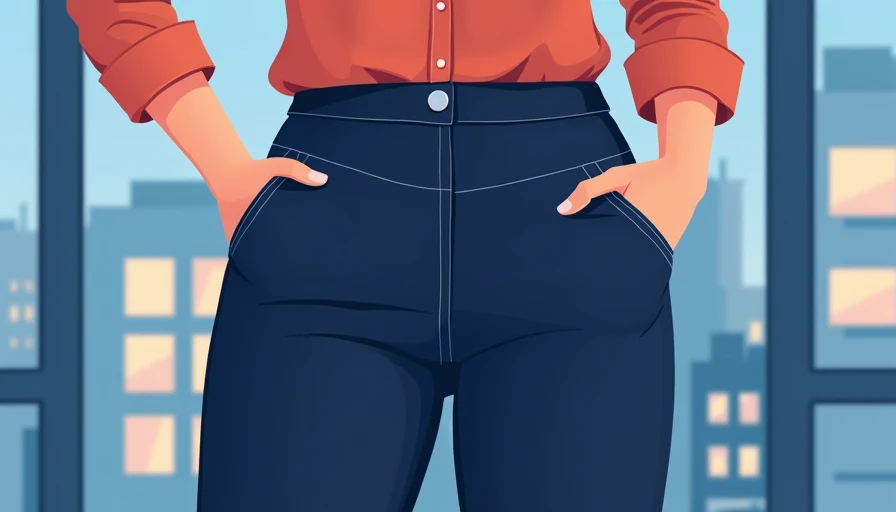
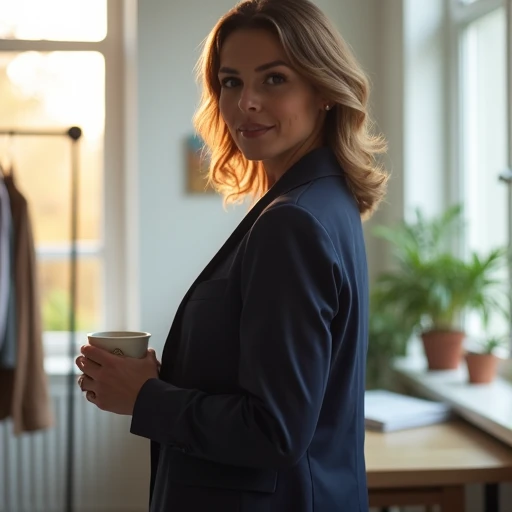
Tuesday, 9:45 a.m., client lobby. I was standing behind the reception desk in pants that looked fine in my bedroom mirror and felt completely wrong in a conference chair. The waistband pinched, the fabric wrinkled, and I kept tugging at my blouse instead of listening to the client. That is why business casual pants for women need to do more than look polished on a hanger. They need to sit, walk, bend, and get through a full workday without becoming the main event.
After 14 years in bank branches and client meetings, I learned that the best pair is usually not the most fashionable one. It is the pair you can wear with three tops, two jackets, and the shoes already by your door. Good clothes, no drama.
What Makes Pants Business Casual
Business casual pants for women usually land between formal suit trousers and casual denim. Think tailored ankle pants, straight-leg trousers, polished wide-leg pants, ponte pants, or a clean chino in a refined fabric. The line changes from office to office, so look at what people wear on an ordinary Wednesday rather than what appears at the holiday party.
Fabric does much of the work. Wool blends, ponte knit, stretch twill, and substantial polyester blends tend to hold their shape better than thin, clingy materials. A little stretch helps when you are driving to work or sitting through a two-hour meeting, but too much stretch can make pants look more like leggings. If you can see pocket bags, underwear lines, or every wrinkle after standing up, the fabric is asking too much of you.
Color gives you flexibility. Black, navy, charcoal, taupe, and medium gray can rotate through most professional wardrobes. A subtle check or dark olive can also work when the rest of the outfit is quiet. I would start with two neutral pairs before buying anything more distinctive.
Choosing a Rise, Leg, and Length
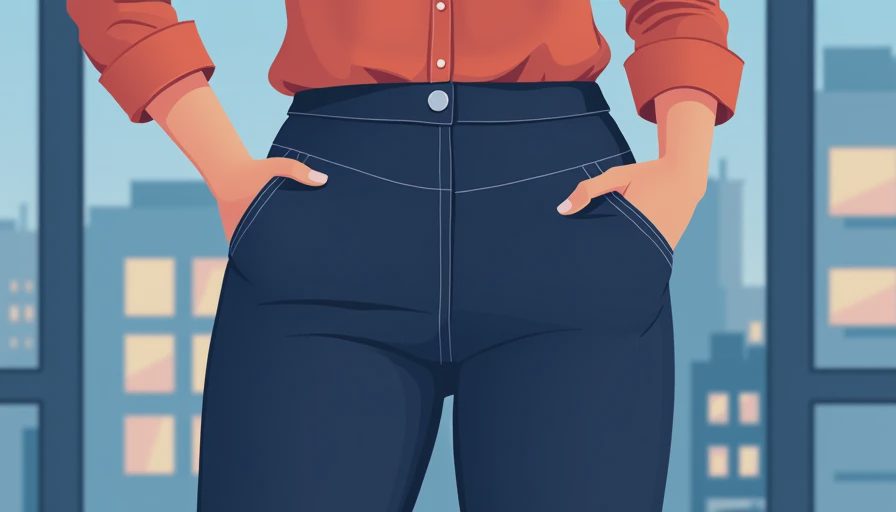
The rise is simply where the waistband sits. A mid-rise often works well with tucked shirts because it stays comfortable without requiring constant adjustment. A higher rise can create a clean line under a blazer, while a lower rise may suit an untucked sweater. The right choice is the one that stays put when you sit down.
For business casual pants for women, the leg shape should match your actual schedule. Straight-leg pants are dependable for client appointments because they look neat with loafers, pumps, or ankle boots. Wide-leg pants can look equally professional when the fabric drapes instead of standing stiffly away from the body. Ankle pants are practical for showing a little shoe, especially in warmer offices or when you walk between buildings.
Length deserves a real-life test. Sit in a chair, cross your ankles, and walk several steps. Cropped pants should end intentionally, not look as though they shrank in the wash. Full-length trousers should skim the top of your shoe without dragging on the floor. If tailoring costs $15 to $30, that can be money well spent on a pair you plan to wear twice a week.
Outfit Formulas That Do Not Require Much Thought
The easiest outfit is often business casual pants for women with a tucked knit top, a simple belt, and a structured jacket. A navy trouser with a pale blue shirt and brown loafers works for a regular office day. Switch the loafers for a low pump and add a blazer, and the same pants are ready for a client presentation.
Another reliable combination is a neutral trouser with a fine-gauge sweater. Choose a crew neck, V-neck, or mock neck without a large logo, then add a watch or small earrings. The outfit feels finished without looking overworked. In a warm office, a sleeveless shell under a cardigan gives you the same structure and is easier to manage during a commute.
If your workplace is relaxed, dark ponte pants can bridge the space between comfort and professionalism. Pair them with a button-front shirt and leather sneakers only when the sneakers are clean, minimal, and accepted in your office. A casual shoe can work; a gym shoe usually changes the entire message.
Shopping Without Buying a Closet Full of Mistakes
When shopping for business casual pants for women, bring the shoes you actually wear to work. A trouser that looks perfect with a two-inch heel may be too long for your flats. Also bring the blouse or blazer you plan to pair with it if you are shopping in person. The goal is not to admire one isolated garment. The goal is to see a complete Monday outfit.
Try sitting for at least five minutes. Check whether the pockets gape, whether the waistband rolls, and whether the knees become shiny or baggy immediately. Walk, climb a few steps, and reach for something on a shelf. Those small movements tell you more than a mirror pose.
I keep a cost-per-wear note on my phone for anything over $50. A $90 pair worn once is expensive. A $120 pair worn twice a week for a year is a much better purchase. Before checking out, name three tops and two shoes that work with the pants. If you cannot, the item is probably an orphan.
Brands and Price Points to Consider
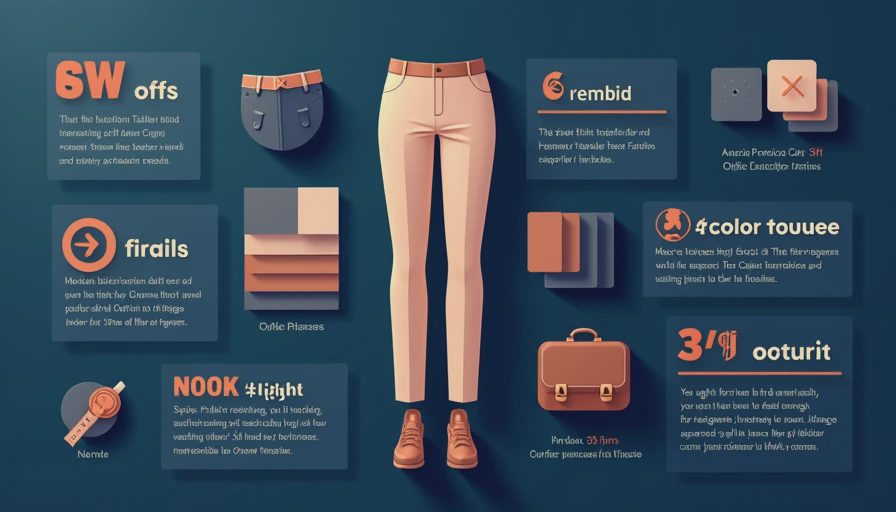
You do not need a designer label to find dependable work trousers. Uniqlo often offers simple, streamlined shapes at accessible prices. Banana Republic and J.Crew commonly sit in the midrange with fabrics and cuts suited to more traditional offices. Ann Taylor and Talbots are useful places to look for office-oriented trousers in multiple lengths. Athleta and Spanx are known for comfortable stretch-focused options, though some styles read more casual than others.
A reasonable starting budget is $40 to $80 for a basic pair, $80 to $150 for a more refined trouser, and more for a fabric or cut you know you will wear constantly. Sales can help, but do not let a low price persuade you to keep a pair that requires special undergarments, constant pressing, or shoes you never wear.
Sizing also varies widely between brands and even between fabrics. Ignore the number on the tag and judge the garment by how it feels and functions. A tailor can adjust a hem or waistband, but major pulling through the seat or hips usually means the cut is not right for you.
A Simple Five-Pair Work Rotation
A practical rotation might begin with black straight-leg pants, navy ankle pants, charcoal trousers, a soft neutral such as taupe or stone, and one comfortable ponte or stretch pair. That gives you enough variety for a full week without creating five separate styling problems.
Business casual pants for women become much easier to use when every pair has a partner already waiting. Black works with ivory, blue, burgundy, and gray. Navy pairs naturally with white, camel, pink, and striped tops. Gray gives a softer alternative to black, while taupe looks especially useful with cream, brown, denim blue, and olive.
Hang work pants with the matching jacket or place a complete outfit together on Sunday. This is not about becoming a person who loves planning clothes. It is about removing one decision from a morning that already includes coffee, traffic, and someone asking where their other shoe went.
The Meeting-Chair Test
Before buying business casual pants for women, ask one practical question: could I wear these through a meeting and forget about them? If the answer is no because they slip, pinch, wrinkle badly, or require constant smoothing, keep looking. Your clothing should support your attention, not compete for it.
Start with one dark neutral pair this week. Wear it with a blouse, sweater, and jacket you already own, then notice what works in your real schedule. That one honest test will tell you more than a crowded shopping cart ever will.