

Tuesday, 9:45 a.m., client lobby. I had a presentation in ten minutes and realized my jacket pulled every time I reached for my folder. It looked polished standing still, but business clothes have to work while you sit, walk, shake hands, and carry coffee. If you are asking what is business attire for a woman, start there: it is clothing that suits your workplace, feels intentional, and lets you focus on the conversation instead of your outfit.
The answer is not one rigid uniform. A bank branch, law office, marketing agency, hospital administration department, and hybrid workplace will each set a different standard. The useful goal is to look prepared without dressing like someone else. Good clothes, no drama.
What is business attire for a woman in a real workplace?
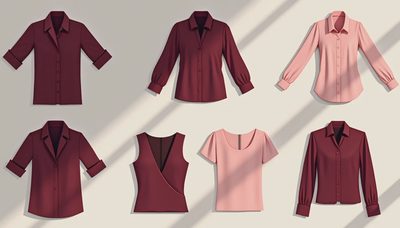
Business attire usually means clean, well-fitting clothing with a professional level of coverage and finish. In a traditional office, that can include a tailored blazer, trousers, a knee-length or midi skirt, a sheath dress, a button-front shirt, or a simple knit shell. Closed-toe flats, loafers, pumps, and modest block heels are common choices. Colors do not have to be black, navy, or gray, although those shades make easy foundations. Burgundy, forest green, camel, soft blue, and cream can look just as capable.
For a client meeting, I would choose trousers, a blouse, and a jacket before I would choose a complicated dress. That combination gives you options if the room is colder than expected or the meeting runs into lunch. For an internal day with no visitors, tailored ankle pants and a fine-gauge sweater may be enough. The clothing should not compete with the work, but it should show that you understood the setting.
A helpful test is to ask whether each piece would make sense in a conference room, at your desk, and during the walk from the parking lot. If the answer is yes, you are close.

Business professional versus business casual
One reason what is business attire for a woman feels confusing is that employers use the words business professional and business casual differently. Business professional is the more formal category. Think matching suit separates, polished trousers, a structured dress, a jacket, and conservative shoes. It is a sensible choice for interviews, presentations, court-related offices, financial meetings, and events where you do not know the dress code.
Business casual keeps the professional standard but relaxes the structure. You might wear dark trousers with a knit top, a blazer over a simple dress, or a cardigan with a tucked-in blouse and loafers. A neat shell under a jacket can replace a starched shirt. Dark, clean jeans may be accepted in some offices, but they are not a safe assumption for a first day or client appointment.
When the policy is vague, dress one small step more formally than the room. You can remove a jacket, roll a sleeve, or trade heels for flats. It is harder to make very casual clothing look more formal after you arrive.
The five pieces that make mornings easier
I built most of my office wardrobe around five dependable categories: one jacket, two pairs of trousers, one dress, two polished tops, and comfortable work shoes. That is not a shopping list you must buy at once. It is a framework that prevents the familiar closet problem of owning plenty of clothes but having nothing that works together.
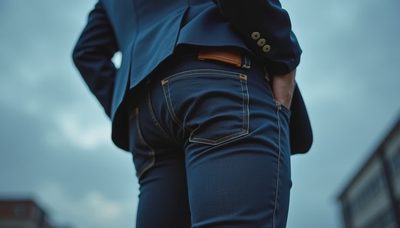
Start with a jacket that closes comfortably when you are seated. A blazer ending around the hip often works with both pants and dresses, but the most important detail is movement across the back and shoulders. Next, choose trousers with enough room to sit without constant tugging. Straight-leg, wide-leg, and ankle-length cuts can all look professional when the fabric holds its shape.
A simple dress is useful for mornings when you have school drop-off, a client appointment, and an evening event. Add a jacket for formal meetings and a cardigan for a quieter office day. For shoes, test the pair on a ten-minute walk before committing. A $90 loafer worn twice a week can be a better investment than a $180 pump that stays under your desk because your feet hurt.
How to choose an outfit for the occasion
For an interview, wear a jacket or another clearly structured layer, even if the company describes itself as casual. Navy trousers, a light blouse, and loafers are calm and reliable. A solid midi dress with a jacket works too. Avoid anything that needs adjusting every few minutes; interviews are difficult enough without monitoring a hemline.
For a presentation, choose pieces that read well from across the room. A jacket in a clear color, a simple neckline, and shoes that let you stand comfortably are practical choices. Small earrings or a watch can finish the outfit without creating noise. In my branch-manager years, I learned that the best presentation outfit was the one I stopped noticing after the first five minutes.
For a regular office day, what is business attire for a woman can be as straightforward as trousers, a tucked-in knit top, and loafers. If your workplace is creative, you may have room for a patterned blouse or a refined flat. If it is conservative, keep the pattern smaller and add a jacket. The dress code is a range, not a daily exam.

Common mistakes that are easy to fix
The first mistake is buying for an imagined version of work instead of your actual calendar. If you have three days of meetings and two days at a desk, your wardrobe needs both polish and comfort. The second is ignoring fabric behavior. A shirt that wrinkles after one car ride will not feel professional at 3 p.m., even if it looked perfect at 7 a.m. Look for fabrics that recover from sitting and do not require constant steaming.
Another issue is fit confusion. A garment does not need to be expensive or brand-name to look sharp. It needs a hem that works with your shoes, sleeves that do not swallow your hands, and a waistband that stays comfortable through lunch. A $20 alteration can rescue a $60 pair of trousers. Try sitting, reaching, and lifting your arms before removing the tags.
Finally, do not treat comfort as a reward you earn after looking professional. Comfortable shoes, a breathable layer, and a bag that holds your essentials make it easier to show up well. What is business attire for a woman if it cannot survive a full workday? It is only a costume, and you deserve better than that.
A simple formula for getting dressed
When you are standing in front of the closet, begin with the calendar rather than the weather or your mood. Identify the most formal moment of the day. Then choose one anchor piece: a jacket, dress, or polished pair of trousers. Add a simple top, practical shoes, and one finishing detail such as a watch, belt, or small earrings.
Before leaving, check the outfit in a mirror while sitting down. Make sure the neckline stays comfortable, the jacket does not pull, and the shoes are realistic for your commute. Put a backup cardigan or pair of flats in the car if your schedule changes often. This two-minute check has saved me from more than one uncomfortable client meeting.
If you still wonder what is business attire for a woman, remember the standard I used for fourteen years in front of customers: appropriate for the room, comfortable enough to forget, and polished enough to support the work. Choose one outfit for your next real obligation, test it through a full day, and write down what worked. That is how a professional wardrobe gets built—one useful morning at a time.