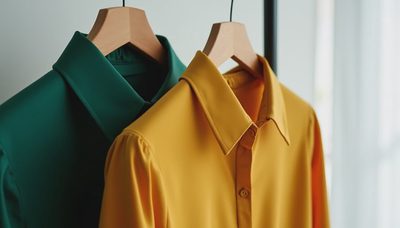

Tuesday, 9:45 a.m., client lobby. I was carrying a coffee, a folder, and the quiet panic that comes from realizing my blouse had become transparent under bright office lighting. That was the day I started paying closer attention to business casual tops women actually wear through a full workday, not just tops that look polished for ten minutes in a fitting room.
After 14 years in bank branches and conference rooms, I learned that a good work top has a simple job: it should help you feel prepared without asking for attention. The neckline stays put when you lean over a laptop. The fabric survives a commute. The color works with at least two jackets or pairs of trousers. Good clothes, no drama.
What makes a top business casual
Business casual sits between formal suiting and everyday clothes. The exact line depends on your workplace, but a useful starting point is a top with clean construction, reliable coverage, and fabric that holds its shape. A silk-blend shell, fine-gauge sweater, crisp button-front shirt, or polished knit can all work. A thin tee, beachy linen camisole, or sweatshirt usually needs another layer to look office-ready.
The easiest test is the three-question check I used before opening the branch: Would I wear this to a client conversation? Can I sit, reach, and raise my arms comfortably? Does it look intentional without a blazer? If the answer is yes to all three, you have a useful foundation. If the top only works under a jacket, that is fine too; just treat the jacket as part of the outfit rather than an emergency cover-up.
For business casual tops women often need more than one level of polish. A soft knit can work on an internal meeting day, while a structured blouse makes sense for a presentation. You do not need separate wardrobes. You need a few dependable pieces that change roles with trousers, cardigans, and jackets.
Five reliable top styles for the workweek
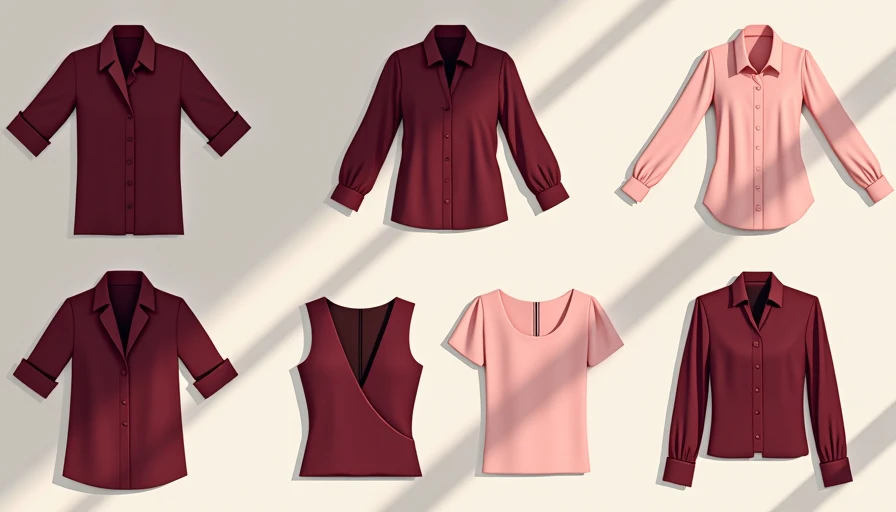
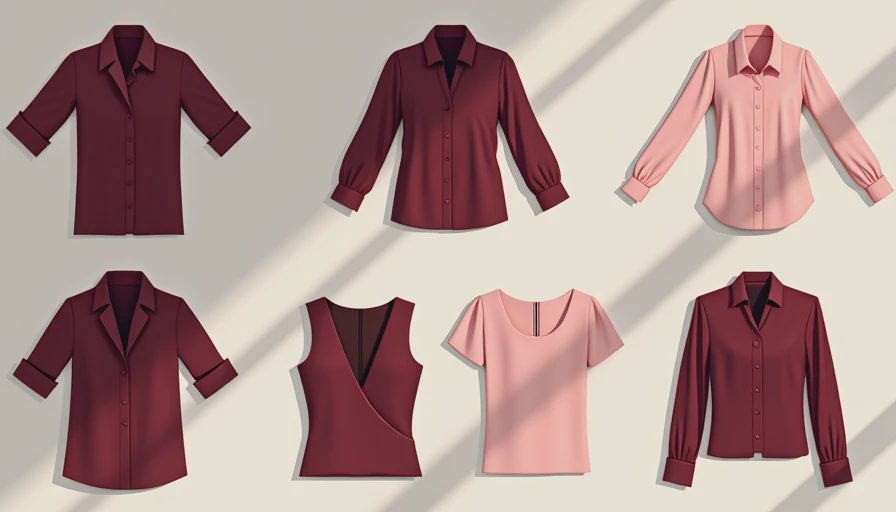
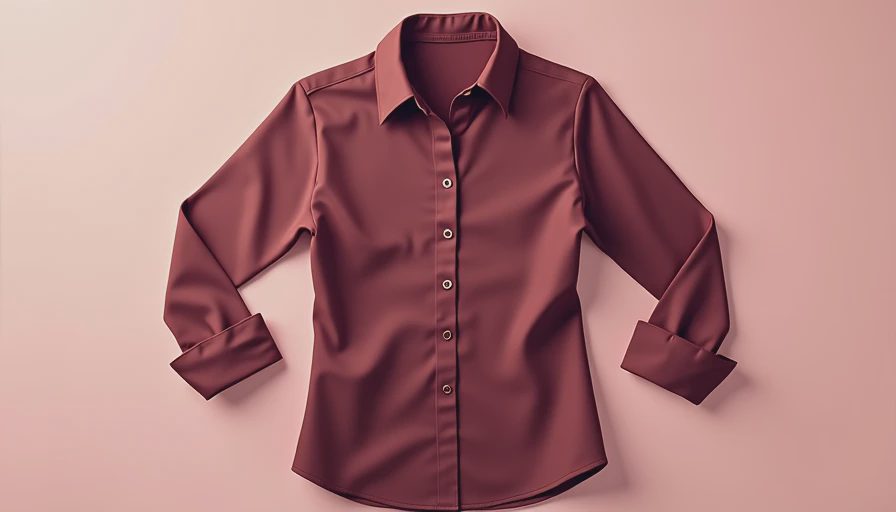
The button-front shirt is still one of the best business casual tops women can buy because it gives instant structure. Look for cotton poplin, rayon, or a cotton blend with enough movement to sit comfortably. Pale blue, white, soft gray, and navy combine easily with black pants and camel or charcoal jackets. If gaping is an issue, try a hidden snap, a slightly relaxed cut, or a camisole underneath rather than sizing up everywhere.
A knit shell is the quiet workhorse. It has no collar to fuss with and slides neatly under a blazer. Brands such as J.Crew, Boden, Banana Republic, and Ann Taylor regularly offer versions in smooth knits, though the best choice is the one that does not cling, pill, or require constant adjusting. A shell in burgundy, deep green, or muted blue can make a neutral suit feel less predictable.
The refined short-sleeve blouse is useful when Nashville humidity makes a jacket unreasonable. Look for sleeves that cover the shoulder and a neckline that stays modest when you bend toward a conference table. A subtle pleat or drape adds interest without making the garment difficult to style.
A fine-knit sweater works well for offices that run cold. Merino, cotton, and washable blends are practical choices. Crew necks feel classic, V-necks create room for a necklace or scarf, and a neat polo collar can look sharp with wide-leg trousers. Avoid overly chunky knits when you need to layer; they tend to bunch beneath a blazer.
Finally, consider a blouse with one controlled detail: a tie neck, covered buttons, or a gentle pleat at the shoulder. One detail is enough. When I was buying business casual tops women could wear for presentations, I looked for interest near the face but avoided anything that needed a styling tutorial at 7 a.m.
Build outfits instead of collecting tops
The most useful top is not necessarily the most memorable one. It is the piece that works with what you already own. Try one navy shell with gray trousers, a pencil skirt, dark jeans if your office permits them, and a camel cardigan. That is four outfits before you buy anything else. A white shirt can move from black trousers to olive chinos to a navy suit simply by changing the shoes and layer.
For a normal Monday, pair a fine-knit sweater with ankle trousers and loafers. For a client meeting, use the same trousers with a smooth shell, a structured blazer, and low block heels. On casual Friday, wear the button-front shirt untucked over straight-leg dark denim, provided that fits your office rules. Business casual tops women can rely on should make these changes easy, not force you to reinvent the entire outfit.
Pay attention to where a top ends when you are sitting. A hem that looks perfect while standing may ride up under a desk or bunch beneath a belt. Try the garment in a chair before removing tags. Reach for a notebook, cross your legs, and check whether the sleeves stay comfortable. Those thirty seconds tell you more than a mirror pose.
Fabric, fit, and the cost-per-wear test
Fabric determines whether a top earns space in your closet. Polyester blends can be excellent when they breathe and resist wrinkles, but some feel warm under office lights. Cotton is comfortable and familiar, though it may need ironing. Rayon drapes nicely but can require careful washing. Merino handles temperature changes well, while washable silk looks beautiful but demands more attention.
I keep a cost-per-wear note on my phone. A $70 top worn once is expensive. A $110 shell worn twice a month for two years is a practical purchase, especially if it still looks good after laundering. Before buying, ask whether the top works with at least three bottoms and two layers. If not, it is probably an orphan, no matter how appealing it looks on the hanger.
Fit is about movement and proportion, not a particular size or body type. Shoulder seams should sit where your shoulder naturally ends. Buttons should lie flat. Cuffs should not interfere with typing. The hem should stay tucked or fall cleanly, depending on how you intend to wear it. Alterations such as shortening sleeves or adding a discreet snap can rescue an otherwise excellent piece.
A simple shopping plan
Start with two neutral tops, one color, and one layer-friendly sweater. For example, choose an ivory shell, a blue button-front shirt, a muted berry blouse, and a navy fine-knit sweater. That small group can support a week of outfits when paired with black, gray, tan, or navy bottoms.
When comparing business casual tops women can wear year-round, read the care label before looking at the sale price. A $35 blouse that must be dry-cleaned after every wear may cost more in time and money than a $75 washable knit. Also check opacity in natural light, especially with white, cream, and pale pink fabrics. A nude camisole is useful, but it should not be required to make every top presentable.
Shop with one real workday in mind. If you have a morning commute, a lunch meeting, and an afternoon presentation, choose the top that can handle all three. Take a photo of your existing trousers before shopping if you need a reminder of your actual colors. The goal is not a larger wardrobe. It is fewer moments spent standing in front of the closet wondering what counts as appropriate.
The one takeaway
Choose business casual tops women can wear comfortably for eight hours, style with at least three existing pieces, and trust in a real meeting. Start there, then track which tops you reach for repeatedly. Your closet will tell you what works faster than any trend report.