
Tuesday, 9:45 a.m., I was walking from a client lobby to the conference room when I noticed my outfit had become the meeting. My blazer sleeve was too tight, my shoes were making me walk carefully, and Nashville’s humidity had already undone my carefully smoothed hair. That experience taught me what Nashville fashion trends should actually do: help you feel prepared without creating another problem to manage.
After 14 years in banking, I learned that dressing well is less about buying the newest thing and more about understanding your day. You might have a school drop-off, a video call, a client lunch, and a songwriter night on the calendar. Your clothes need to move between those moments. Good clothes, no drama.
What Nashville Style Looks Like in an Actual Week
The most useful Nashville fashion trends are practical because the city asks a lot from your wardrobe. Summers are hot and sticky. Winters can shift from a mild morning to a cold afternoon. Offices often run cold, while patios, parking lots, and outdoor events feel completely different. A good outfit has to handle those transitions.
I think of local style as polished ease: a clean button-down with straight-leg jeans, a lightweight blazer over a knit top, or a simple dress with a practical shoe. There is room for Western influence, but it does not need to look like a costume. A leather belt, small boot, suede texture, or silver jewelry can give an outfit a Nashville point of view without taking over the room.
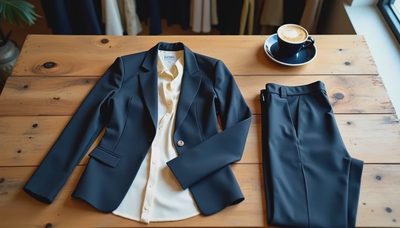
For work, start with pieces that can survive sitting, walking, and reaching across a table. A navy or camel jacket, ankle-length trousers, dark denim, and washable tops will earn more wears than a dramatic item that only works for one dinner. The test is simple: can you wear it for eight hours and still want to be wearing it at 5 p.m.?
The Workwear Pieces That Earn Their Hangers
One of the most reliable Nashville fashion trends is the relaxed blazer. Not oversized to the point of looking borrowed, and not so fitted that you cannot button it comfortably. Look for a jacket with enough room across the shoulders and sleeves that end near the wrist bone. When you sit in a client chair, the jacket should stay neat instead of pulling across your back.
A lightweight fabric matters here. Linen blends, tropical wool, ponte, and washable stretch materials can look professional while handling a warm commute. Brands such as J.Crew, Banana Republic, M.M.LaFleur, and Nordstrom house labels often offer useful versions at different price points, but the label matters less than the fabric, lining, and fit.
Shoes deserve the same practical attention. A low block heel, polished loafer, pointed flat, or sleek ankle boot can work with trousers and dresses. If you take the stairs, walk through a parking garage, or stand during a presentation, comfort is not a bonus. It is part of looking composed. I would rather see a $90 loafer worn three times a week than a beautiful $250 heel waiting for a day that never arrives.
Adding Nashville Personality Without Losing Professional Polish
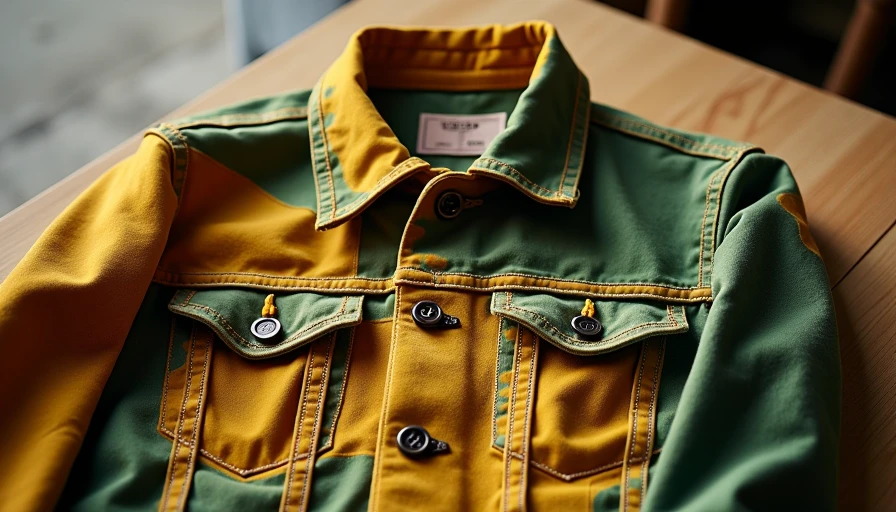
Nashville fashion trends often borrow from music, vintage stores, and the city’s casual Southern rhythm. You can use that influence in small doses. Try a denim shirt under a tailored jacket, a boot with a narrow toe, a pearl-and-metal earring combination, or a belt with a restrained Western buckle. These details make a basic outfit feel intentional.
The key is choosing one noticeable point at a time. If you wear a statement boot, keep the rest quiet. If your jacket has fringe, embroidery, or strong hardware, pair it with straightforward trousers and a simple top. This is not about avoiding personality. It is about giving the outfit a clear sentence instead of several competing ones.
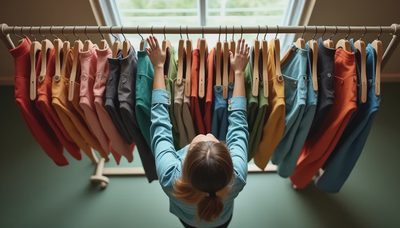
For a client-facing workplace, color can do the same job. Rust, dusty blue, olive, cream, and soft red work beautifully with navy, denim, gray, and brown. A colored blouse under a neutral suit can feel more personal than another black shell while remaining easy to coordinate.

A Closet Formula for Heat, Meetings, and Dinner Plans
A useful Nashville wardrobe needs layers that can be removed quickly. Start with a breathable base: a cotton poplin shirt, smooth knit tank under a cardigan, or short-sleeved midi dress. Add a layer for air-conditioning, such as a cotton jacket or fine-gauge sweater. Finish with shoes that match the amount of walking you expect.
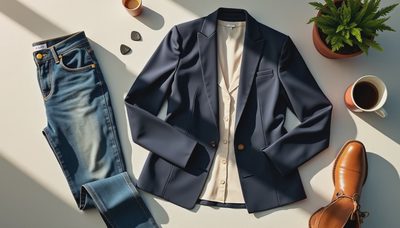
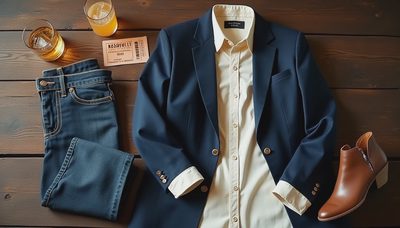
For example, a Thursday outfit could be dark straight-leg jeans, a cream knit top, a tobacco-colored belt, a navy blazer, and loafers. At work, the blazer provides structure. After work, remove the jacket and add a small crossbody bag. The same outfit can move from a conference room to a casual meal without requiring a full change.
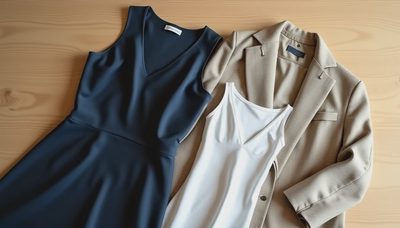
On a more formal day, try wide-leg trousers with a tucked-in knit top and low heels. “Wide-leg” simply means the trouser stays roomy from the hip through the hem; the practical question is whether the fabric hangs cleanly when you sit. A dress can be just as easy, especially one with pockets and a washable fabric. Keep a cardigan or jacket nearby because office temperature rarely follows the outdoor forecast.
Shopping With Cost Per Wear in Mind
I keep a cost-per-wear note on my phone for every item over $50. A $160 blazer worn 80 times costs $2 per wear. A $60 top worn twice costs $30 per wear, even if the original price looked like a bargain. This little calculation makes Nashville fashion trends easier to evaluate because it shifts attention from novelty to usefulness.
Before buying, picture three specific outfits using clothes you already own. If you can name them, the item has a better chance of becoming part of your wardrobe. If the only plan is “I will figure it out later,” leave it for now. The same rule works for boots, denim, dresses, and statement accessories.
Check the care instructions, too. A dry-clean-only blouse may be lovely, but it needs a realistic place in your week. If you are managing work, errands, family schedules, and a social life, washable clothing often provides more value than a delicate piece that stays in the closet.
The One Outfit Audit I Recommend
On Sunday, choose one demanding day from the week ahead. Maybe you have a presentation, a school pickup, and dinner afterward. Build the outfit completely, including undergarments, shoes, bag, and layer. Sit down, walk around your home, reach forward, and check whether anything needs constant adjusting.
Then take a quick phone photo. Not for criticism; use it as a record. The picture will show whether the proportions feel balanced, whether the jacket ends at a useful place, and whether the shoes belong to the day you actually have planned. Make one change, not five. Often the fix is a different shoe or a lighter layer, not a new shopping trip.
That small practice is where Nashville fashion trends become personal style. You are not trying to copy a storefront or dress like a different person. You are learning which combinations support your work, weather, and evenings. Start with one outfit that can handle your busiest day, and let that be your actionable takeaway: build for the life already on your calendar.