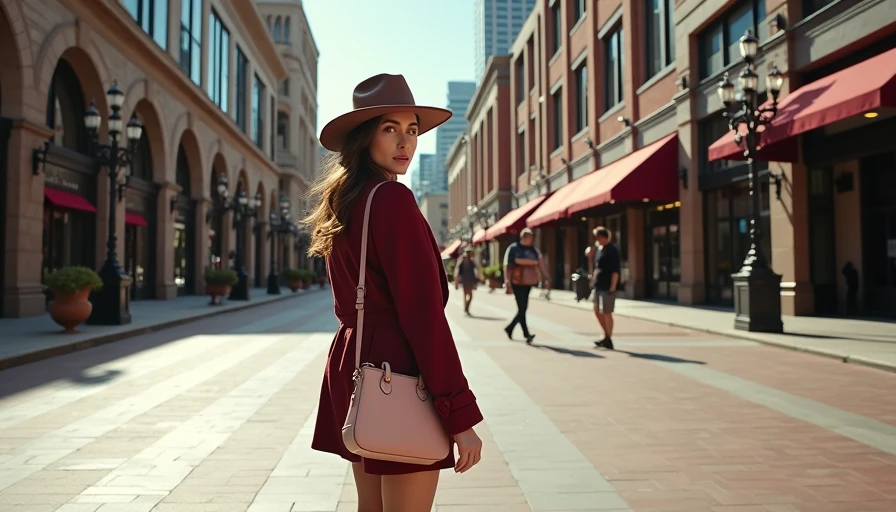

Tuesday, 9:45 a.m., and I am sitting in a client lobby wondering whether my jacket looks intentional or simply wrinkled. That is the real starting point for modern fashion Nashville: clothes have to work in actual rooms, not just in photographs. You need outfits for humid walks to the car, conference tables, school pickup, and the occasional dinner where you do not want to look like you came straight from the office.
After 14 years in banking, I learned that polished dressing is rarely about owning more. It is about having a few reliable pieces that cooperate. A good jacket, comfortable shoes, and a shirt that survives a full day can do more than a closet full of exciting purchases. Good clothes, no drama.
What modern fashion Nashville looks like in real life
Nashville style has room for personality, but professional dressing still benefits from restraint. The most useful outfits sit between rigid corporate suiting and weekend casual. Think a soft blazer over a fine-gauge knit, straight-leg trousers with a crisp cotton shirt, or a midi dress with a practical jacket and low block heel.
The point is not to erase your personality. If you like turquoise jewelry, wear one strong piece. If denim is part of your daily uniform, choose a dark, clean pair for casual offices rather than trying to force yourself into uncomfortable pants. Modern fashion Nashville works because it allows polished basics and local ease to share the same closet.
Color helps, especially in a city where black can feel heavy during a bright summer afternoon. Navy, camel, olive, cream, denim, and chocolate brown give you variety without creating complicated outfit math. Add one accent color through a handbag, scarf, shoe, or blouse. When everything coordinates, getting dressed at 7:10 a.m. takes less thought.
Build a Nashville work wardrobe around three outfit formulas
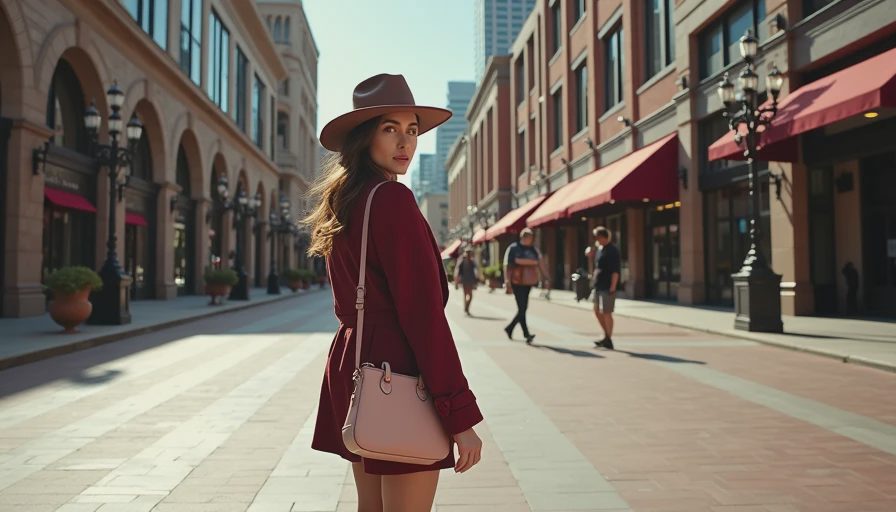
The first formula is the client-day uniform: tailored trousers, a simple top, and a jacket. A navy blazer with cream trousers feels less severe than a complete suit, while still giving you structure when you are presenting or meeting someone new. Keep a lint roller and a small stain pen in your desk drawer. Practical beats precious.
The second is the dress-and-layer formula. A solid knit dress can handle a presentation, lunch, and an evening event when you add a belt, cardigan, or blazer. Choose a length that lets you sit comfortably and a fabric that does not require constant adjustment. A dress earns its place when it works with at least three different layers and two pairs of shoes.
The third is polished casual: dark denim, a tucked-in blouse, a relaxed jacket, and loafers or clean sneakers. This is especially useful for creative offices, Friday meetings, and days when you are moving between errands and work. The modern fashion Nashville version is not sloppy casual. It is casual with evidence of a plan.
Before buying anything, photograph three outfits you already wear and three combinations you wish worked. The gap usually reveals what you need. Often it is not another top. It is a jacket that fits over your clothes, a belt in the right color, or shoes that can handle a parking lot and a boardroom.
Shopping without turning your closet into a project
Nashville offers plenty of places to browse, but I would start with a specific mission rather than a free-ranging Saturday shopping trip. Write down the item you need, your maximum price, and the three pieces it must work with. This prevents the familiar purchase that looks beautiful on a hanger but has no partner at home.
For a first blazer, a realistic budget can range from about $80 to $250, depending on fabric, construction, and how often you expect to wear it. A $140 jacket worn twice a month for two years costs less per wear than a $45 novelty piece worn once. I keep cost-per-wear notes on my phone for anything over $50, and I start feeling good about a blazer when it approaches $2 per wear.
Try clothes while standing and sitting. In a store, sit in a client chair if one is available, reach forward as if using a laptop, and check whether the sleeves still feel comfortable. Proportion simply means the garment ends in a useful place when you are moving. A jacket that looks fine standing may bunch at the waist when you sit through a 45-minute meeting.
For modern fashion Nashville, local boutiques can be useful for distinctive accessories and event clothing, while department stores and dependable online retailers often make basics easier to compare. You do not need to shop exclusively in one place. Use each source for what it does well, and keep your return deadlines visible.
Dress for Nashville weather without losing polish
Weather is part of the wardrobe equation here. Summer heat and humidity punish heavy lining, clingy fabrics, and shoes that cannot survive a walk from the parking garage. Look for cotton blends, washable knits, linen blends, and lightweight wool for cooler months. A breathable undershirt can make a lined jacket much more comfortable during a long day.
Layers are the answer to aggressive office air conditioning. Keep a cardigan or unstructured blazer at work instead of relying on the jacket you wore outside. A lightweight trench or water-resistant coat also earns its space during wet commutes. The goal is not a perfect outfit for one temperature; it is an outfit that can adjust between the sidewalk, office, car, and restaurant.
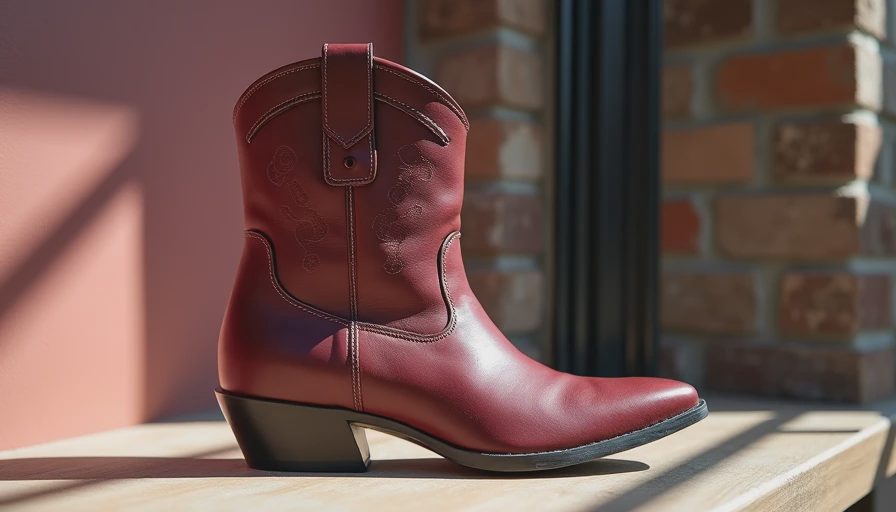
Shoes deserve an honest test. Walk for five minutes before deciding, and do not confuse a soft upper with a supportive sole. Loafers, low block heels, refined flats, and clean leather sneakers cover most professional situations. Carrying backup shoes is sensible, not excessive, when your day includes a downtown walk or an event after work.
The details that make simple clothes look intentional
Fit and finishing usually matter more than labels. Hem trousers so they do not pool over your shoes, replace loose buttons, and remove temporary stitching from vents and pockets. Steam a shirt before wearing it. These small tasks are the difference between clothes that look abandoned and clothes that look chosen.
Accessories should support the outfit rather than compete with it. Medium-size earrings, a structured tote, a leather belt, and a watch can make basics feel complete. If your clothing is patterned, simplify the accessories. If your outfit is quiet, let one accessory carry the interest. Modern fashion Nashville is not a requirement to look distinctive from every angle; it is permission to look like yourself with a little more intention.
A useful test is to stand in front of a mirror and ask whether you would feel comfortable walking into an unexpected meeting. If the answer is no because the top is too fussy, the shoes hurt, or the jacket needs constant fixing, the outfit is not finished. Comfort is part of polish because discomfort changes how you move and speak.
A simple reset for your closet this weekend
Start with one category, not the whole closet. Pull out your work jackets, for example, and try each one over the tops you actually wear. Put the successful combinations together on one side. Set aside pieces that need tailoring, repairs, or a partner you do not own. Do not buy the partner until you know how often you would wear the original item.
Then choose five repeatable outfits for the coming week. Include one client-ready option, one polished casual option, one weather-flexible layer, and two combinations built from your easiest pieces. Take quick phone photos. On a rushed morning, those photos are more helpful than a crowded closet.
Modern fashion Nashville is at its best when it reduces decisions instead of creating them. You can have personality without chasing every trend, and you can look professional without dressing like someone else. My actionable takeaway is simple: choose one outfit formula, photograph three versions, and wear those versions before buying anything new.