
Tuesday, 9:45 a.m., client lobby. I was reaching for a folder when I noticed the sleeve of my blazer had swallowed half my hand. The jacket was expensive, clean, and completely wrong for the job. That is where fashion alterations Nashville can save a working wardrobe. A few inches in the right places can turn an almost-right garment into the piece you reach for before an important meeting.
I learned this during 14 years in bank branches and conference rooms. Fit was never about chasing a trend or changing your body. It was about whether a jacket stayed comfortable while sitting, whether trousers broke neatly over a shoe, and whether a blouse remained in place when you leaned across a desk. Good clothes, no drama.
What a tailor can change
The most useful alterations are often small. A tailor can shorten sleeves, adjust a hem, take in a waistband, narrow a trouser leg, replace a zipper, or move a button. A jacket that feels boxy may need shaping at the side seams. A skirt that rides up while you walk may need a different hemline or a better lining. The goal is not to remake every garment. It is to remove the one irritating detail that keeps it in the closet.
When comparing fashion alterations Nashville providers, ask whether the tailor works regularly with professional clothing. Suit jackets, lined dresses, wool trousers, silk blouses, and structured coats require different handling. A person who is excellent with denim may not be the right choice for a lined blazer. Look for clear explanations, a fitting process, and a willingness to tell you when an alteration is not worth the cost.
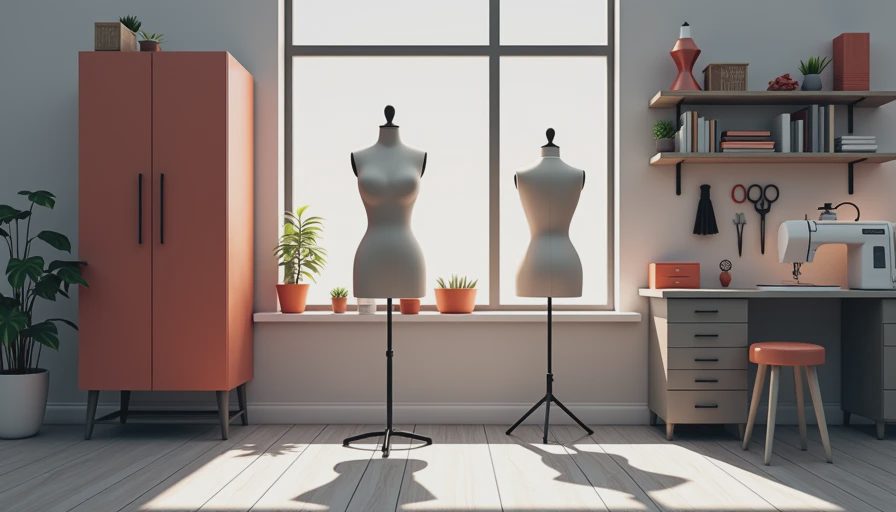
Start with the pieces you already wear
Before booking an appointment, pull five garments from your closet: the blazer you almost love, the trousers you wear every Monday, the dress reserved for presentations, a skirt, and one blouse. Try each on with the shoes and undergarments you normally use. Sit down, reach forward, raise your arms, and walk across the room. Notice the specific problem instead of deciding that the whole garment is wrong.
A jacket may look fine standing up but pull across the back when you sit. Trousers may fit at the waist but need a hem for your usual loafers. A dress may need only a strap adjustment so the neckline sits comfortably. Write down each issue. This makes a fashion alterations Nashville consultation faster and helps you avoid paying for changes you do not need.
Bring the shoes you will wear with the garment. A two-inch heel and a flat do not create the same trouser length. If you want a piece to work with both, ask about a practical hem that suits the shoe you wear most often. Bring the bra or camisole you normally wear under the top as well. Fit is measured in real life, not in a changing room with different layers.
Typical prices and smart spending
Alteration costs depend on construction, fabric, and the amount of handwork involved. Simple trouser hemming often falls around $15 to $30. Sleeve shortening can run roughly $25 to $60, while taking in a lined jacket may cost $50 to $120 or more. Dress adjustments commonly land between $30 and $100, depending on the seams, lining, and design.
Those numbers become easier to judge when you use cost per wear. A $45 adjustment on a $180 blazer worn twice a month for three years is a sensible wardrobe investment. A $75 repair on a dress you have not worn in two years probably deserves a pause. Fashion alterations Nashville services are most valuable when they rescue reliable clothes, not when they persuade you to save every disappointing purchase.
Ask for an estimate before work begins. Confirm the pickup date, whether a second fitting is included, and what happens if the final fit needs a small correction. Reputable professionals will usually explain the tradeoff between a clean result and the garment's construction rather than promising that every change is simple.
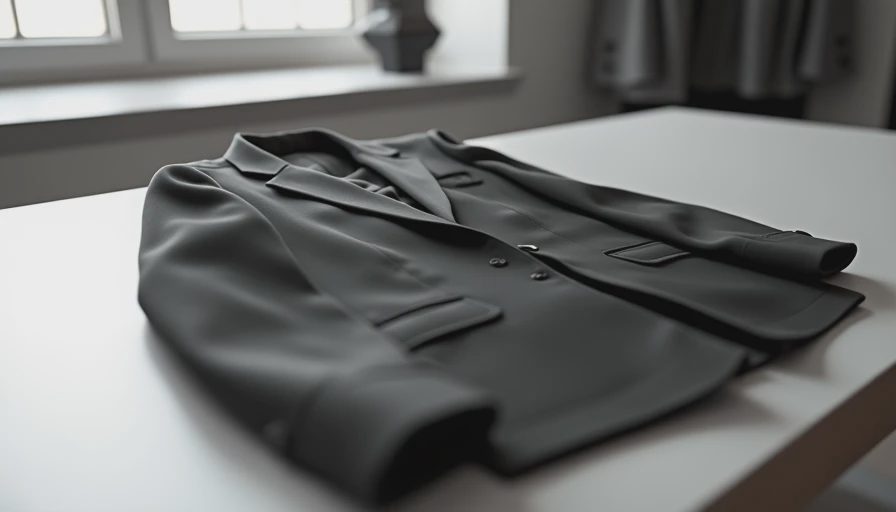
How to choose a Nashville tailor
Search for fashion alterations Nashville recommendations from coworkers, neighbors, or local clothing stores, then read reviews for details about communication and finished work. A review that says the tailor handled a bridesmaid dress tells you something different from one praising trouser hems. You want evidence that the shop has worked on garments similar to yours.
At the first visit, notice whether the person asks how you plan to wear the item. A jacket for daily banking, a dress for a wedding, and trousers for a standing presentation have different requirements. The tailor should pin or mark the garment while you move, not only while you stand in front of a mirror. That simple step often reveals where comfort and appearance meet.
Nashville has a mix of office wardrobes, hospitality uniforms, event clothing, and creative workwear. A good local professional understands that “polished” does not mean identical. You can ask for a relaxed sleeve, a conservative hem, or enough room to sit comfortably without being steered toward a completely different style.
Alterations for a real workweek
If your calendar includes school drop-off, a commute, and an afternoon client meeting, prioritize clothes that behave. A blazer should close without constant tugging. Trousers should stay in place when you stand and sit. A skirt should allow a normal stride. These are not minor details when you wear the garment for eight hours.
For a capsule wardrobe, start with pieces that cross several settings. A navy blazer can work with trousers, a knit dress, or dark jeans for a casual Friday. A hemmed pair of straight-leg pants can serve with loafers and modest heels. A simple sheath dress becomes more useful when the straps and waist sit correctly. Fashion alterations Nashville appointments can make a small wardrobe feel larger because each piece earns more wear.
Do not bring every item at once. Two or three garments give you time to evaluate the work before scheduling a larger batch. Take mirror photos before and after, not to criticize yourself, but to remember what changed. Often the improvement is subtle: the shoulder sits quietly, the sleeve stops at the wrist, and the outfit no longer asks for your attention.
Your one useful next step
Choose one garment you like but avoid, and schedule fashion alterations Nashville help for that piece first. Write down the exact problem, bring the right shoes, and ask for a price before approving the work. If the finished item makes your next Monday morning easier, repeat the process with the next reliable piece.
That is how a professional wardrobe gets better without becoming complicated. You do not need more clothes, a fashion degree, or a closet full of labels. You need clothing that fits the life you actually lead. Good clothes, no drama.