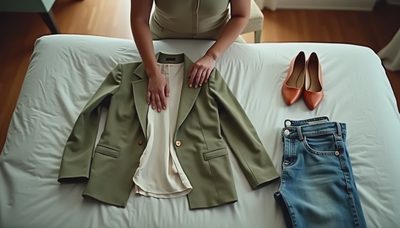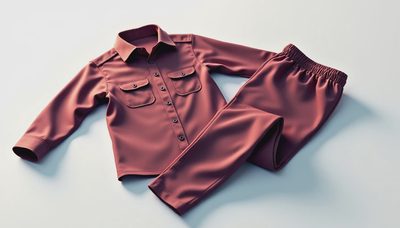
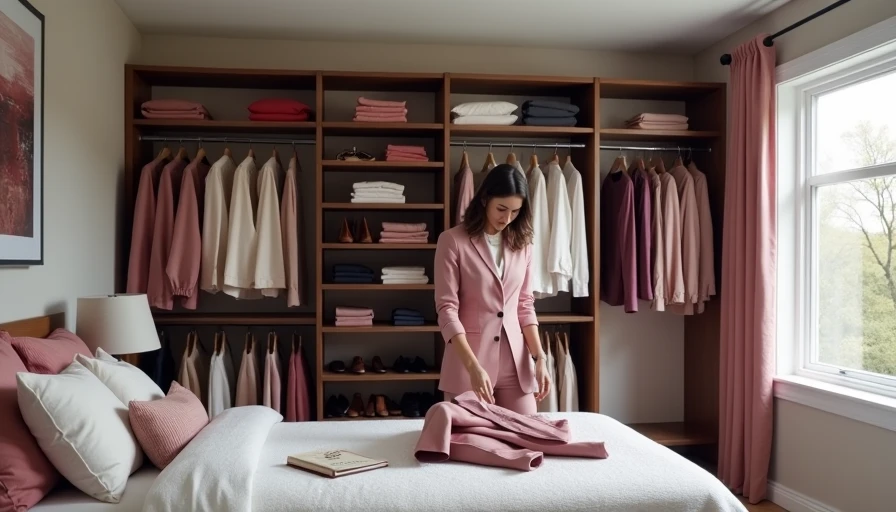

Tuesday morning, 8:10, coffee in one hand and laptop in the other, and you are staring at a closet that looks busy but still gives you nothing to wear. I have been there. The cleanest answer I found, after 14 years in a client-facing job, was learning how to make a capsule wardrobe for work that could handle a meeting, a long lunch, and a surprise visit from a regional manager without making me think too hard. The goal is not a tiny closet. The goal is fewer decisions and better outfits.
Start with the week, not the closet
Before you buy anything, look at your real calendar. If your week includes two client meetings, one presentation, one office day, and one remote day on camera, that is your wardrobe brief. A work capsule should match that rhythm, not some fantasy life where every day is polished and dry-clean only. I like to start with three outfit formulas that repeat: blazer and trouser, sweater and skirt, shell and straight leg pant. When those three work, the rest gets easy. You are not building a style museum. You are building a Monday-through-Friday system.
Think in pieces, not piles. A good starting point is two jackets, three tops, two pants, one skirt or dress, and two pairs of shoes you can actually stand in. That is enough to create more than a dozen combinations if the colors play nicely together. If you work in a bank, law office, sales role, or any place where people notice polish fast, this is usually more useful than buying five random tops on sale and hoping for the best.
Choose a color lane you can repeat
This is where most closets go sideways. They have one great navy blazer, one olive blouse, one burgundy pant, and one black shoe that does not really go with anything. Pick a color lane and stay in it. For most office wardrobes, that means one dark anchor, one light neutral, and one soft accent. Navy, black, charcoal, camel, ivory, and white are the easy players. Add one color you enjoy wearing, like wine, teal, or soft blue.
That is also where fabric matters. A blazer in wool blend or ponte gives you structure without feeling stiff. Trousers in a fabric with a little stretch are easier on long workdays and still look sharp after sitting in a conference room for three hours. Tops in silk blend, cotton, or fine knit move between seasons better than trendier fabrics that wrinkle if you breathe on them. If you want the closet to work hard, the fabric has to work hard too.
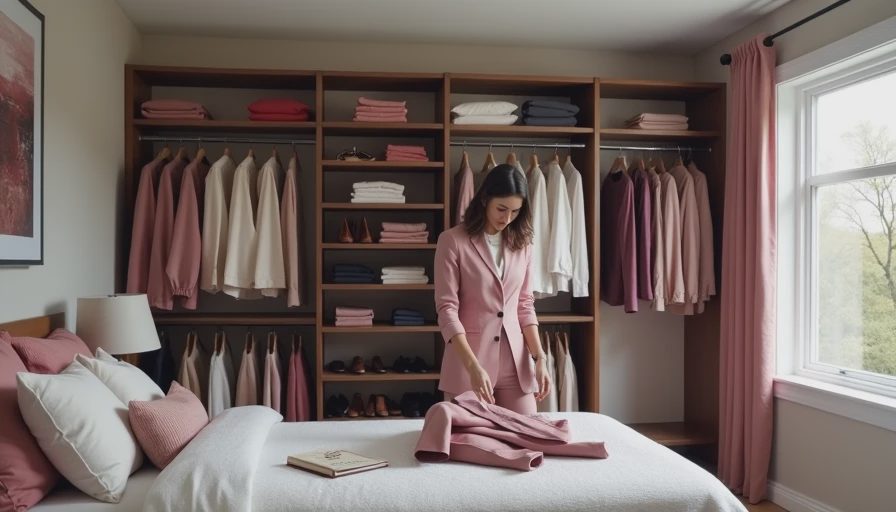
How to make a capsule wardrobe for work without overbuying
Start with the pieces that do the most heavy lifting. For most women, that means the blazer, the pant, the shoe, and the top. If you need to spend more anywhere, spend it there. A solid blazer might run $120 to $250 on sale from places like J.Crew, Banana Republic, Ann Taylor, Talbots, or MM.LaFleur. A decent pair of trousers usually lands between $70 and $160. Good knit tops often sit in the $40 to $90 range, and comfortable loafers or low heels can run from $90 to $180.
I care more about cost per wear than sticker shock. A $180 blazer worn twice a week for six months is a better purchase than a $49 blazer that never leaves the hanger. If the shoulders fit, the hem is close, and the fabric does not fight you, small tailoring is worth it. A $20 hem or $30 sleeve tweak can make a mid-priced piece look like it was bought on purpose, which is half the battle at work.
When I was in branch management, the women who looked pulled together were not the ones with the biggest closets. They were the ones who bought with a plan. They knew which pant matched their best blazer. They knew which top worked under it without bunching. They knew the office dress code well enough to stop shopping for fantasy outfits.
Build outfits that survive real workdays
The easiest way to make your wardrobe usable is to give each piece a job. One pant should work with every top. One top should work under every jacket. One pair of shoes should survive both a commute and a client meeting. That is the kind of planning that saves you on the days when the parking lot is full, the meeting gets moved up, and you still need to look calm.
A practical week might look like this in your head: Monday, blazer with a straight pant and a shell. Tuesday, knit top with a skirt and loafers. Wednesday, trousers with a blouse and cardigan when the office is cold enough to feel like a freezer aisle. Thursday, same blazer, different top. Friday, dress with a jacket and ankle boots if your office is relaxed. The point is not variety for its own sake. The point is repeatable outfits that do not feel like repeats.
This is also where you should check your camera test. If you spend a lot of time on Zoom, hold the top half of each outfit up to your screen. Busy prints, low necklines, and slippery fabrics can look fussy on video. A clean neckline and a jacket that frames your face usually reads better and takes less effort.
Fix the weak links before you buy more
Most wardrobes are not missing clothes. They are missing one good belt, one comfortable shoe, one better bra, or one hem. That sounds boring, but it is usually the fastest way to make a closet feel expensive. If your blazer sleeves swallow your hands, if your pants drag, or if your shoes pinch by noon, every outfit starts looking like a compromise.
I tell clients to inspect the weak links first. Can you sit, drive, and walk in the shoes for an entire workday? Does the bag fit a laptop without chewing up your shoulder? Does your cardigan fight with the sleeves of your blouse? These are not small questions. They decide whether you wear the clothes or just own them.
This is also the moment to pick your backups. Keep one neutral blazer, one reliable cardigan, and one pair of shoes that work with everything. If you travel for work, those three pieces are gold.

A simple 90-day reset keeps the system honest
Every three months, do a quick closet audit. Pull out anything you wore fewer than two times and ask why. Was the fit off? Was the color wrong? Did the fabric wrinkle too much? If the answer is no, no, and yes, that piece is probably not earning its keep. Then look for the gaps that slow you down. Maybe you need a second blouse, a better winter layer, or one dress that works for presentations and dinners.
This is the part that keeps a capsule from turning into another pile of nice intentions. When you buy only for real use, your closet starts telling the truth. You can see what works, what needs tailoring, and what should be replaced before the next busy season hits.
If you are still figuring out how to make a capsule wardrobe for work, start with one color lane, three tops, two bottoms, one jacket, and one shoe you do not hate wearing. Good clothes, no drama. Once that base is working, add only what solves a real problem.