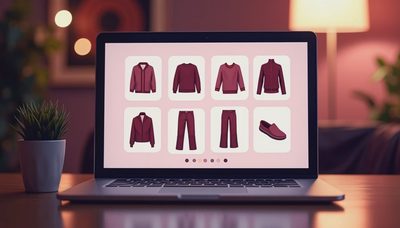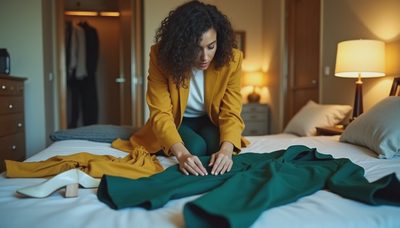
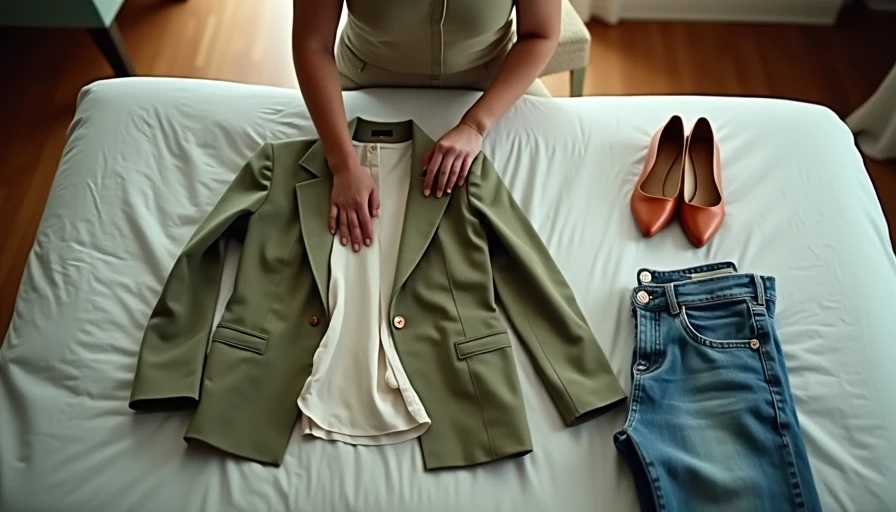
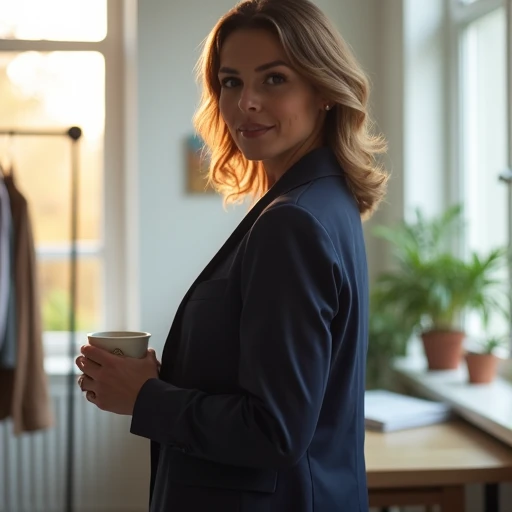
If your car says 91 degrees and the office AC says 63, summer work outfit ideas have to do more than look cute on a hanger. They have to survive the drive, a client meeting, and the hour after lunch when the thermostat starts acting personal. The formula I trust is simple: one breathable piece, one polished layer, and shoes that do not make you negotiate with your own feet by 2 PM. These summer work outfit ideas are built for real offices, real commutes, and real mornings when you want to get dressed once and move on.
Summer work outfit ideas that start with fabric, not trends
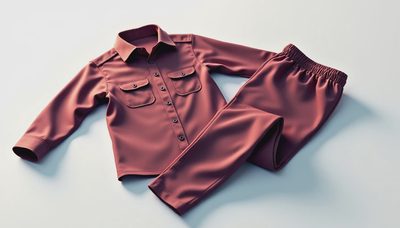
The easiest mistake in July is buying something because it looks crisp on the rack, then realizing it wrinkles before you reach the parking lot. Cotton poplin, linen blends, ponte, and lighter-weight wool all earn their keep. I like a cotton poplin shirt because it reads clean without feeling fussy. A linen blend blazer works better than pure linen if your day includes sitting, standing, and carrying a laptop. Ponte pants are the quiet hero for women who want structure without the stiffness of suit fabric.
Think about the parts that fail first in heat: collars that wilt, linings that trap heat, hems that stick to your legs, and waistbands that stop feeling friendly after lunch. A shirt with a little structure at the shoulder and a pant that drapes cleanly will look better at 8 AM and 4 PM. That is why fabric matters more than a fresh trend. The right cloth keeps the outfit from looking tired before the workday is over.
Then give yourself a color plan. Navy, ivory, taupe, olive, and soft blue all mix faster than a closet full of one-off bright pieces. If you like prints, keep them small and readable from across a conference table. A thin stripe, a subtle dot, or a simple floral on a blouse can do the job without shouting for attention. This is where summer work outfit ideas save money too: once the colors work together, you stop buying extra pieces just to make one outfit happen.
Example: a navy ankle pant from Ann Taylor or Banana Republic Factory, an ivory shell from J.Crew Factory, and loafers from Naturalizer. That is not a fashion statement. It is a weekday solution.
The formulas I reach for when the calendar is full
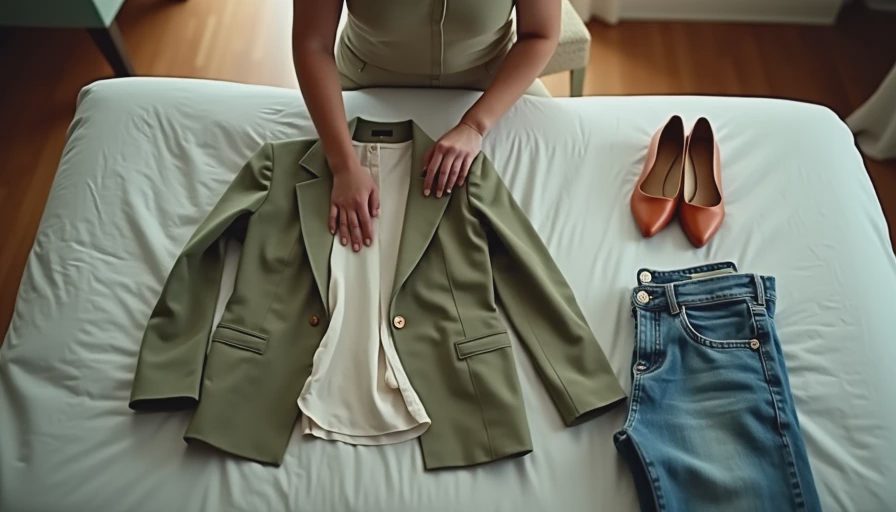
On busy weeks, I narrow everything down to three outfits. First: cropped trousers, a knit top with a little sleeve, and an unlined blazer for meetings. Second: a midi dress with sleeves and a light cardigan, especially when you know you will be in and out of cars. Third: straight-leg pants, a sleeveless blouse, and a jacket you can take off once you settle in. The best summer work outfit ideas work because each one has an easy on version for errands and a more polished in the room version for clients.
If you need shopping targets, look at brands that already know how to make office clothes that behave. Talbots does classic shapes well. Loft and Banana Republic Factory often have washable tops and slim pants at reasonable prices. Quince can be good for simple silk blends and washable knits. Spanx has pull-on pants that many women wear because they feel smooth, not clingy. You do not need all of them. You just need one outfit that gets you out the door without fuss.
A quick cost-per-wear example: a $98 pair of pants worn twice a week for six months is under two dollars a wear before you even get to fall. That is the kind of math I respect. If a blazer, dress, or pair of trousers gets pulled into rotation every week, it earns room in the closet faster than the trendy piece that looked better online than it does in a mirror.
Layering for offices that cannot agree on a temperature
The trick in summer is not avoiding layers. It is choosing the right one. A cardigan can work, but most of them collapse after a few hours and start looking like an afterthought. A light blazer with sleeves that push up nicely does more for a work outfit because it gives shape when you want it and disappears when you do not. I also like unlined jackets, especially in chambray, crepe, or summer-weight cotton. They feel less like armor and more like a tool.
If your office leans casual, a structured knit jacket or a shirt jacket can bridge the gap. Pair it with dark jeans on casual Friday, then swap to trousers if you have a 3 PM meeting. The point is not to dress for an imagined magazine spread. It is to look like you planned ahead, even if you got dressed in twelve minutes while someone asked where the permission slip was.
Shoes matter here too. Low block heels, loafers, pointed flats, and clean leather sneakers all make sense depending on your office. If your feet swell in heat, buy the pair that still feels fine at 4 PM, not the one that looks good standing still in a store mirror. A shoe that stays comfortable will get worn. A shoe that punishes you will live in the box.
Shoes, bags, and the one detail that makes the outfit look finished
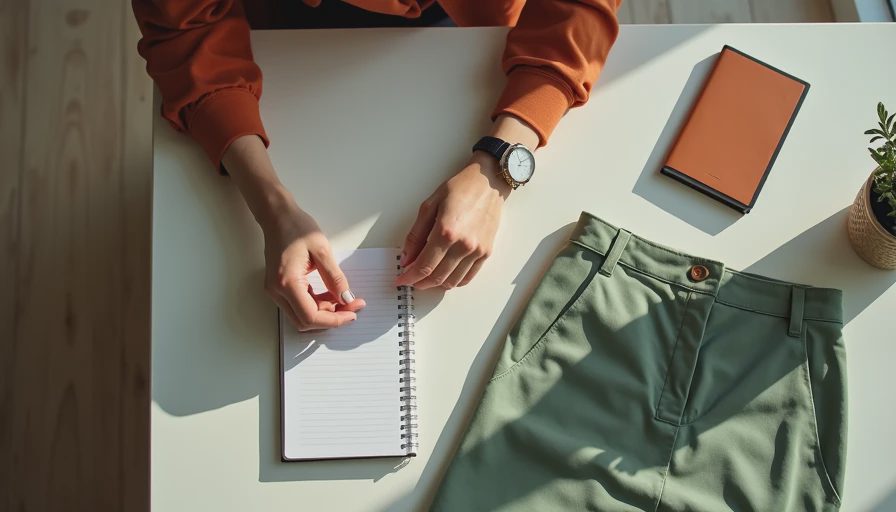
When people say an outfit looks put together, they are usually noticing the last 10 percent. That is the shoe polish, the bag shape, the belt, the hem length. In summer, I keep accessories simple because heat already gives you enough to manage. One leather bag in tan, black, or cognac goes with almost everything. A slim belt can make a flowy dress look intentional. Small hoops or studs are enough if your clothes are doing the talking.
For shoes, I would rather see a clean flat than a tired heel. Mary Janes, loafers, slingback kitten heels, and refined sandals all work if they are not overdecorated. If your office allows open toes, keep the sandal polished and the heel low. If it does not, closed-toe flats and loafers will carry you farther than you think. I like to ask one question before buying: will this still look like a work shoe after a full day of walking, sitting, and standing in line for coffee?
This is also where shopping in real life helps. Nordstrom, DSW, and department store outlets often carry the same basic shoe shapes in better materials than the fast-fashion version. You are not looking for a miracle. You are looking for a pair that does not need to be replaced in six weeks and does not fight the rest of your closet.
A simple plan for building the season without overbuying
Before you shop, look at what you already wear most. If you are reaching for black pants every week, buy the tops that make black feel lighter in July. If you prefer dresses, add one jacket and two pairs of shoes that work with the dresses you already own. If your workplace is business casual, you probably only need five or six strong combinations to get through the month.
Here is the easiest checklist I use with clients and friends alike: one pair of breathable trousers, one skirt or dress that works with flats, two tops that can handle air conditioning, one light layer, and one shoe that can walk from the parking lot without drama. That is enough to start. The rest is just repetition in better fabric. The best closets are not the biggest ones; they are the ones that make weekday dressing boring in the best way.
If you want summer work outfit ideas that actually make mornings easier, build around the clothes that survive your real day, not the day you wish you had. Good clothes, no drama.