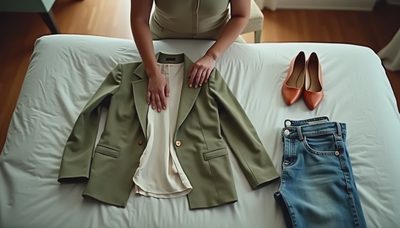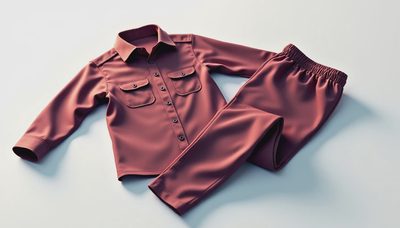
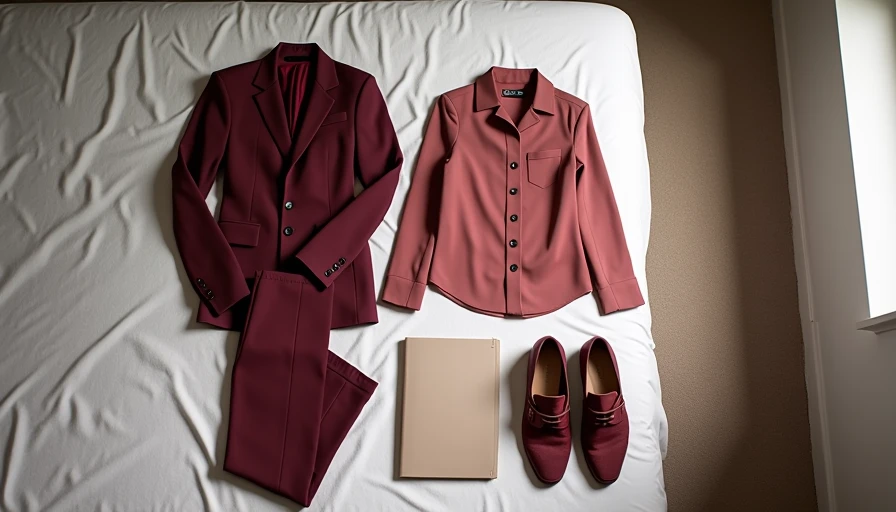

Tuesday morning, 7:40, and you are standing in front of the closet trying to answer one simple question before coffee: what looks polished, sits comfortably, and does not need a rescue mission by lunch? That is where how to create a capsule wardrobe for work stops being a style hobby and starts acting like a time saver. I learned this the hard way in my branch-manager years, when a blazer that fit right could calm a room faster than a new business card. The goal is not a tiny closet for the sake of tiny. It is a tight group of pieces that work together, look professional on repeat, and do not make you think too hard at 6:30 AM.
Start with the dress code in your real office
Before you buy a single thing, decide which version of work you dress for. A client-facing bank office, a hybrid law firm, and a creative office with casual Fridays all need different clothes. If you spend half your week in meetings with people who read polish as competence, your closet should have more structure than stretch. That usually means one or two blazers, trousers that do not wrinkle when you sit, and tops with enough shape to stand alone. If your office runs casual, you can swap one blazer for a cardigan or knit jacket, but keep one sharper layer ready for presentations, interviews, and anything that matters.
A good capsule starts with what gets worn, not what looks cute on a hanger. Look at the last month of work outfits and notice the repeat pieces. If black pants were on every Tuesday, that is your clue. If you never reached for the printed blouse, that is also useful. The smartest closets are built around habits, not fantasies, and that is usually what keeps mornings calm.
Choose one color story and let it do the work
Pick one dark neutral and one light neutral, then one supporting color. Navy with ivory and camel feels calm. Black with gray and white reads sharper. If you like color, burgundy or forest green behaves better in a work closet than a loud trend shade because it matches more things. The point is not to be boring. The point is to stop each piece from needing a special companion before it leaves the hanger. When the palette is tight, a blouse from one month still works with pants from last month.
Pay attention to fabric too. A wool-blend trouser, a ponte knit skirt, a silk shell, and a cotton shirt all have different jobs. In summer, breathable fabrics keep the closet useful; in winter, a sweater knit under a blazer saves you from sweating through conference room thermostat wars. When fabrics get too delicate or too stiff, they stop earning their keep. The easiest wardrobes are the ones that can handle a quick desk lunch, a long commute, and a last-minute client meeting without drama.
How to create a capsule wardrobe for work without buying 30 new things
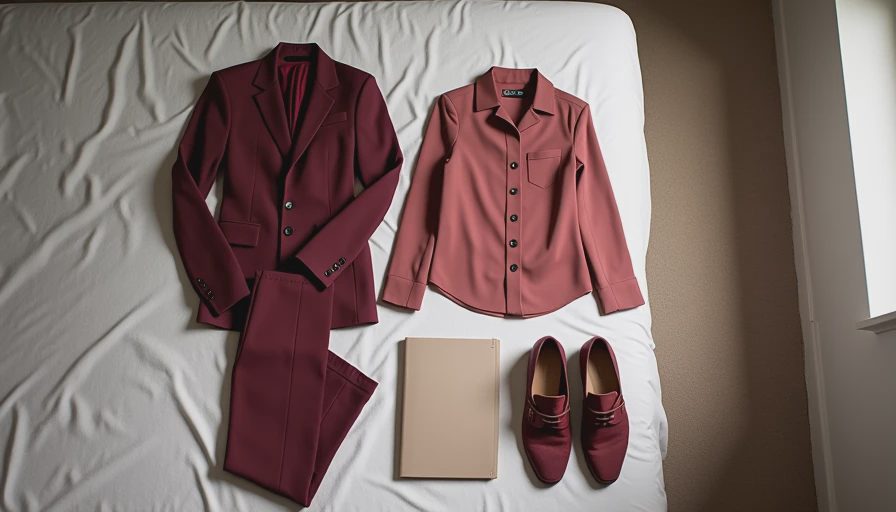
I like to build the first draft with a 3-2-2 approach: three tops, two bottoms, and two layers that all talk to each other. That could be a shell, a blouse, and a sweater; a trouser and a skirt; a blazer and a cardigan. Add one dress if dresses are easier for you, plus two pairs of shoes you can walk in. A closet built this way gets you through a week without repeating the same outfit math every morning. This is usually the part where people realize they do not need more clothes. They need better combinations.
The trick is to buy for the second outfit, not the first. Before you put a blazer in the cart, make sure it works with at least two pants and one top you already own. Before you buy the shoes, check that they can handle skirts and trousers. This is where a lot of women accidentally build expensive orphans. A pretty blouse that only works with one pair of pants is not a wardrobe piece. It is a solo act.
Put real numbers on the closet
How to create a capsule wardrobe for work also gets easier when you give yourself a budget before you shop. For many women, a workable first round might be $500 to $1,200 depending on what you already own. A good blazer often sits in the $120 to $250 range. Pants from Banana Republic, J.Crew, Talbots, Ann Taylor, Quince, Everlane, or M.M.LaFleur can land anywhere from about $60 to $200, depending on fabric and construction. That is a wide spread, but it gives you room to choose based on fit and polish instead of guessing.
If you want the fastest path, start with one store or one family of brands so the sizing logic stays familiar. J.Crew and Banana Republic usually sit in the polished-midrange lane. Talbots and Ann Taylor are familiar workwear stops. Quince and Everlane tend to lean simple and price-conscious. M.M.LaFleur is built around office wear and usually sits higher on price. None of that matters if the piece does not live in your week. What matters is whether you can wear it ten times, not once for a photo.
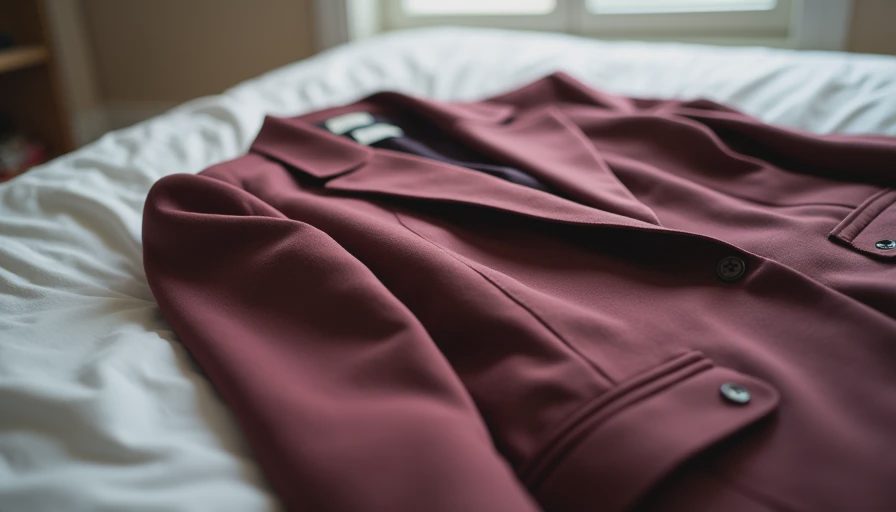
Make repeat outfits look intentional
The women with the easiest closets are not wearing new outfits every day. They are changing one or two details. Same trousers, different top. Same blazer, different shoe. Same dress, different layer. A gold hoop, a leather belt, or a better bag can make a repeat feel fresh without adding clutter. This is where a capsule earns its place: you stop dressing from scratch and start dressing from a system. The room sees a polished outfit, not the fifth version of the same black pant.
If your office is more casual, a sweater set, straight-leg jean, or knit midi skirt can slide into the mix, but keep the overall line clean. You want pieces that can move from desk to dinner without a costume change. Think of Monday in a blazer, Tuesday in a sweater and trouser, Wednesday in a dress, Thursday in the same trouser with a different top, and Friday in the pants that fit best after a long week. That is not boring. That is efficient.
Edit the closet before it edits your mood
Once the basics are in place, maintenance gets simple. The goal is not to keep everything forever. It is to keep the pieces that still earn a spot. If a blazer pulls at the shoulders, if a hem has gone tired, or if shoes hurt by noon, they are taking energy every time you reach for them. Tailoring is worth the extra $20 to $60 when the bones of a garment are right. A quick hem or waist tweak can make a mid-price piece look much better than its tag suggests.
If you want one rule to remember, how to create a capsule wardrobe for work is mostly about editing, not chasing. Keep the pieces that work with three others, replace the ones that do not, and give every purchase a real job. Good clothes, no drama.