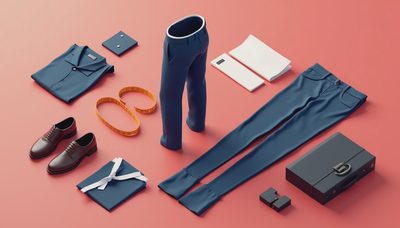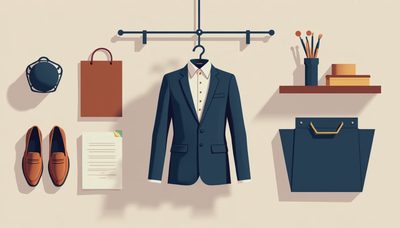


Tuesday, 9:45 a.m., and I am sitting in a client lobby wondering whether my outfit says capable or merely comfortable. That is the daily puzzle behind corporate casual attire. You need clothes that can handle a video call, a presentation, a coffee run, and an unexpected meeting without making you feel overdressed or unfinished. After 14 years in bank branches and conference rooms, I learned that the answer is not buying more clothes. It is knowing which pieces do the work.
What corporate casual attire actually means
Corporate casual attire sits between traditional business formal and everyday weekend clothing. It usually means polished separates rather than a full suit: tailored pants, a knit top, a blouse, a cardigan, a blazer, a clean dress, or a refined skirt. The exact line depends on your workplace, but the test is straightforward. Could you walk into a client meeting without changing? Could you sit through a two-hour presentation without tugging, adjusting, or apologizing for your outfit?
A useful starting outfit is straight-leg trousers, a simple shell, and a jacket that can come off after the meeting. Another is a knee-length or midi dress with a cardigan and comfortable loafers. Dark denim can work in some offices when it is free of fading, rips, and weekend details. If your company allows jeans, pair them with a structured jacket and polished shoes so the outfit still has intention.
The goal is not to look severe. It is to look prepared. In a room full of people, clothing should support your point instead of becoming the point.

Build the outfit from three reliable categories
When I got dressed for a busy branch day, I thought in three categories: a base, a layer, and a finished shoe. That formula makes corporate casual attire easier because you are solving one small decision at a time.
The base is usually a blouse, fine-gauge sweater, knit shell, or simple dress. Look for fabric that does not become transparent under office lighting and does not require constant steaming. A cotton-blend shirt, washable crepe blouse, or smooth merino sweater can work harder than a delicate top that only looks good for the first hour.
The layer gives the outfit authority and flexibility. A navy blazer, collarless jacket, long cardigan, or neat knit jacket can turn a basic top and trouser combination into a meeting-ready uniform. Choose one layer that works while seated. If the front pulls across the buttons or the sleeves ride up when you reach for a notebook, it is not earning closet space.
The shoe finishes the message. Loafers, low block heels, ballet flats with structure, and sleek ankle boots are dependable choices. A shoe does not need a high heel to look professional; it needs to be clean, stable, and appropriate for the amount of walking your day requires.
A small wardrobe that covers real workdays
You do not need a closet full of corporate casual attire to create variety. Start with two pairs of trousers, one dark pair of jeans if your office permits them, two blouses, two knit tops, one dress, one blazer, one cardigan, and two pairs of work shoes. That is enough for several combinations before laundry day becomes urgent.
Color helps these pieces cooperate. Navy, charcoal, black, camel, and ivory create an easy base. Add one or two colors you genuinely enjoy, such as burgundy, forest green, cobalt, or soft blue. A color does not have to be a trend to be useful. My own most-worn blouse for years was a muted blue because it worked under navy, charcoal, and camel layers and looked calm on video calls.
Pay attention to repeat wear rather than fantasy wear. If a jacket only works with one skirt, it is less useful than a jacket that works with four outfits. I keep a cost-per-wear note on my phone for items over $50. A $140 blazer worn 70 times costs $2 per wear. That is a better purchase than a $45 top that sits untouched because it needs a special bra, special pants, and a special occasion.
Outfit formulas for common office situations
For a regular desk day, try ankle-length trousers, a tucked knit top, and loafers. This version is comfortable enough for commuting and polished enough for a spontaneous conversation with a manager. Add a belt if the outfit looks visually unfinished, not because every outfit requires one.
For a presentation, corporate casual attire should include one structured element near your face. That could be a blazer, a crisp collar, or a jacket with a clean neckline. Wear pants or a skirt that lets you sit, stand, and move toward a screen without adjusting the hem. Test the outfit at home by raising your arms as though you are pointing to a slide. You will find problems faster in your living room than in front of six colleagues.
For a casual Friday, start with the most relaxed item and add one polished piece. Dark jeans with a fine sweater and a blazer are more reliable than jeans, a graphic shirt, and sneakers unless your workplace clearly supports that combination. In an office with a client visit, substitute loafers or clean leather sneakers for athletic shoes.
For travel, choose layers and fabrics that forgive sitting. A knit dress, cardigan, opaque tights, and slip-on loafers can take you from an early flight to an afternoon meeting. Keep a spare blouse in your bag if a long commute or lunch spill could derail the day.

Fit, fabric, and the seated test
Good corporate casual attire is less about a particular size or silhouette and more about whether the clothes behave while you work. A sleeve should let you type and reach without pulling at the shoulder. Trousers should stay comfortable when you sit, with enough room for movement but no constant waistband adjustment. A blouse should remain in place when you lean toward a laptop.
The seated test is the one I wish someone had taught me earlier. Put on the outfit, sit in a dining chair, cross and uncross your legs, reach for a mug, and look at the back in a mirror. Check whether the hem rises unexpectedly, whether the neckline shifts, and whether the jacket bunches under your arms. Office clothing is not judged only while standing in front of a full-length mirror. Most of your workday happens in a chair.
Fabric matters just as much. Polyester blends can resist wrinkles, wool blends can hold shape, and cotton can feel comfortable but wrinkle quickly. You do not need to become a textile expert. Touch the fabric, check care instructions, and imagine wearing it for eight hours under office heat or air conditioning.
How to make mornings less complicated
The best corporate casual attire system is one you can use when you are tired. On Sunday, choose three complete outfits and photograph them in your phone. Include shoes and a layer in each picture. On a rushed morning, you are not inventing an outfit; you are selecting from a short menu.
Keep work shoes near the door and store the pieces that need ironing together. If a blouse repeatedly needs special handling, move it out of your weekday rotation. A beautiful item that creates friction is not a practical work item. The same goes for shoes that look excellent but make a short walk from the parking lot feel like an endurance event.
Before buying anything, ask what it will replace or connect with. A new blazer should work with at least three bottoms already in your closet. A new pair of trousers should work with several tops and shoes. This rule protects your budget and keeps your wardrobe from becoming a collection of isolated good ideas.
The one decision to make this week
Choose one dependable corporate casual attire formula and repeat it with small changes. Try trousers, a knit top, a blazer, and loafers on Monday; switch the top and shoes on Wednesday; use the blazer over a dress on Friday. Notice what you adjust during the day and what you forget you are wearing. The pieces you forget are usually the ones worth building around.
You do not need a dramatic closet reset or a new personal style identity. You need a few clothes that behave in the conference room, in the car, and during the unexpected five-minute conversation by the copier. Good clothes, no drama.