

Tuesday, 9:45 a.m., client lobby. I was carrying a coffee, a folder, and the sinking feeling that my blazer was wrong for the room. After 14 years in bank branches and conference rooms, I can tell you that what to wear for business attire is less about owning expensive clothes and more about having reliable answers. You need pieces that let you focus on the client, the presentation, and the workday instead of tugging at a sleeve.
Business attire usually means polished, conservative, and appropriate for your workplace. That does not require a black suit every day. It does require intention: clean lines, good condition, comfortable movement, and enough structure to look prepared when you stand up from a conference table.
Start with the dress code, not your closet
Before planning what to wear for business attire, identify the room you are entering. A law office, financial institution, medical practice, corporate headquarters, and creative agency can all use the phrase “business attire” differently. Look at your company handbook, notice what senior employees wear, and ask a trusted colleague before an important event. One simple question works: “Is this more traditional business professional, or polished business casual?”
Traditional business professional often means a suit, tailored dress, or coordinated jacket and trousers. Business casual gives you more room for a knit shell, a fine-gauge sweater, or a skirt without a matching jacket. When the instructions are vague, dress one step more polished than the everyday norm. It is easier to remove a jacket after arriving than to wish you had brought one.
For an interview, presentation, client visit, or first day, a navy or charcoal jacket is the safest starting point. These colors work with black, gray, cream, burgundy, and several shades of blue, so one purchase can support many outfits.

The five pieces that do the most work
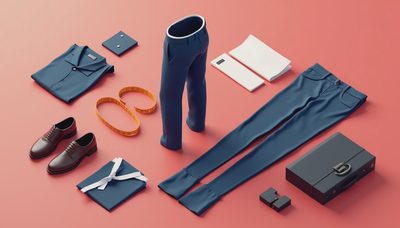
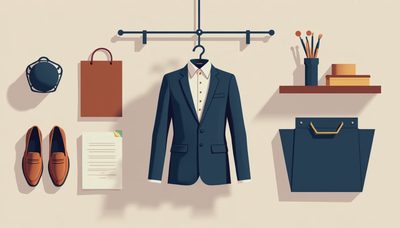
A dependable work wardrobe does not need to be large. I would begin with five pieces: a structured blazer, tailored trousers, a simple blouse, a professional dress, and comfortable closed-toe shoes. Add a second bottom and another top before buying a third jacket. This creates more usable combinations and keeps your morning decisions manageable.
A blazer should close without pulling, sit smoothly across your back, and stay in place when you reach for a file. Try it while seated, because that is how you will wear it during most meetings. A single-breasted navy blazer is particularly useful, but medium gray, camel, and subtle checks can also work in offices that allow more variation.
Trousers should skim rather than require constant adjustment. Straight-leg and gently wide-leg cuts are practical choices because they work with loafers, pumps, and ankle boots. A blouse does not need to be fussy. Look for opaque fabric, a neckline that stays put, and enough room to move your arms. A simple sheath or wrap-style dress can cover a client day when paired with a jacket and modest shoes.
When deciding what to wear for business attire, think in outfit formulas instead of individual items. Try navy blazer plus cream blouse plus gray trousers. Try a solid dress plus jacket plus low pumps. Try a fine-knit sweater plus trousers plus loafers. The formula is the part that saves time.
Shoes, accessories, and the details people notice
The best shoes for work are the ones you can walk in from the parking lot to the meeting room without changing your expression. Closed-toe pumps with a low or medium heel, leather loafers, and polished flats are dependable options. A two-inch heel can look formal without becoming the main event. Keep a spare pair at the office if your commute involves rain, long sidewalks, or public transportation.
Accessories should support the outfit rather than compete with it. Small hoops, a watch, a simple pendant, or a structured tote can finish a professional look. Avoid anything that jingles when you gesture or needs repeated adjustment. Your bag should hold the essentials without collapsing on the floor beside your chair. Black, brown, navy, and taupe are useful colors because they coordinate with most work wardrobes.
Pay attention to maintenance. Steam a blouse, remove lint, repair a loose hem, and keep shoes clean. These tasks take minutes and often make a $75 outfit look more considered than a $300 outfit that is wrinkled or worn down. Good clothes, no drama.

What to wear for business attire in common work situations
For a regular office day, try tailored trousers, a tucked blouse, and loafers with a cardigan or blazer nearby. This gives you a comfortable base and a quick upgrade if an unexpected meeting appears. For a client presentation, use a full outfit rather than relying on one impressive piece: jacket, polished top, coordinated trousers or skirt, and shoes you have already tested.
For an interview, choose a quiet outfit in navy, charcoal, gray, or black. Skip anything that requires special undergarments, frequent smoothing, or careful sitting. The goal is to remember your answers, not your waistband. For a networking event after work, a dress with a jacket can move from desk to restaurant without looking like you changed in a hurry.
If your office is business casual, a jacket still earns its place. Wear it for Monday meetings, remove it for desk work, and pair it with jeans only when your company clearly allows denim. “Business casual” does not mean every casual item belongs at work. A clean sneaker may suit one office and look too relaxed in another.
Build a weekly rotation without buying more
A five-day rotation can come from a small set of pieces. On Monday, wear navy trousers, a white or cream blouse, and a gray jacket. Tuesday can be a professional dress with loafers. Wednesday, switch to gray trousers, a blue knit top, and the navy blazer. Thursday, wear a skirt with a tucked shell and cardigan. Friday, use the most relaxed approved combination, such as dark trousers, a fine sweater, and clean flats.
Photograph combinations that work before hanging them back in the closet. Store the images in an album called “work outfits.” This is especially helpful on mornings with school drop-offs, an early commute, or a presentation you have been preparing for all week. I also keep a cost-per-wear note on my phone. A $140 blazer worn 70 times has cost $2 per wear; that is a better investment than a $60 jacket that never leaves the hanger.
When shopping, bring the shoes you expect to wear and sit down in every outfit. Check the neckline, sleeve length, hem, and jacket closure from several angles. If a piece only works with one very specific item, it is probably not the next thing your wardrobe needs.
A simple final check before you leave
When deciding what to wear for business attire, give yourself two minutes for a practical inspection. Can you sit comfortably? Can you raise your arms? Are the shoes suitable for the distance you will walk? Is anything sheer, noisy, loose, or likely to need constant attention? Does the outfit fit the formality of the people you will meet?
Then add one finishing element: a jacket, watch, neat hair, or structured bag. You do not need to look like someone else. You need to look prepared enough that your clothes stop taking up mental space.
The most useful takeaway is simple: create three complete outfits for your real work situations and photograph them. When a busy morning arrives, you will not be starting from a blank closet. You will have a proven answer to what to wear for business attire, and you can get on with the part of the day that actually matters.