

Tuesday, 9:45 a.m., client lobby. I am standing beside the coffee table, smiling through a conversation, and thinking about the shoes pressing against my toes. That was the day I stopped treating comfort as a bonus feature. The best comfortable shoes are the ones that let you focus on the meeting, the commute, and the rest of your day instead of counting the minutes until you can take them off.
After 14 years in bank branches, I learned that polished footwear does not have to mean a narrow toe box or a stiff sole. You can find loafers, pumps, flats, boots, and sneakers that look appropriate with trousers while still handling school pickup or a walk across downtown Nashville. The trick is knowing what to examine before you buy.
What makes the best comfortable shoes actually comfortable?
Start with fit, not the label on the box. Your toes should have room to spread without sliding forward, and your heel should stay in place when you walk. If your foot is squeezed at the widest point, the shoe will not become comfortable because you wore it around the house for an hour. Leather can soften, but it cannot create extra space where there is none.
Look for a supportive footbed, moderate cushioning, and a sole that bends near the ball of your foot. A completely flat, thin sole can leave you tired after several hours, while an extremely soft foam shoe may feel unstable in a client meeting. The best comfortable shoes balance cushioning with enough structure to make your stride feel steady.
A low heel can work well for professional outfits. One to two inches gives a pump or loafer some shape without turning every hallway into a test of balance. A block heel is generally easier to walk in than a narrow heel because it gives you a broader base. That small difference matters when you are moving between a parking garage, conference room, and restaurant.
Best comfortable shoes for office outfits
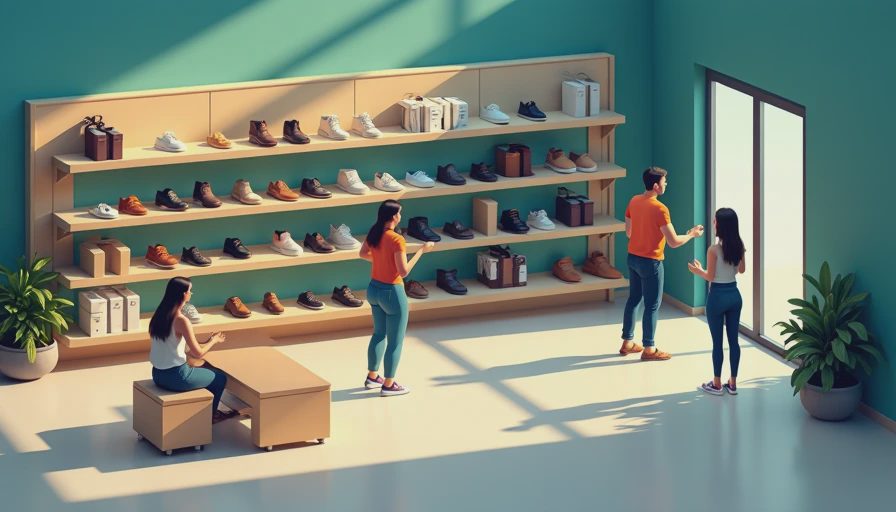
For a traditional office, begin with a loafer, refined flat, or low block-heel pump. A black leather loafer works with ankle trousers, a navy suit, and even dark denim on a casual Friday. Look at options from brands such as Naturalizer, Clarks, Sam Edelman, and Vionic, then compare the actual shape of each shoe rather than assuming one brand fits every foot the same way. Prices commonly range from about $70 to $180, with premium leather styles running higher.
A pointed toe can look elegant, but it should not pinch. A gently squared or almond-shaped toe often gives you a similar professional finish with more practical room. The best comfortable shoes for presentations are usually simple rather than fussy: minimal hardware, a stable heel, and a color that coordinates with at least three outfits.
For a softer business-casual office, try a ballet flat with a structured upper or a leather slip-on sneaker. Cole Haan, Ecco, and Rothy's offer styles that can work with wide-leg trousers and a knit blazer, although cushioning and support differ by model. I would not rely on a thin fabric flat for a full day of standing unless you already know it suits your feet.
How to choose shoes for commuting and long days
Your commute changes the decision. If you walk more than a few blocks, choose the best comfortable shoes for the walking portion and carry your dressier pair in a tote. That is not a style failure; it is good wardrobe accounting. A clean leather sneaker, supportive loafer, or low ankle boot can handle the trip, while a pump waits safely at your desk.
For long days, pay attention to weight. A shoe that feels sturdy in your hand may feel exhausting after eight hours. Breathable linings help during warm weather, and removable insoles give you flexibility if you use an orthotic. If you are shopping online, read reviews for repeated comments about heel rubbing, narrow sizing, or a break-in period. One isolated complaint is less useful than a pattern.
Try shoes at the end of the day, when feet are often slightly larger. Wear the socks or hosiery you expect to use with them. Walk on a hard surface for several minutes, sit down, stand again, and check whether the vamp presses across your foot. Those simple steps tell you more than admiring the shoe in a mirror.
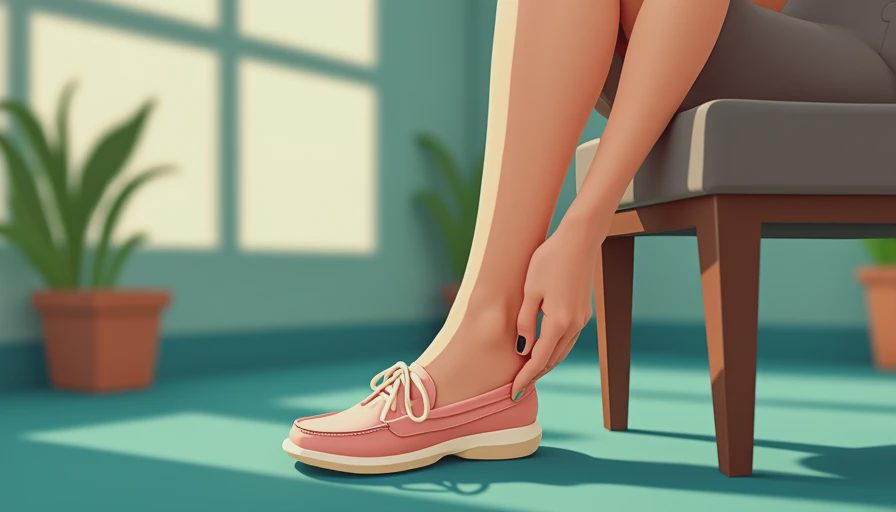
Comfortable shoes that still look intentional
Comfort does not require a sporty outfit. The best comfortable shoes can look deliberate when the rest of the outfit gives them context. Pair white leather sneakers with cropped trousers, a fine-gauge sweater, and a structured tote. Wear a brown loafer with straight-leg jeans and a jacket. Add a slim belt or small earrings so the casual shoe feels like part of the plan rather than an emergency substitute.
Ankle boots are especially useful in a professional wardrobe. Look for a heel under two inches, a cushioned insole, and a shaft that sits cleanly under or over your trouser hem. Brands including Blondo, Vionic, and Ecco often offer practical weather-friendly options, while Sam Edelman and Madewell have styles that lean more fashion-focused. A $140 pair worn twice a week can reach a reasonable cost per wear much faster than a $55 pair that stays in the closet.
Color also affects usefulness. Black is dependable, but cognac, taupe, navy, or burgundy can make repeat outfits feel less predictable. Choose the color that connects with your existing belts, bags, and outerwear. The best comfortable shoes are not necessarily the most eye-catching pair; they are the ones you can reach for without rebuilding the outfit around them.
A simple fitting checklist before you buy
Measure both feet if you can, because one foot is often slightly larger. Fit the larger foot and use an insert or heel grip only if the smaller side needs a little adjustment. Check the toe box while standing, not just sitting. Your longest toe should not touch the front, and your heel should not lift dramatically with each step.
Press the sole gently. It should have some give, but the shoe should not fold in the middle like a piece of cardboard. Examine the stitching, lining, and edge of the insole. A smooth interior can prevent irritation, especially if you will wear the shoes without heavy socks. If a store allows returns, keep the packaging and test them indoors before committing.
For online shopping, order two sizes only when the retailer has a clear return policy and you can send one back promptly. Do not keep a painful pair because the sale price feels impressive. A $90 shoe worn 100 times costs 90 cents per wear; a $40 shoe worn twice costs $20 per wear. My phone note has settled that argument more than once.
My practical shoe rotation
A useful work rotation does not need ten pairs. I would start with a black loafer, a low block-heel pump, a polished flat, a supportive commuting sneaker, and a weather-ready ankle boot. That small group covers presentations, regular office days, casual meetings, rainy mornings, and the walk to dinner afterward.
The best comfortable shoes in your closet should make dressing easier. Keep one pair near the door for rushed mornings, one under your desk for client-facing moments, and the rest where you can see them when planning outfits. Replace worn heel tips and insoles before the shoe becomes uncomfortable. Good maintenance can extend the useful life of a favorite pair by months.
When you shop, choose the pair that solves a real problem: standing through a presentation, walking from the train, or making one outfit work from morning to evening. That is the actionable takeaway. Buy for the day you actually live, then let the polished details follow. Good clothes, no drama.