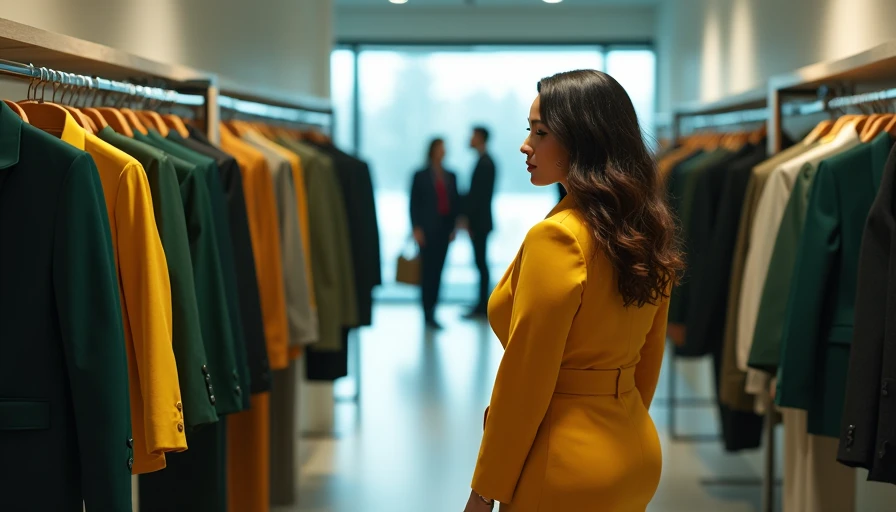

Tuesday, 9:45 a.m., client lobby. I am halfway through introducing myself when I notice my blazer is pulling every time I reach for a folder. Nothing is technically wrong, but I am thinking about the jacket instead of the conversation. That is exactly why plus size business attire should start with comfort and movement, not a checklist of rules. The best work clothes let you focus on the meeting, the presentation, or the 3:30 pickup without fussing with a sleeve.
I spent 14 years in bank branches and conference rooms, and I learned that polished dressing is usually less complicated than women are told. You need dependable layers, pants that stay put while sitting, shoes you can actually walk in, and colors that work together. Good clothes, no drama.
Build the outfit around one reliable layer
A blazer, knit jacket, cardigan, or polished vest can make a simple outfit feel intentional. For plus size business attire, look for a layer that closes comfortably across the front and still gives you room to move your arms. That does not mean buying an oversized jacket. It means checking the fit while seated, reaching forward, and carrying the bag you use for work.
A midweight blazer in navy, charcoal, camel, or black can support dozens of outfits. Wear it over a shell and trousers for a formal office, then pair it with a fine-gauge sweater and dark jeans if your workplace is more relaxed. Brands such as Talbots, Universal Standard, J.Crew, and Nordstrom house labels often offer useful options across a broader size range, but the label matters less than the construction. A lining, stable fabric, and buttons that do not gape will do more for your morning than a trendy detail.
Pay attention to jacket length when you sit. If the hem rides up sharply or the pockets land in an awkward place, try another cut. A slightly longer jacket can feel especially useful for travel days, while a cropped jacket may work better with a fuller skirt or wide-leg trouser. The goal is balance in the actual chair where you work, not in a fitting-room mirror.
Choose trousers for the whole workday
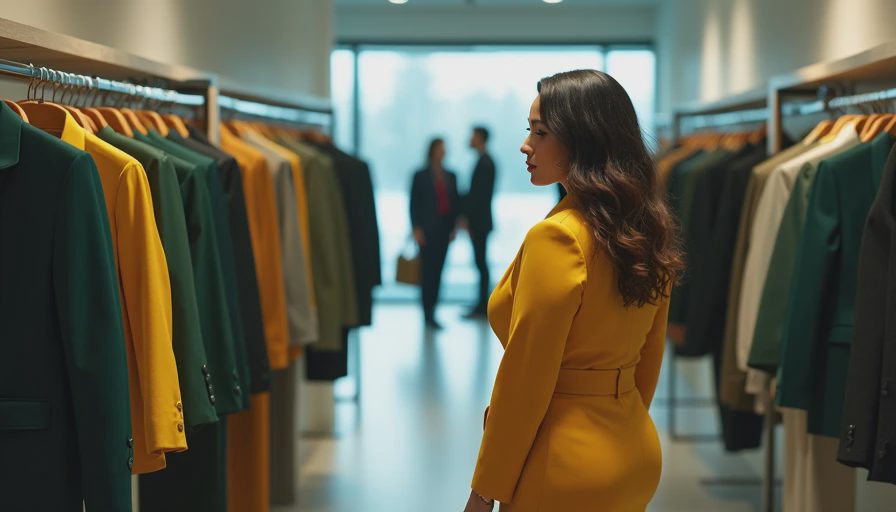
The right pants are the quiet foundation of plus size business attire. Start with the waistband. It should lie flat when you stand and remain comfortable after lunch. Pull-on styles can be excellent for commuting, especially when they have a smooth front, substantial fabric, and a finished hem. A side-zip or traditional fly can look sharper if that is your preference; neither option is automatically more professional.
Straight-leg trousers are easy to pair with loafers, pumps, or ankle boots. Wide-leg pants can look equally polished when the hem nearly skims the top of the shoe rather than pooling on the floor. Ankle pants are practical in warm weather and work well with a low block heel. Before buying, sit in the pants for five minutes. Cross your legs, stand up, and walk. If you are adjusting the waist in the store, you will probably be adjusting it at your desk.
Fabric makes a bigger difference than a small size change. Ponte, tropical-weight wool, washable crepe, and structured knit can hold a clean line without feeling stiff. Keep one pair of black trousers for high-stakes meetings, but do not make every outfit black. Navy, espresso, olive, and taupe provide variety while remaining easy to combine.
Make tops do practical work
A work top needs to stay put under a jacket and look finished when the jacket comes off. Shells with a higher neckline, softly draped blouses, and fine-knit sweaters are useful starting points. For plus size business attire, a top should skim rather than cling, with enough length to stay tucked or enough structure to look deliberate when worn out.
Button-front shirts can be excellent, but inspect the button spacing. If the front pulls when you sit, try a knit version, a hidden placket, or a shirt with a little stretch. A simple camisole can prevent a blouse from shifting during a presentation, and a lightweight tank under a sweater can make temperature changes easier to handle.
I like a three-color wardrobe formula: one dark neutral, one lighter neutral, and one accent. Navy trousers, ivory tops, and burgundy accessories create several combinations without requiring a closet full of clothes. A cobalt blouse or patterned scarf can bring energy to a gray suit without turning the outfit into a costume.
Shoes, bags, and the commute test
Professional shoes do not have to mean a high heel. A leather loafer, pointed flat, block heel, or clean ankle boot can look appropriate in a client-facing office. When testing shoes, wear the socks or hosiery you will use at work and walk on a hard surface. Ten comfortable steps in a store do not always equal a full day on tile and carpet.
For plus size business attire, accessories should support the job rather than create another task. A medium structured tote can hold a laptop, notebook, charger, and lunch without becoming a heavy suitcase. Look for straps that stay on your shoulder and a zipper if you take public transportation. Gold or silver jewelry, a leather belt, and a watch can make a basic outfit feel complete in less than two minutes.
Plan five outfits before buying five more
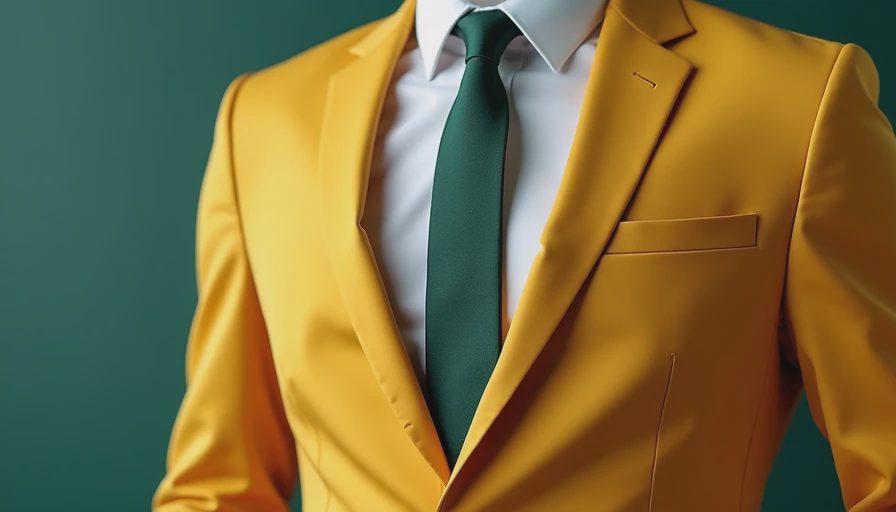
The easiest way to improve your work wardrobe is to use what you own more deliberately. On Sunday, choose two bottoms, three tops, one jacket, and two pairs of shoes. Lay out complete outfits, including undergarments and accessories. Photograph the combinations if mornings are rushed. This small process reveals whether a new item will connect to your closet or sit alone waiting for a special occasion.
Imagine a Monday presentation: navy trousers, an ivory shell, a camel blazer, and loafers. Tuesday can use the same trousers with a striped knit and a burgundy bag. Wednesday changes to charcoal pants, a cobalt blouse, and the camel jacket. Thursday brings the ivory shell under a cardigan, and Friday uses the navy trousers with a polished knit if denim is allowed. That is five workdays from a manageable group of pieces.
This is also where cost-per-wear becomes useful. A $90 blazer worn twice a month for a year costs less per use than a $35 impulse top worn once. I keep that calculation in my phone because it separates a genuine wardrobe need from a morning shopping mood.
A simple fitting-room checklist
When reviewing plus size business attire, check the garment in three positions: standing, seated, and reaching forward. Confirm that the neckline stays where you want it, the sleeves do not twist, and the hem does not require constant attention. Look at the back in a mirror. A smooth back and comfortable shoulder area matter when you are presenting or sitting through a long meeting.
Then ask whether the item works with at least three things already in your closet. If it only works with one specific shoe or jacket, it is not solving a problem. Also consider care. A machine-washable sweater that looks polished may earn more wear than a beautiful blouse requiring special cleaning every time.
The best plus size business attire is not a uniform handed down by someone else. It is a practical system built around your workplace, your commute, and the way you spend a day. Start with one dependable jacket, one pair of comfortable trousers, and two tops that make sense together. Wear them, notice what helps, and adjust from there. Your one actionable takeaway: before your next shopping trip, create three complete outfits from your current closet and buy only the missing link.