

Tuesday, 9:15 a.m., and you are standing in front of your closet with one eye on the clock and the other on a client meeting. You are asking what is business casual women can wear without looking too formal, too relaxed, or unlike yourself. I spent 14 years in bank branches and conference rooms, and I learned that the answer is less mysterious than clothing websites make it sound. Good clothes, no drama.
What business casual means in a real office
Business casual is a polished middle ground between a traditional suit and everyday weekend clothing. For many offices, that means tailored pants, a skirt or dress with a practical hemline, a blouse, knit top, cardigan, or blazer, and clean shoes that could handle a full workday. The goal is to look prepared without appearing as if you are headed to a courtroom.
The phrase is not a single uniform dress code. A law office, technology company, medical practice, and creative agency may all interpret it differently. If you are new to a workplace, notice what managers and client-facing employees wear. A written policy helps, but the everyday standard tells you more. When in doubt, dress one step more polished for your first week, then adjust.
Business casual should also let you move. If you cannot sit comfortably, reach for a file, walk across a parking lot, or carry your laptop, the outfit is not doing its job. A jacket that works standing but pulls when you sit is a conference-room problem, not a personal failure.

What is business casual women should start with
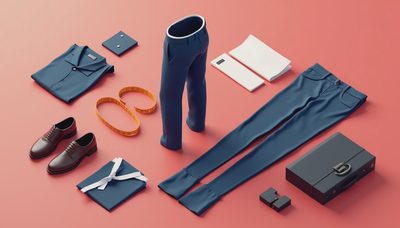
When someone asks me what is business casual women need for a reliable work wardrobe, I suggest starting with outfit formulas instead of shopping for random individual pieces. A navy blazer, straight-leg trousers, a simple shell, and loafers can cover a Monday meeting, a presentation, and an ordinary office day. Change the blouse or shoes and the outfit feels different without creating another closet full of decisions.
A second useful formula is a knit dress with a cardigan or structured jacket. Look for fabric that is opaque, comfortable, and not so thin that every wrinkle becomes visible by lunchtime. A belt can make the dress feel more intentional, but it is optional. Your clothes do not need to create a dramatic silhouette to look professional.
A third formula pairs ankle pants with a tucked blouse and a low heel or polished flat. This works especially well when your day includes commuting, errands, and several hours on your feet. Black, navy, charcoal, camel, cream, and muted blue are easy colors to combine. You can add burgundy, forest green, or a small print when your office allows more personality.
Tops, jackets, and the details that matter
The best business-casual tops are not necessarily dressy. A fine-gauge sweater, a crisp poplin shirt, or a sleeveless shell under a blazer can all work. Choose necklines that stay in place when you lean over a desk or greet a client. If a top needs constant adjusting, it will make you feel distracted even if it looks good in the mirror.
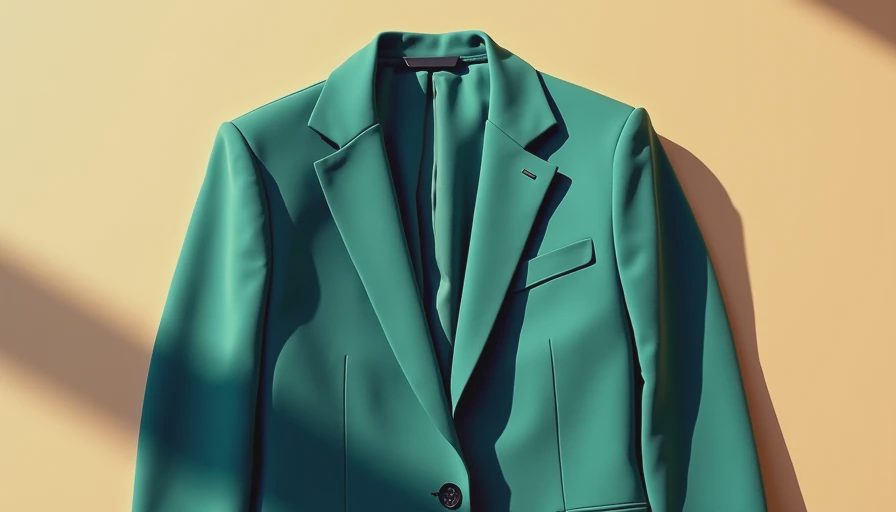
A blazer is useful because it changes the message of an outfit quickly. It does not have to be expensive. A jacket in the $70 to $180 range can become a cost-per-wear bargain if you use it twice a week for a year. I keep that calculation in my phone: an $120 blazer worn 60 times costs $2 per wear. That is more useful than chasing a new trend every season.
Pay attention to the jacket length when seated. If it bunches at your waist or catches on the arms of your chair, try a softer knit blazer or an open-front style. These small practical choices are what separate a photograph-ready outfit from one you can actually wear through a long workday.
Shoes and accessories for a full workday
Shoes should match the amount of walking your schedule requires. Loafers, ballet flats, block heels, and clean leather sneakers can all fit a business-casual setting, depending on the workplace. A two-inch block heel is often easier to manage than a narrow high heel, especially when you are moving between buildings or standing during a presentation.
Keep the rest of your accessories simple enough that they do not compete with your conversation. Small hoops, a watch, a structured tote, or a leather belt can finish an outfit. A large statement necklace is not automatically wrong, but test it while sitting and talking. If it taps the table, catches on your cardigan, or makes noise when you move, it is not the best choice for that meeting.
Color can do quiet work. A brown belt with tan loafers makes navy pants feel less formal. Silver jewelry can sharpen a gray outfit, while gold can warm cream, camel, and navy. You do not need matching accessories; repeating one color twice is usually enough.
What to skip without making the closet complicated
Business casual does not require eliminating everything comfortable. It simply asks you to edit the pieces that look unfinished in a professional setting. Pajama-soft joggers, graphic tees, distressed denim, beach sandals, and visibly worn athletic shoes usually belong outside the office. Some workplaces allow jeans, but dark, clean denim with a blazer is a safer choice than ripped or faded jeans when you are unsure.
Very tight clothing can become a distraction because it requires constant adjusting. Extremely oversized clothing can have the same issue when sleeves cover your hands or fabric spills over a chair. The useful test is practical: can you sit, walk, reach, and speak without thinking about the outfit every few minutes?
Office casual also includes grooming details. Wrinkled fabric, scuffed shoes, and a bag that no longer holds its shape can make an otherwise good outfit feel less finished. A handheld steamer, lint roller, and shoe cloth near the door solve more mornings than another shopping trip.
A simple Monday-through-Friday wardrobe plan
For Monday, wear navy trousers, a pale blue blouse, and a blazer. Tuesday can be ankle pants with a knit sweater and loafers. Wednesday, use the knit dress with a cardigan and low heels. Thursday, try dark jeans if your office permits them, along with a crisp shirt and jacket. Friday can be the relaxed version: polished knitwear, tailored pants, and clean flats.
These combinations are not rules. They are a starting point that reduces morning decisions. Two pairs of trousers, one skirt or dress, three tops, one cardigan, one blazer, and two pairs of shoes can create more than a week of practical combinations. Add a second jacket before buying a ninth top, because outer layers often create the biggest change in an outfit.
When you shop, take a picture of the clothes you already own. Look for pieces that work with at least three outfits. If an item only works with one specific shoe, bra, jacket, or weather condition, it may not earn its place in a busy professional wardrobe.
The one question to ask before leaving home
So, what is business casual women can rely on when the dress code feels vague? It is clothing that looks intentional, respects the setting, and allows you to focus on your work. Start with a polished base, add one structured layer, and choose shoes you can wear comfortably for the entire day. Before you leave, sit down, reach forward, and walk across the room. If the outfit passes that test, you are ready.
My actionable takeaway is simple: choose one business-casual formula tonight and photograph it before putting it away. Next time the morning gets rushed, you will have a proven answer instead of a closet debate.