
Tuesday morning, 8:10, and Derek is standing in the bedroom asking whether a denim shirt counts as business casual. My answer is the same one I gave for years when male clients came into my branch before a presentation: Nashville mens fashion works best when it respects the room, the weather, and the person wearing it. You do not need a closet full of expensive labels. You need a few dependable pieces that can move from a client meeting to dinner, a wedding, or a small music venue without looking like you tried too hard.
I am writing this from the perspective of a former bank manager, not a menswear buyer. I have watched men walk into conference rooms in jackets that pulled at the buttons and shoes that looked tired from the parking lot. I have also seen a simple navy blazer make an otherwise ordinary outfit look prepared. The difference was never a runway trend. It was fit, purpose, and a little planning.
Start with the Nashville wardrobe reality
Nashville gives clothing a particular job. Summers are hot and humid, so heavy wool and stiff layers become uncomfortable before lunch. Spring and fall can shift from cool mornings to warm afternoons, which makes lightweight layers more useful than one dramatic seasonal purchase. A good Nashville wardrobe has breathable cotton, linen blends, unstructured jackets, and shoes that can handle a walk across a parking lot or a few blocks downtown.
That does not mean every outfit needs cowboy boots, fringe, or a piece of turquoise. Those details can be fun when they feel personal, but Nashville mens fashion is broader than a costume version of Music City. A clean pair of dark jeans, a tucked Oxford shirt, and brown leather boots can look more natural than an entire Western outfit worn at once. Choose one local reference, then let the rest stay simple.
For work, begin with navy, charcoal, olive, tan, white, and light blue. These colors combine without much thought. A navy blazer works with gray trousers on Monday and dark denim on Friday. A tan overshirt can replace a sport coat for a casual office. A crisp white T-shirt under an open shirt handles an evening show better than a dress shirt that feels too formal.
The three outfits that solve most mornings
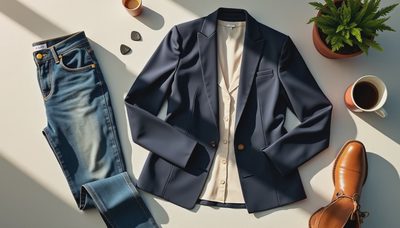
The first is the client-ready combination: navy blazer, light blue Oxford shirt, gray or khaki trousers, and brown loafers or derbies. This is the safest starting point for Nashville mens fashion because it looks professional without feeling corporate. Choose a blazer with enough room to sit comfortably. When the jacket is buttoned, the fabric should not strain across the middle or collapse around the shoulders.
The second is polished casual: dark straight-leg jeans, a chambray or white shirt, and clean leather sneakers or boots. This works for a creative office, a brewery patio, or dinner after work. The jeans should be free of heavy fading and excessive distressing. A $70 to $120 pair that gets worn twice a week can offer better value than a trendier pair that stays in the closet.
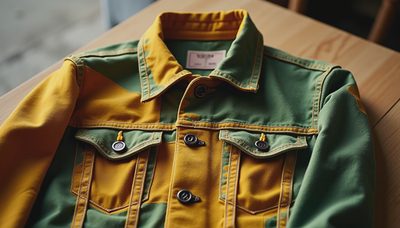
The third is off-duty Nashville: a heavyweight T-shirt, relaxed overshirt, dark jeans, and boots. Look for texture rather than loud graphics. A canvas jacket, waxed cotton layer, or brushed flannel adds interest while remaining useful. This is where Nashville mens fashion can feel individual without becoming complicated.
Fit matters more than the label
A $500 jacket that needs constant adjusting is a poor purchase. A $150 jacket with sleeves shortened by a tailor can become the piece you reach for every week. The first fitting check is the shoulder seam: it should sit close to the edge of the shoulder rather than droop down the arm. Next, sit in the jacket. If the front pulls sharply or the back rides up, the cut is not serving your day.
Shirt cuffs should show slightly beneath a jacket sleeve, and trousers should rest cleanly on the shoe without forming a large stack of fabric. You do not need a dramatic slim fit. Straight and relaxed cuts can look sharp when the waist, rise, and length are right. A tailor may charge $15 to $30 for a trouser hem and more for jacket adjustments, but those changes often determine whether an item looks intentional.
For anyone building Nashville mens fashion outfits on a budget, spend first on fit, then on fabric, and only afterward on a brand name. Department stores, resale shops, and reliable basics from retailers such as J.Crew, Uniqlo, Levi's, Allen Edmonds, or Thursday Boot Company can all play a role. The exact label matters less than how often the item works with what you already own.
Shoes, grooming, and the details people notice
Shoes carry more visual weight than most men expect. Keep one pair of brown leather boots, one clean sneaker, and one dressier shoe in rotation. Boots suit jeans and chinos, sneakers make casual tailoring feel current, and loafers or derbies handle office meetings and weddings. Condition leather occasionally and replace worn heel caps before they become a balance problem.
A belt should generally relate to the color and finish of the shoes. Socks do not need to match perfectly, but they should look chosen. Solid navy, charcoal, olive, or muted patterns are easy starting points. A watch, wedding band, or simple necklace can provide personality without turning the outfit into a display of accessories.
Grooming is part of the same equation. Clean nails, a tidy neckline, and clothes without visible pet hair or wrinkles make even affordable pieces look better. Nashville mens fashion is not about appearing polished every second. It is about removing small distractions so people hear what you are saying.
Build a useful closet without overspending
Try a cost-per-wear test before buying. A $180 overshirt worn 30 times costs $6 per wear. A $60 novelty shirt worn once costs more than the price tag suggests. I keep this calculation in my own phone, and it has prevented plenty of optimistic purchases. Ask whether the new item works with at least three things already hanging in the closet and whether it suits an actual calendar event.
A practical starting closet might include two Oxford shirts, two quality T-shirts, dark jeans, chinos, gray trousers, a navy blazer, a casual overshirt, leather boots, clean sneakers, and a dress shoe. Add a lightweight rain jacket for sudden storms and an unstructured layer for hot evenings. This is enough for a surprising number of combinations.
When shopping, take a photo of your usual shoes and bring it up while trying on clothes. That small step prevents buying trousers that only work with one pair of footwear. It also keeps Nashville mens fashion grounded in the clothes you actually wear, not an imagined version of your weekend.
A simple plan for the next seven days
On Sunday, pull out five complete outfits and photograph them in natural light. Include shoes. On Monday, wear the strongest work combination. On Tuesday, note what felt uncomfortable after sitting, driving, or walking. On Wednesday, adjust one detail rather than replacing everything. Maybe the shirt needs a shorter sleeve, or the belt is too formal for the jeans.
By Friday, identify the three pieces you reached for most. Those are clues about your real style. Repeat the exercise next week with one new combination. This process is more useful than scrolling through endless Nashville mens fashion inspiration because it creates evidence from your own schedule, climate, and comfort.
Good clothes, no drama. Start with one well-fitting navy blazer or overshirt, then build around it slowly. The actionable takeaway is simple: before your next purchase, create three outfits with the piece and wear each one in real life. If it cannot earn those three outfits, leave it on the rack.