

The Expensive Mistake That Started It All
Early in my banking career, I bought a gorgeous silk blouse on impulse. It was on sale for $120 — a “steal,” I told myself. I wore it exactly twice before it got relegated to the back of the closet. Dry cleaning costs added up, it wrinkled easily, and it never quite fit into real workdays. That $120 mistake was the beginning of my numbers-first approach to shopping.
I’ve always been analytical — B.S. in Finance from University of Tennessee–Knoxville will do that. When I started applying the same thinking to my wardrobe, everything changed. Enter the $50 Rule: If an item costs more than $50, it must prove its worth through repeated wear. No exceptions.
This isn’t about being cheap. It’s about being intentional. Closet Accounting is where the romance of style meets the reality of real life.
What the $50 Rule Actually Means
For any clothing item over $50, I calculate potential cost-per-wear before buying. Then I track actual wears over time. If it doesn’t drop below $2–$3 per wear within a reasonable period, it’s probably not earning its place.
How I Apply It in Practice
Blazers & Jackets: These easily justify higher prices because they get worn weekly. A great $180 blazer worn 80+ times quickly becomes $2/wear or less.
Shoes: Comfortable leather loafers or boots that survive multiple seasons are worth it.
Everyday Tops & Bottoms: These need to be under $50 or extremely versatile to justify more.
Trendy Pieces: Almost never worth it unless they’re cheap and I accept they might be short-term.
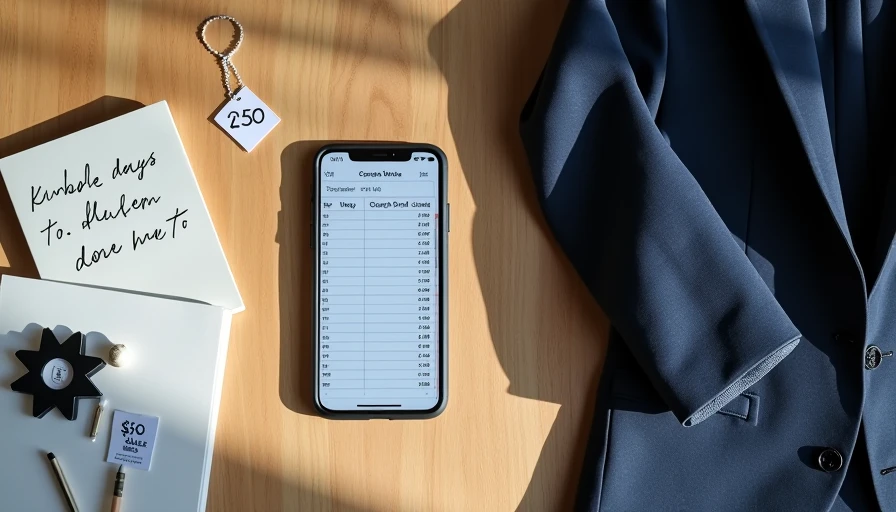
I keep a simple note on my phone for every purchase over $50. Item, price, date, and running tally of wears.
The Spreadsheet That Keeps Me Honest

Every few months, I do a full closet audit. I list items, their cost-per-wear, and how often they’re actually worn. The results are always eye-opening.
One audit revealed I had spent over $800 on pieces worn fewer than five times each. That money could have gone toward high-quality staples that now form the backbone of my wardrobe. The $50 Rule forced me to stop romanticizing potential and start respecting reality.
Derek teases me about my spreadsheets, but even he admits the system works. Our household budget thanks me.
Real Examples from My Own Closet
The Winner: My go-to navy blazer. Purchased for $165. Worn over 200 times across client meetings, date nights, and school drop-offs. Current cost-per-wear: under $0.80. It’s paid for itself many times over.
The Loser: That silk blouse mentioned earlier. Final cost-per-wear: over $40. Donated with lessons learned.
The Surprise: A pair of black ponte joggers bought for $45 (under the rule but tracked anyway). Worn nearly 150 times. Incredible versatility from meetings to weekends.
These numbers aren’t about deprivation. They’re about freedom — freedom from buyer’s remorse and overflowing closets full of unworn items.
How This Rule Changed My Shopping Habits
I now shop much less frequently but with far more confidence. Before buying, I ask:
How does this fit into my existing wardrobe?
What are the realistic scenarios where I’ll wear it?
Can I style it at least 30 different ways?
The $50 Rule acts as a filter. It doesn’t eliminate joy — it eliminates regret. I still buy beautiful things, but only when they make sense for my actual life in East Nashville.
Summer in the South, with its heat and humidity, tested this rule hard. Breathable, versatile pieces that could handle both office air conditioning and outdoor evenings proved their worth quickly.
Lessons for Different Life Stages
As a working mom, this rule became even more important. With limited time and energy, I can’t afford clothes that don’t pull their weight. The women I consult often discover the same thing: they don’t need more clothes. They need better relationships with the ones they have.
Ivy’s growing opinions on clothes have added another layer. She watches me donate pieces that “don’t get worn” and learns early that value comes from use, not just ownership.
Common Objections and My Responses
“But I love this piece!”
Love is great. But does it love you back in repeated wears?
“What about special occasions?”
Those are fine if truly infrequent. Most “special” pieces in my closet turned out to be rarely used.
“This feels too restrictive.”
Actually, it’s liberating. Knowing your money is going toward pieces that serve you reduces decision fatigue and buyer’s remorse.
Your One Actionable Takeaway
This week, pick three items in your closet that cost more than $50. Calculate rough cost-per-wear based on how many times you’ve worn them. Be honest. Then, for your next purchase over $50, apply the rule before buying. Track it.
You might be surprised how quickly this shifts your relationship with shopping. Good clothes, no drama — including the drama of wasted money and regret.
The $50 Rule saved me thousands and helped build a functional, confident wardrobe. It can do the same for you.