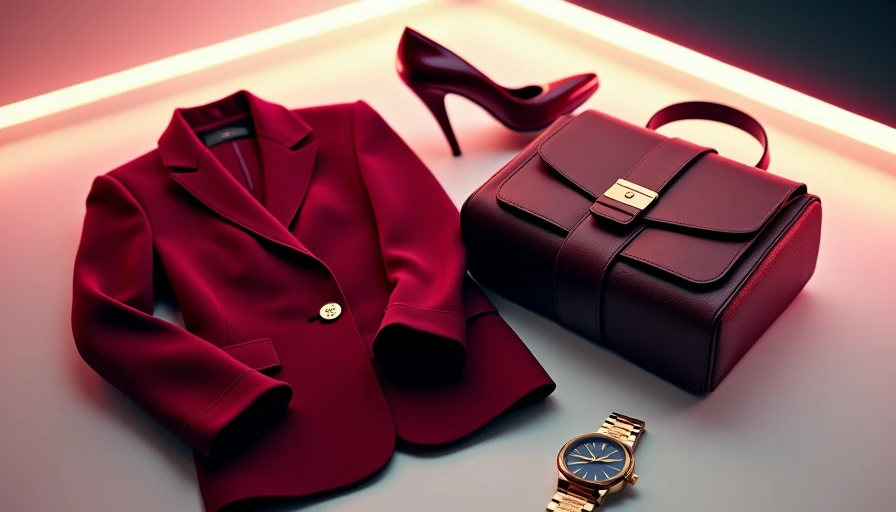

Tuesday, 9:45 AM, the client lobby of the downtown branch I managed for seven years. I was wearing a black ponte blazer, dark trousers that looked more polished than jeans, and loafers with a real heel. Across from me sat a client pulling at the shoulders of a blazer that didn't fit, apologizing for how she looked. I told her what I tell every woman who asks about women's business casual: start with fit, not fashion. That conversation, and a dozen like it in the years that followed, became the reason I started this site.
What "Women's Business Casual" Actually Means
Every office treats the phrase differently. In a bank, business casual meant no jeans, no open-toe shoes, and a collar made of real fabric. At a tech startup down the street, it meant anything without a hoodie. The problem is that most advice about women's business casual comes from people who don't work in an office. They'll suggest a silk jumpsuit or a designer belt. Good luck wearing that to a quarterly review.
Here's my working definition, tested in front of clients for 14 years: business casual is clothing that lets you sit, stand, reach, and shake hands without adjusting yourself. The jacket doesn't gap. The pants don't make you tug when you bend. The shoes don't make you limp by noon.
If you have a closet full of tops you never wear, the reason is usually uncertainty. You know what a suit looks like. You know what jeans and a t-shirt look like. Women's business casual sits in the messy middle. That's why so many professional women own twenty pieces and wear the same three.
The Five Pieces That Do the Heavy Lifting
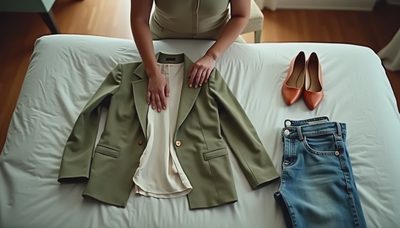
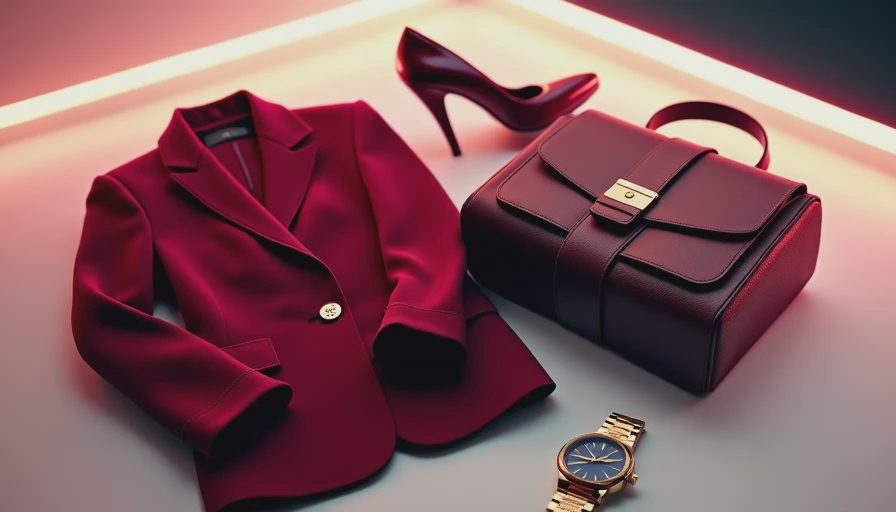
You don't need a new wardrobe. You need five pieces that work together. The first is a blazer with a little structure. My go-to was a knit blazer from Nordstrom's house brand — shoulder seams that stayed put and a hem that hit just below the hip. The second is a pair of wide-leg trousers in a dark color. I own them in black and deep olive. The third is a button-up shirt in breathable cotton, not the stiff kind that pulls. The fourth is a midi skirt that hits at the knee or just below. The fifth is a pair of closed-toe loafers or block heels. If a shoe makes a sound on carpet, it's distracting in a meeting.
How to Build an Outfit in Three Minutes
Mornings are not the time for decisions. I build outfits the night before, but I use the same formula: one structured piece, one relaxed piece, and one piece you genuinely like.
Pick a base: the trousers or the midi skirt. Add a top: the button-up or a plain knit shell. Layer on the blazer for client meetings, or leave it off for an internal day. Finish with the loafers. That formula covers every version of women's business casual I've ever seen, from a law office to a media company.
Here's a real week from my last year at the bank. Monday: olive trousers, white cotton button-up, black loafers. Wednesday: black trousers, grey knit shell, grey blazer. Friday: midi skirt, sleeveless top, low block heel. Every outfit took under four minutes, and none of them needed adjustment by noon.

What to Spend and What to Skip
The expensive blazer is not always the better blazer. Over the years I've worn jackets from Nordstrom, Target, J.Crew, and a clearance rack. The one I reach for most often cost $60. The $400 one I bought right after a promotion went back four days later; the shoulders felt stiff and the buttons pulled when I sat down.
Use my cost-per-wear rule. Any item over $50 goes into a phone note with the price and the date. Every time I wear it, I count a wear. When a blazer drops below $2 per wear, I buy myself an iced coffee. That's how I justify a $120 pair of trousers: after a hundred wears, they cost a dollar and change per wear. Cheaper than a rental dress for a single wedding.
What I Learned From 14 Years in a Bank
The biggest lesson wasn't about brands. Women's business casual is really a confidence problem dressed up as a clothing problem. When the fit is right, you stop thinking about your clothes. When you stop thinking about your clothes, you can give the client your full attention.
I also learned what not to do. Don't buy a blazer that needs dry cleaning every week; you won't wear it. Don't keep shoes that hurt after two hours. Don't let a salesperson convince you that expensive fabric is the same as professional. One of my best shirts came from a clearance table and looked sharper than anything at full price.
One Actionable Takeaway
Stop shopping for a whole new wardrobe. Start with one outfit: a good blazer, dark trousers, a simple top, and closed-toe shoes that don't hurt. Wear it twice this week. Then add a second outfit using the same pieces. Two weeks from now, you'll have four outfits built from five items, and every one will pass the test of sitting across from a client without fidgeting.
That's women's business casual, no drama.