
The Morning Ivy Became My Style Critic
“Mom, that shirt makes you look tired.”
Ivy, age 8, dropped this truth bomb one school morning while I was rushing to get us out the door. I was wearing a perfectly fine gray blouse — safe, professional, boring. She wasn’t being mean. She was just honest in that way only children can be.
That simple comment started a shift in how I think about confidence. As a former Wells Fargo branch manager who spent years worrying about looking competent, I realized I had been dressing to meet invisible standards instead of dressing in a way that made me feel strong and present.
Off the Clock is about living fully outside the office too. My daughter has become one of my best teachers in that area.
What Kids Notice vs. What Adults Overthink
Children don’t care about trends, brands, or “flattering” rules. They notice energy. They see when you feel good in what you’re wearing and when you don’t.
Ivy’s comments over the months have been surprisingly insightful:
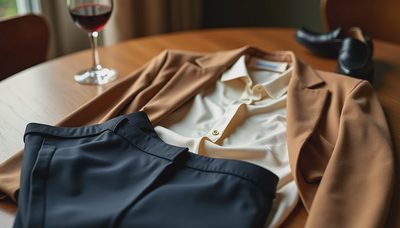
“That jacket makes you look ready for adventure.” (The structured camel blazer)
“I like when you wear bright colors. You smile more.”
“That dress looks like you’re trying too hard.”
She doesn’t analyze proportions or color theory. She reads how the clothes affect my mood and presence. That’s a powerful lesson for any professional woman.
The Confidence Shift That Happened

After several of these conversations, I started experimenting. Instead of defaulting to safe neutrals, I incorporated more pieces that made me feel alive. The result? I showed up differently — to school drop-off, to client meetings, and to evenings with Derek.
Confidence isn’t about looking perfect. It’s about feeling aligned. When your clothes support how you want to move through your day, you carry yourself with more ease.
Ivy’s opinions helped me reconnect with joy in dressing. Not performance. Not approval-seeking. Just honest self-expression that fits my real life in East Nashville.
Practical Lessons I’ve Applied
1. Prioritize How It Makes You Feel
Before buying or wearing something, I now ask: “Does this make me feel like the woman I want to be today?” Ivy’s feedback reinforces this.
2. Color Matters More Than We Admit
Kids are drawn to color and life. I started reintroducing softer blues, warm camels, and occasional brighter accents. The compliments from adults followed naturally.
3. Comfort Enables Presence
Outfits that require constant adjusting steal energy. Ivy notices when I’m fidgeting versus when I’m fully engaged with her.
4. Consistency Over Perfection
She sees the same mom across contexts — work, home, weekends. That consistency builds trust and confidence for both of us.
Stories from Our Everyday Life
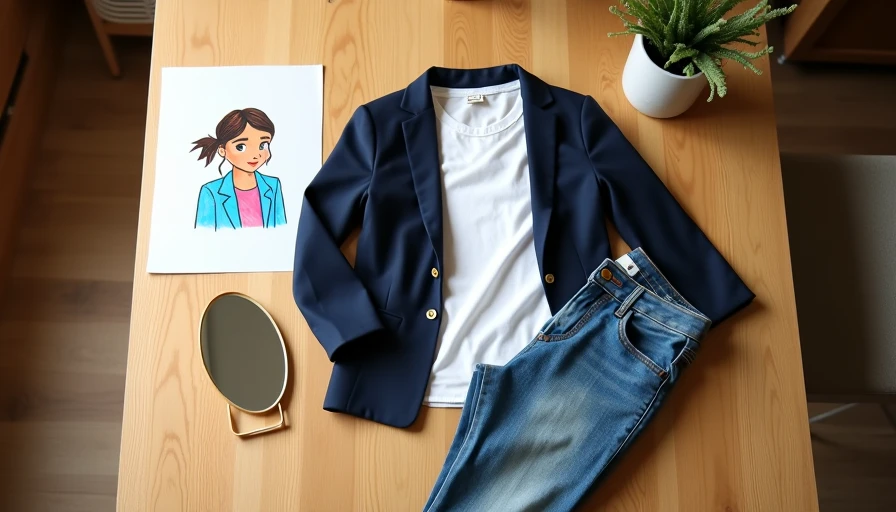
One Friday, I wore a simple white tee with a great blazer and jeans for a casual day that included school pickup. Ivy approved: “You look like Mom who can do everything.” That outfit carried me through a last-minute client call and dinner with Derek.
Another time, I tried a trendy piece that felt off. Ivy’s quiet “Hmm” said enough. I changed, and the rest of the day flowed better.
These small moments with her have made me a better dresser and a more confident woman.
How This Applies to Professional Life
The same principle works in the boardroom. When I stopped overthinking what other people might think and focused on clothes that helped me feel prepared and authentic, my presence improved. Clients responded to the confidence, not the perfection of the outfit.
My consulting work now often includes helping women reconnect with this kind of intuitive dressing. Many are surprised how much lighter they feel when they stop performing.
Balancing Kid Feedback with Adult Reality
Of course, I don’t dress solely based on an 8-year-old’s opinion. But her honest perspective cuts through adult overthinking in valuable ways. It reminds me that authenticity resonates across all ages.
Derek’s illustrations and gentle feedback add another layer, but Ivy’s unfiltered view keeps me grounded.
Your One Actionable Takeaway
Ask a trusted kid (your own or a niece/nephew) what they think of two different outfits. Notice what they respond to. Then try wearing the one that got the positive reaction and observe how it affects your own confidence throughout the day.
Kids remind us that confidence is simpler than we make it. Good clothes help you show up as yourself — fully.
Good clothes, no drama — even when your toughest critic is only 8 years old.