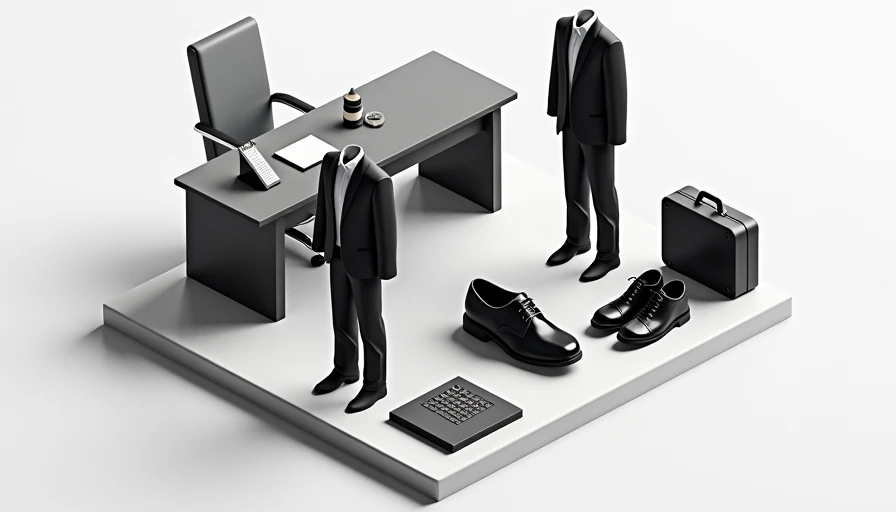

Tuesday, 9:45 a.m., client lobby: I was carrying coffee, a folder, and the quiet concern that my outfit looked more tired than I felt. After 14 years in banking, I learned that office work outfit ideas are only useful when they survive real life: sitting through a two-hour meeting, walking across a parking lot, and handling a surprise introduction without tugging at your sleeves. Good clothes, no drama. That is the standard here.
Start with the dress code you actually have
Before buying anything, look at what people wear on an ordinary Wednesday. Not the holiday party, not the day senior leadership visits, and not the casual Friday when half the office works from home. Notice the range. A corporate office might call for a blazer, tailored pants, and closed-toe shoes. A creative workplace may be comfortable with dark jeans, a knit jacket, and loafers. A client-facing role usually needs one polished layer that can make a simple outfit feel intentional.
Your goal is not to copy one coworker. It is to identify the level of polish that lets you concentrate on your work. If your office runs cold, build around washable layers. If you commute by train or walk several blocks, keep practical shoes under consideration. If you move between a desk and client meetings, choose pieces that look finished after several hours of sitting.
I also recommend taking one quick phone photo before leaving home. Not for social media; for information. You will see whether the jacket pulls when you sit, whether the pants need constant adjusting, and whether the colors work under office lighting.
The five-piece formula that saves a morning
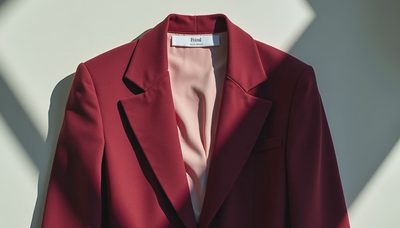
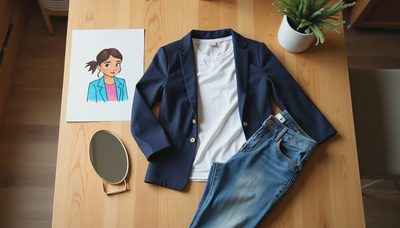
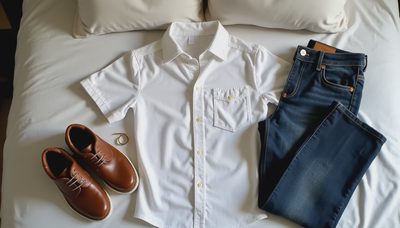
When someone asks me for office work outfit ideas, I usually begin with a simple formula: one structured layer, one comfortable base, one bottom, one practical shoe, and one small finishing detail. The structured layer might be a navy blazer, a collarless jacket, or a substantial cardigan. The base could be a shell, fine-gauge sweater, or button-front shirt. The bottom can be trousers, a midi skirt, or clean dark denim where the workplace allows it.
The formula works because each part has a job. The jacket gives definition for a video call or meeting. The base keeps you comfortable at your desk. The bottom handles sitting and walking. The shoe needs to support your actual schedule, not an imaginary version of it. The finishing detail could be a watch, simple earrings, a belt, or a scarf.
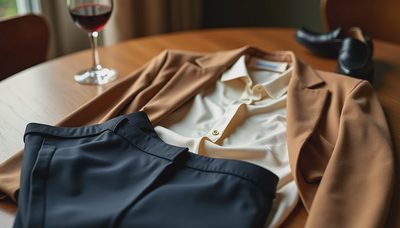
For example, navy trousers, an ivory shell, a gray blazer, leather loafers, and small gold hoops create a reliable Monday outfit. Change the shell to a striped knit and the loafers to low block heels, and the same core pieces can carry you into a client presentation.
Office work outfit ideas for busy meeting days
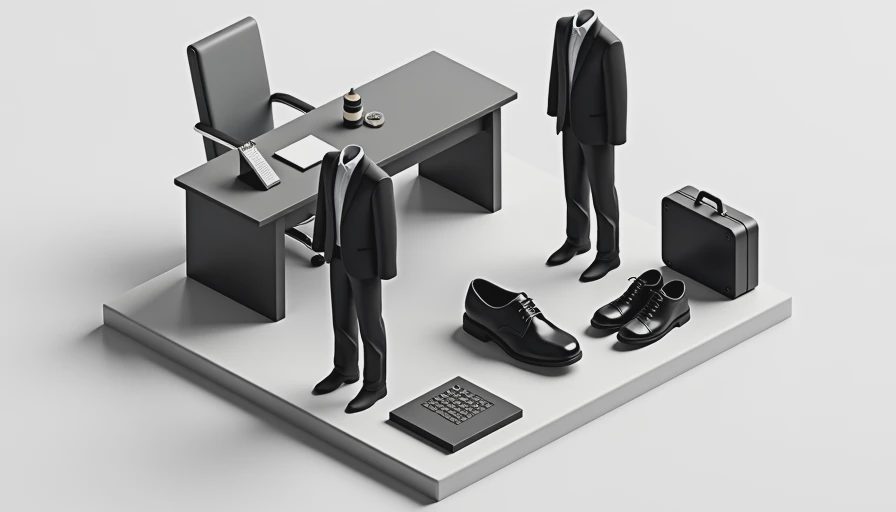
A meeting-heavy day needs clothes that stay quiet while you do your job. I learned this after sitting through a quarterly review in a jacket with a zipper that kept catching on the conference table. The jacket looked sharp for five minutes and distracted me for two hours. Comfort is not a bonus; it is part of looking composed.
Try straight-leg trousers with a knit top and a blazer that closes comfortably when seated. Look for enough room to reach across a table without the sleeves riding up. A midi dress can also work well, especially with a washable fabric and a jacket nearby. Choose a neckline that does not require constant checking when you lean forward.
For presentations, consider a low block heel, polished loafer, or sleek flat. Brands such as Naturalizer, Cole Haan, and Clarks offer work-appropriate options in several heel heights, but the useful test is simple: can you walk from your desk to the lobby without thinking about your feet? If not, the shoe is not earning space in your closet.
A tote with room for a laptop, charger, and slim folder prevents the final scramble. Keep jewelry restrained enough that it does not click against a keyboard or microphone. The best outfit is the one that disappears once the meeting begins.
Build combinations instead of buying random pieces
A closet becomes easier when every new item has at least three clear partners. This is one of the most practical office work outfit ideas because it changes how you shop. Before purchasing a patterned blouse, ask whether it works with your navy trousers, gray skirt, and favorite jacket. If it only works with one pair of pants, it is probably an occasional item rather than a wardrobe foundation.
Start with a small color plan. Navy, black, charcoal, camel, cream, and soft blue are easy to combine without looking repetitive. You can add burgundy, forest green, or a muted print when you want interest. The point is not to own only neutrals. It is to make getting dressed feel more like choosing from a menu than solving a puzzle.
Write down the combinations that work in your phone. A note might say: charcoal pants, blue shirt, tan belt, loafers. Take a mirror photo when the outfit feels good. On a rushed morning, five saved combinations are more useful than 40 pieces you cannot coordinate.
I use cost per wear as a reality check. A $120 blazer worn 60 times costs $2 per wear. A $45 blouse worn twice costs $22.50 per wear. That math has stopped me from buying many attractive pieces that did not fit my actual week.
Practical outfits for casual and hybrid offices
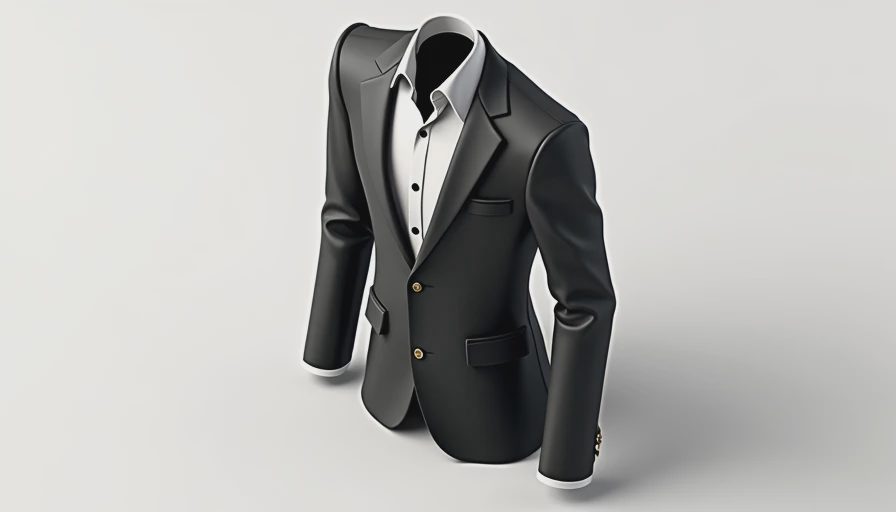
Casual does not have to mean unplanned. For a hybrid office, try dark straight-leg jeans with a soft blazer, a tucked knit top, and loafers. A ponte pant with a crisp shirt creates a similar effect when denim is not appropriate. On work-from-home days with an afternoon video call, keep a jacket or cardigan on the back of your chair and make sure the top half looks finished without being fussy.
A monochromatic outfit is another dependable option: black pants, a charcoal sweater, and a black or gray jacket. Different textures keep it from looking flat. You could also pair tan trousers with a cream sweater and brown loafers for a warmer, less formal combination.
Avoid saving your most uncomfortable clothes for office days. If a waistband digs in after lunch, if a sleeve needs rolling every hour, or if a shoe changes your walking route, the outfit is giving you too much to manage. Alterations can help with hems and sleeve length, while a tailor can sometimes improve a jacket's fit for $25 to $75. That expense is often more useful than another new top.
A five-minute plan for tomorrow morning
Choose tomorrow's outfit tonight and test the full combination, including shoes, bag, and outer layer. Sit down in it. Reach forward. Put your hands in the pockets. If anything requires repeated adjusting, replace that item before morning.
Then check the calendar. A desk-heavy day can handle a softer sweater and flat shoes. A client appointment deserves a more structured layer. A team lunch may call for one interesting detail, such as a printed blouse or colorful earrings, rather than an entirely new outfit.
Keep an emergency kit at work with a lint roller, stain pen, small sewing kit, backup tights if you wear them, and a pair of simple earrings. I also keep comfortable flats in the car during long event days. These small preparations do more for confidence than buying a dramatic statement piece.
The most useful office work outfit ideas are the ones you can repeat, adapt, and wear without mental noise. Pick one formula this week, photograph it, and note what worked after eight hours. That single experiment will teach you more about your wardrobe than another hour of scrolling. Good clothes, no drama.