

Tuesday, 8:10 a.m., and I am standing in the kitchen with one shoe on while Ivy looks for her library book. This is exactly when outfit ideas work casual need to be useful, not aspirational. You need clothes that handle a school drop-off, a conference call, a client meeting, and the walk from a hot parking lot without requiring a full costume change.
After 14 years managing a bank branch, I learned that work-casual dressing is not about owning more clothes. It is about building combinations that look intentional from the moment you sit down. Good clothes, no drama. Start with a few reliable shapes, repeat your best formulas, and let accessories do the small amount of heavy lifting.
What Work Casual Actually Means
Work casual usually sits between formal business attire and weekend clothing. The exact line depends on your office, but a useful test is this: could you walk into an unexpected meeting with a customer or senior manager and feel appropriately dressed? If the answer is yes, the outfit is probably doing its job.
A knit top with tailored trousers works better than a graphic T-shirt with distressed jeans. A clean leather sneaker can work in a relaxed office, while flip-flops usually belong elsewhere. A cardigan, polished loafer, or simple jacket can shift an outfit from casual to capable in less than a minute.
The best outfit ideas work casual do not depend on a particular age, size, or body type. They depend on comfort, clean lines, and context. If your office is conservative, use a blazer and closed-toe shoe as your anchors. If the dress code is looser, start with dark denim and add one structured piece.
The Five Pieces That Make Mornings Easier
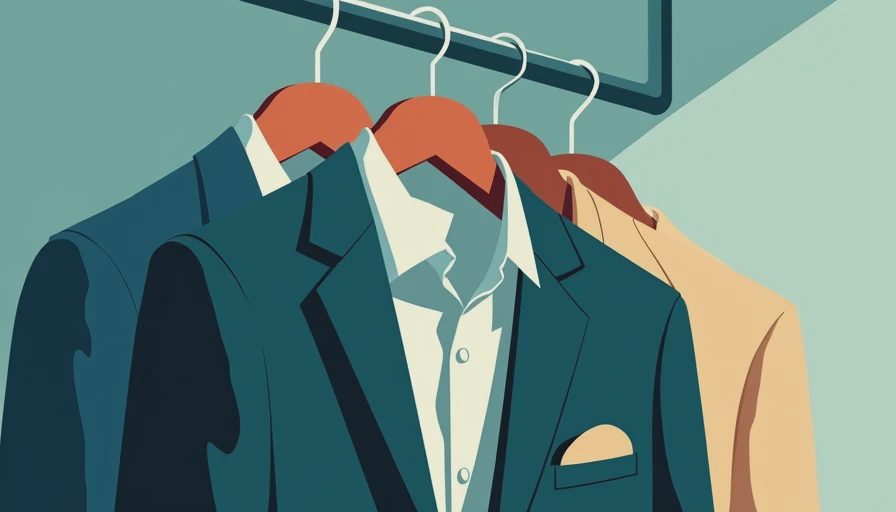
You do not need a capsule wardrobe with a strict number of items. You need a small group of pieces that cooperate. My practical starting point is one navy or charcoal blazer, two pairs of comfortable trousers, dark straight-leg jeans, three washable tops, and one pair each of loafers and low block heels.
A blazer should let you move your arms and sit comfortably. The sleeve should not swallow your hand, and the front should lie flat when you are seated in a client chair. Trousers should stay put when you bend to pick up a dropped pen. Those details matter more than the label inside the garment.
A white or pale blue button-front shirt gives you an easy base, but it does not have to be stiff. A fine-gauge sweater in burgundy, olive, camel, or navy brings color without shouting. Ponte pants are useful when you want the visual neatness of trousers with the comfort of leggings, though the fabric should be substantial and the fit should read as office clothing.

Outfit Ideas Work Casual for Meetings and Commutes
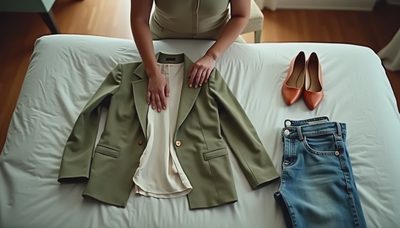
For a client-facing day, I would choose navy ankle trousers, a cream shell, a medium-weight blazer, and loafers. This combination looks composed during a presentation and remains comfortable on the drive home. If the meeting becomes more formal, add a small pendant and switch to a low heel. Nothing about the base outfit has to change.
For a regular office day, try dark straight-leg jeans, a striped knit top, a camel cardigan, and leather sneakers. The cardigan provides enough structure for a desk-side conversation, while the sneakers make a long commute less punishing. Keep the denim free of fading at the thighs, fraying, or large decorative details.
Another of my favorite outfit ideas work casual is a midi dress with a cropped jacket and simple flats. The dress solves the matching problem, and the jacket gives the outfit a work-ready frame. Choose a hem that lets you climb stairs comfortably and fabric that does not need constant tugging. A dress with pockets gets extra credit in my book.
How to Use Color Without Making Shopping Harder
Color becomes easier when you choose two neutrals and one accent. Navy and tan can support burgundy, teal, or soft green. Black and gray can support rust, cobalt, or plum. You do not need every color to match every other color; you need enough overlap to make several outfits without a morning negotiation.
A simple color plan also helps with cost-per-wear. I keep a note on my phone for every item over $50. A $120 blazer worn 60 times costs $2 per wear, which is a better purchase than a $45 jacket that hangs untouched. Before buying, imagine at least three existing outfits, including one you could wear on a busy Monday.
Shoes deserve the same calculation. A $90 loafer that works with trousers, jeans, and dresses can earn its place quickly. Look for a stable sole, enough room to move your toes, and a heel you can manage across your actual workplace. A beautiful shoe that hurts before lunch is not a bargain.
Outfit Ideas Work Casual for Heat, Cold, and Long Days
Nashville heat taught me to plan for the entire building, not just the weather. Outside may feel like summer, while the conference room feels refrigerated. A sleeveless shell under a lightweight cardigan gives you options. Linen-blend trousers, washable knits, and unlined jackets can feel more practical than heavy suiting from May through September.
In colder months, layer a thin turtleneck under a blazer or wear a sweater over a collared shirt. Keep one office-friendly layer at your desk so a surprise temperature change does not derail the day. Neutral layers also make repeat outfits look intentional rather than accidental.
For outfit ideas work casual that survive a long day, pay attention to fabric recovery. Stretch can help, but too much thin stretch can show every wrinkle by 3 p.m. Ponte, wool blends, cotton poplin, and heavier jersey often hold their shape better. Bring a small lint roller and stain pen to work; those two inexpensive tools have rescued more than one client afternoon.
A Five-Minute Check Before You Leave
Stand in front of a mirror and check the outfit while sitting as well as standing. Does the blouse gap when you reach forward? Does the jacket bunch at the back? Are the pants dragging near the heel? Can you walk briskly without thinking about your shoes? Those answers tell you more than a fitting-room pose.
Then check the meeting calendar. A casual outfit that works for internal planning may need one stronger element for a presentation. That element could be a jacket, a watch, a polished shoe, or a deeper color. You do not need to rebuild the outfit; you only need to give it a clear point of view.
My most dependable outfit ideas work casual follow this formula: one comfortable base, one structured layer, and one finished detail. The base gets you through the day, the layer handles changing expectations, and the detail makes the combination feel chosen.
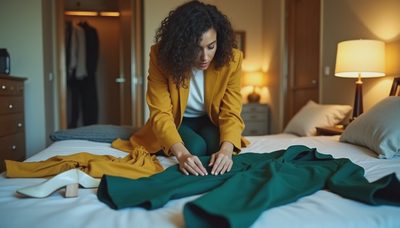
Start tomorrow by planning one outfit before bed. Put the shoes beside it, check the weather, and remove anything that requires special styling. The goal is not to look dressed up. It is to look ready for the room you are entering, with enough comfort left for the life waiting afterward.