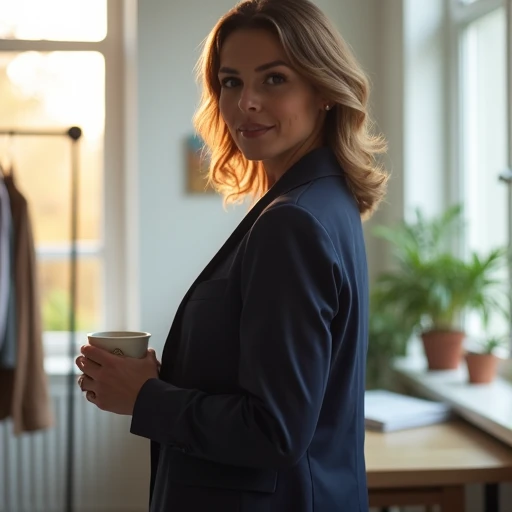
Tuesday, 9:45 a.m., and you are walking into a client meeting with coffee in one hand and a cardigan that keeps sliding off your shoulder. I have been there. The best ideas for casual work outfits are not built around a closet full of new clothes. They come from a few dependable pieces that can handle a conference room, a school pickup, and an unexpectedly cold office without making you feel overdressed.
Casual workwear still needs intention. That does not mean stiff tailoring or uncomfortable shoes. It means combining one polished element with comfortable basics, then checking that everything looks finished from the front, back, and seated position. After 14 years in bank branches and client-facing offices, I learned that a reliable outfit is one you stop thinking about after you leave the house.
Start with the right casual work foundation
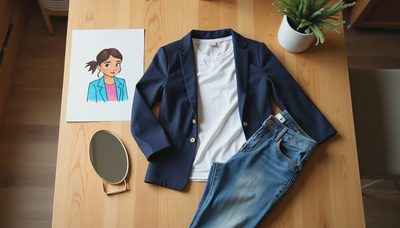
The easiest place to begin is a straight-leg trouser, a dark ankle pant, or a clean, non-distressed pair of jeans if your workplace allows denim. Add a fine-gauge sweater, a tucked-in knit top, or a simple button-down. The third piece does most of the visual work: a blazer, cropped jacket, long cardigan, or polished vest gives the outfit a clear endpoint.
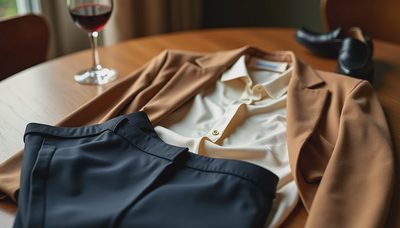
For example, navy trousers with a cream knit top and a camel cardigan feel approachable but prepared. Dark jeans with a pale blue shirt and a black blazer can move from a regular workday to dinner. Olive chinos with a striped top and loafers are useful in a creative office where a suit would feel out of place.
Choose fabrics that survive actual movement. Ponte, washable wool blends, cotton poplin, and substantial knits usually hold their shape better than thin jersey. A top that needs constant tucking is not a bargain, even if it cost $25. I track cost per wear on my phone, and a $90 blazer worn 45 times is a better purchase than a $35 shirt abandoned after two frustrating mornings.
Build ideas for casual work outfits around one polished piece
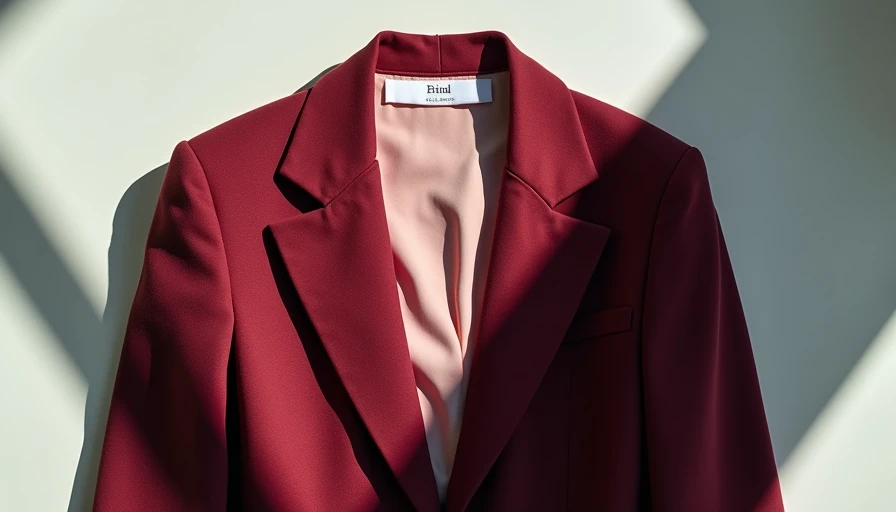
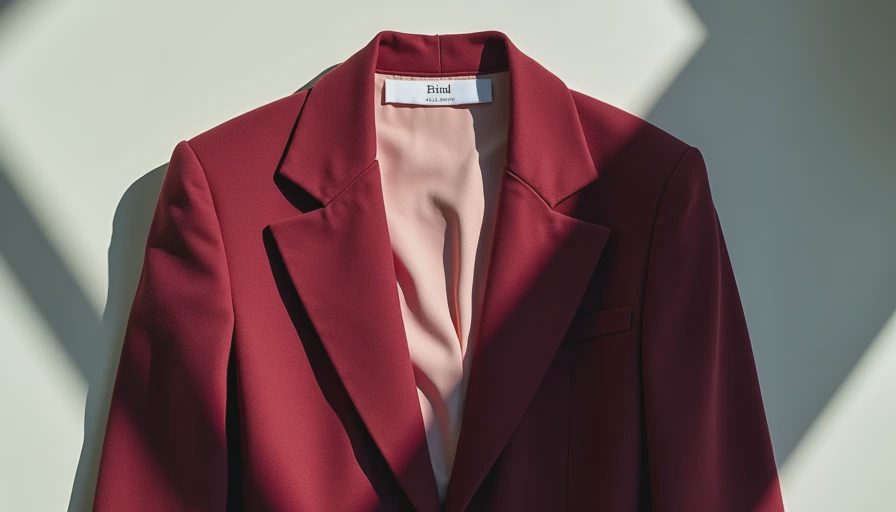
When an outfit feels too casual, do not automatically add more accessories. Add one piece with structure. A softly tailored blazer is the obvious choice, but it is not the only one. A collarless jacket, substantial cardigan, neat trench coat, or leather belt can create the same sense of order.
One of my favorite ideas for casual work outfits is the simple contrast formula: relaxed bottom, polished top; or polished bottom, relaxed top. Try wide-leg pull-on pants with a crisp shirt, or tailored pants with a cotton crewneck sweater. The contrast keeps the outfit from looking like loungewear or a formal uniform.
Pay attention to where a jacket ends when you sit in a client chair. If it bunches at your waist or pulls across the back, it will distract you all morning. You do not need a designer label here. Brands such as J.Crew, Banana Republic, Quince, and Nordstrom house lines often offer useful blazers at different price points, while thrift and consignment shops can turn up excellent older jackets with better fabric than many fast-fashion options.
Color can provide polish without making the outfit complicated. A navy jacket works with gray, cream, denim, burgundy, and olive. A chocolate-brown belt and loafers can soften black trousers. If you prefer a quiet wardrobe, use one color family from head to toe and let texture create interest.
Easy combinations for different office days
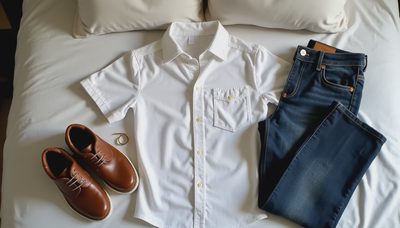
For a regular office day, wear ankle pants, a knit top, loafers, and a short jacket. This combination is comfortable during a commute and still looks deliberate when you step into a meeting. For a casual Friday, try dark straight-leg jeans, a tucked striped shirt, a belt, and pointed flats. The dark denim keeps the outfit grounded, while the stripe gives it a little personality.
For a presentation, start with trousers and a blazer, then use a simple shell or fine sweater underneath. You want the jacket to stay in place when you are standing at a whiteboard and the top to remain comfortable when you sit for an hour. A low block heel, leather loafer, or clean ballet flat will look professional without turning the walk from the parking lot into a negotiation.
For a warm-weather office, linen-blend pants, a sleeveless shell with enough shoulder coverage, and a lightweight jacket are practical. Keep a cardigan at your desk for aggressive air conditioning. In colder months, layer a thin turtleneck under a blazer or wear a sweater dress with opaque tights and flat boots. These ideas for casual work outfits work because they account for temperature, movement, and the surprise meeting.
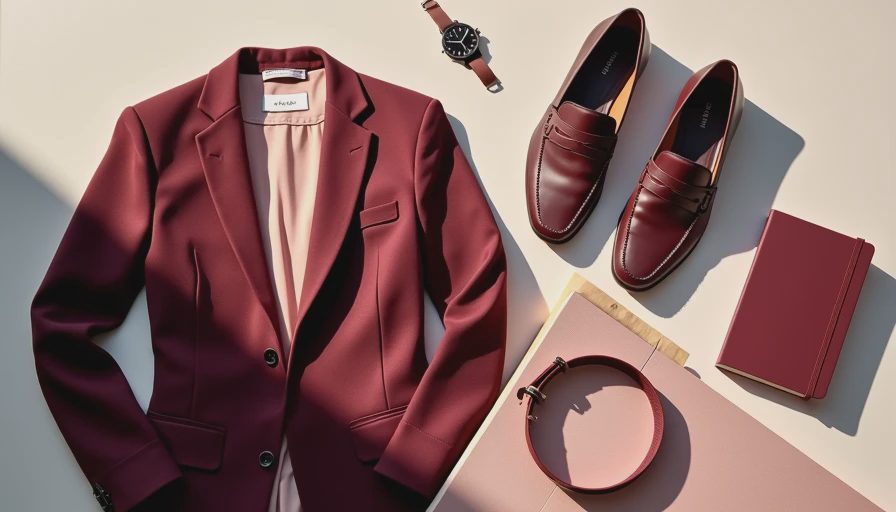
Shoes and accessories that finish the look
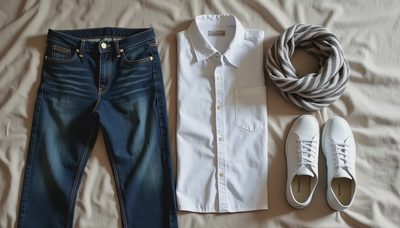
Shoes should support the workday you actually have. Leather loafers, simple sneakers approved by your office, low block heels, ankle boots, and pointed flats can all work when they are clean and in good condition. A white sneaker with a tailored pant may be perfectly appropriate in one office and too relaxed in another, so let your workplace set the boundary.
Keep accessories useful. A medium-size tote can carry a laptop without swallowing your wallet, and a structured crossbody is helpful after work. Small hoop earrings, a watch, or a simple chain make a basic outfit feel complete. You do not need a statement necklace every morning. In fact, a quiet outfit often looks more confident when only one detail is interesting.
Before leaving, check the practical details: lint, loose threads, wrinkled collars, visible camisole straps, and shoes that need attention. I keep a small roller and stain pen in my work bag. That five-minute inspection has saved more outfits than any shopping trip.
A realistic five-day outfit rotation
A useful work wardrobe does not require five completely different looks. Start with two pairs of trousers, one pair of dark jeans if allowed, two jackets, three knit tops, one button-down, and two pairs of comfortable shoes. That small group can create more than a week of combinations by changing the third piece and accessories.
Monday can be navy trousers, a cream sweater, and a gray blazer. Tuesday can use the same trousers with a blue button-down and cardigan. Wednesday becomes dark jeans, a black knit top, and the gray blazer. Thursday brings olive pants, a striped shirt, and loafers. Friday can repeat the cream sweater with jeans and a jacket, provided the setting allows it.
The point is not to hide repetition. Repeating successful combinations saves time and reduces morning decisions. These ideas for casual work outfits become genuinely useful when you can get dressed while packing lunches, finding a missing shoe, and answering a question about homework.
The one takeaway to use tomorrow
Choose your bottom first, add a comfortable top, and finish with one piece that has structure. Then sit down, walk across the room, and look at yourself from the back. If the outfit stays comfortable and looks intentional, it is ready for work. Good clothes, no drama.