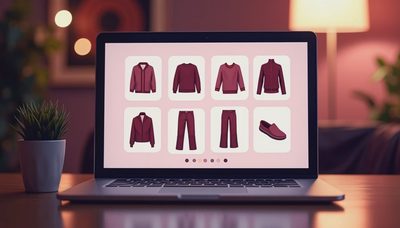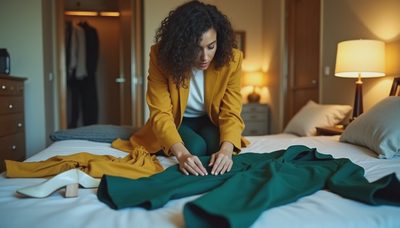
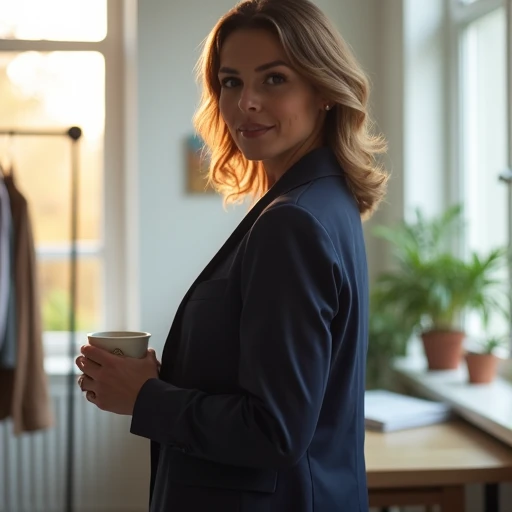
On a Tuesday at 9:45, when the lobby was full and my blazer was pulling across the shoulders, I kept thinking about casual work outfit ideas. The best ones do one job: make a busy morning look planned before you’ve had your coffee. If you work in an office, commute, or bounce between school drop-off and client meetings, you do not need a costume. You need a few combinations that sit between polished and relaxed, with no drama.
Casual work outfit ideas that start with one good base
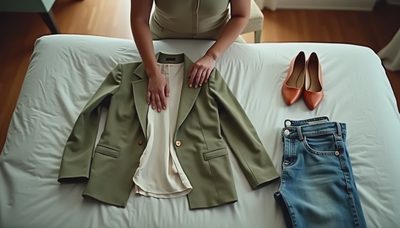
Start with one base piece that looks clean from six feet away. A knit top with a little shape at the neck, straight-leg ankle pants, and a loafer is about as safe as it gets, and that is a compliment. If your office leans more relaxed, swap the trouser for dark denim with no fading and no distressing. The trick is to choose pieces that look deliberate, not fussy. A black sweater with a smooth finish, a crisp tee under a cardigan, or a fine-gauge mock neck can carry most weekdays without making you feel dressed up for no reason.
I like to think in terms of visible effort. If the fabric looks slumpy, the outfit will read sloppy even when the fit is fine. If the shoe is clean, the hem is intentional, and the bag has structure, people read the whole thing as professional. That matters on days when you are answering email, walking into a meeting, and picking up takeout on the way home.
The fabrics that make relaxed clothes look ready for work
This is where a lot of outfits fall apart. Jersey can be comfortable, but thin jersey usually looks tired by lunch. Ribbed knits, ponte, twill, poplin, and denim with a bit of weight hold their shape better and do more for you on a long day. You do not need luxury labels to get there. A sweater from J.Crew, a trouser from Banana Republic, or a simple button-up from Talbots can all work if the cut is clean and the color is calm.
I also like pieces that do not fight the body when you sit down. A blouse that pulls at the buttons or pants that twist at the waistband will keep you adjusting yourself all day. That is not a style problem; it is a distraction problem. If you are buying with a budget in mind, I would rather see one $120 pant worn twice a week than three $40 pairs that never feel right. That is how good clothes become good value.
Three outfit formulas that cover most of the week
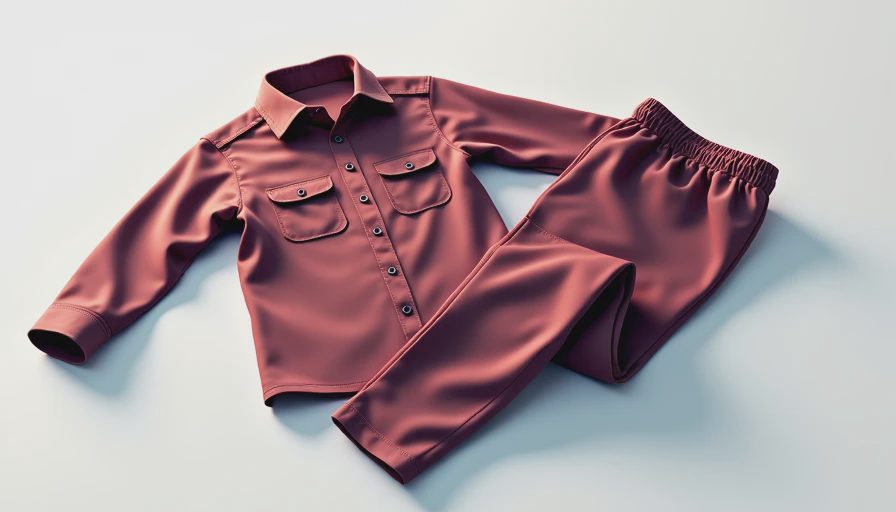
When my clients ask for a shortcut, I give them formulas, not a pile of shopping links. One: straight-leg trouser, tucked knit, low heel or loafer, and a slim belt. Two: dark jean, polished tee, long cardigan, and ankle boot. Three: midi skirt, simple sweater, and a clean sneaker if the office allows it. Each one works because the pieces balance each other. Nothing is too tight, too flimsy, or too sporty to confuse the room.
If you live in real life, this kind of repeatability matters. The same black pant can look different with a cream sweater on Monday, a striped tee on Wednesday, and a silky shell on Friday. That is where the outfit math gets useful. A closet with six dependable tops, three bottoms, and two layers is more valuable than a rack full of one-off purchases that only work with one other thing you own.
Shoes and bags do more than people think
Shoes change the message fast. A clean loafer says you meant it. A block heel says you can stay all afternoon. A minimalist sneaker can work if the rest of the outfit is tidy, but a bulky trainer often makes the whole look feel like a weekend errand. I keep one pair of black loafers, one pair of nude or tan flats, and one low heel in rotation because they cover most office situations without making my feet miserable.
The bag matters for the same reason. A soft tote can be fine, but a bag with some shape makes even simple clothes look more put together. This is also where cost-per-wear starts to make sense. If a blazer costs $160 and you wear it 40 times, you are under $4 a wear. That is better than buying three cheaper jackets that stay in the closet because the shoulders are awkward or the lining feels scratchy. I keep those numbers on my phone for a reason.
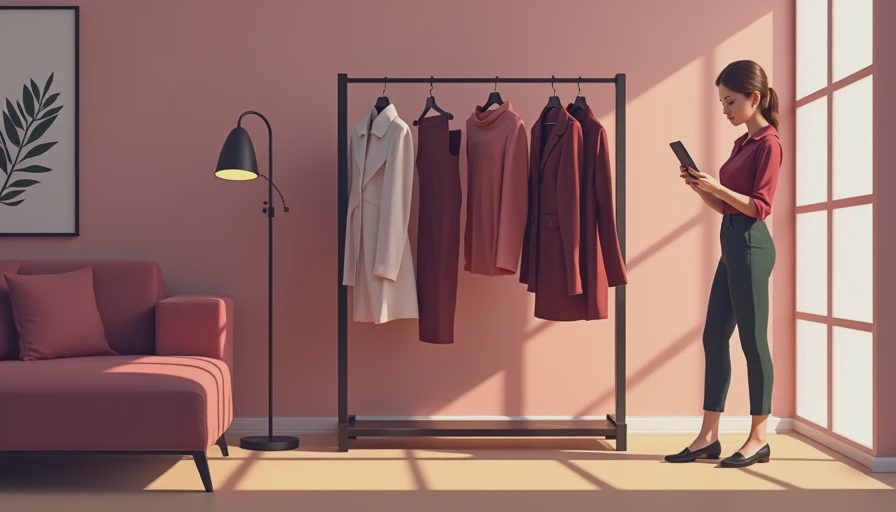
When casual turns into client day
This is the moment when casual work outfit ideas need a fast upgrade. Maybe you started in a sweater and dark jeans, then learned the afternoon includes a client presentation. Do not panic-shop your way into it. Add one sharper layer, switch to a closed-toe shoe, and make sure the bag and jewelry look intentional. A simple blazer over a knit top changes the whole temperature of the outfit. So does a tucked blouse with a real collar instead of a stretched-out tee.
I used this move all the time at Wells Fargo. One minute I was answering branch questions, the next I was sitting with a small-business owner who cared more about competence than fashion, but still noticed if I looked scattered. That is why the best casual clothes are not lazy clothes. They are the clothes that give you room to move without making you look like you forgot where you were going.
Build the rotation, then stop shopping
The whole point of casual work outfit ideas is that you can stop overthinking the morning. Start with two pants, two knit tops, one blouse, one cardigan, one blazer, and two pairs of shoes. Wear each piece in at least three combinations before you buy anything else. That one habit cuts the impulse shopping that happens when you are tired and standing in a dressing room under bad lighting.
If you want the fastest win, pick the item you already wear most and upgrade that first. For some women it is a better trouser. For others it is a shoe that does not pinch or a sweater that keeps its shape after two washes. Good clothes, no drama. That is the whole idea, and once your closet starts doing the work for you, the whole point of casual work outfit ideas is that you can stop overthinking the morning.