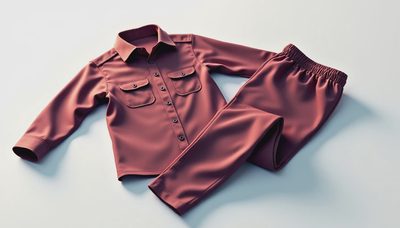
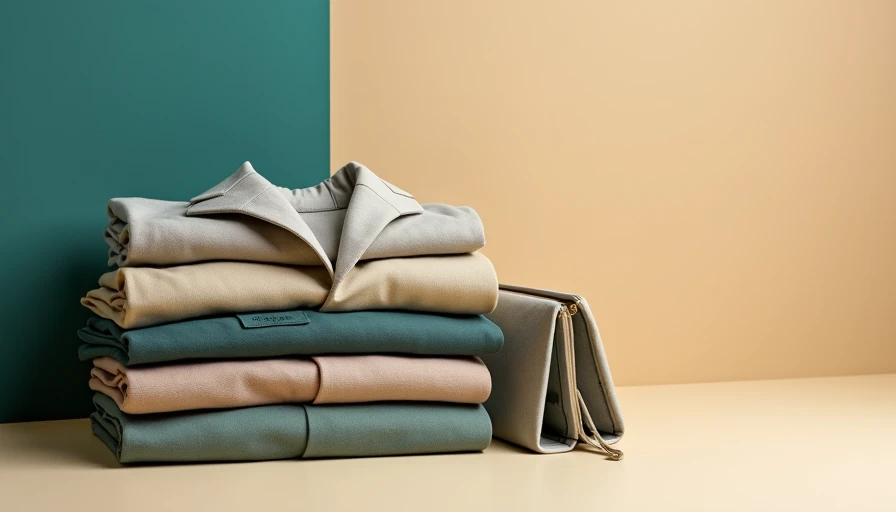

Tuesday, 9:45 a.m., client lobby, and I can tell in the mirror that my blazer is doing the wrong thing across my shoulders. That is usually the moment women decide they need a new closet, but most of the time they need a clearer one. A capsule wardrobe for work women is not about owning less for sport. It is about owning the right pieces so the morning does not turn into a scavenger hunt. If you have seven minutes before school drop-off and a meeting at 10, you want clothes that already know how to behave.
The easiest way to think about it is this: your work clothes should work harder than your calendar. If the same pants can take you from a staff meeting to lunch with a client to dinner with your kid’s teacher, they earn their keep. If a blouse only looks right when everything else around it is special, it is taking up too much space. I learned that at Wells Fargo, where a polished outfit bought me a little extra trust before I said a word.
Start with the pieces that survive a real work week
Start with one blazer, two pairs of pants, two tops, one dress, and one shoe you can walk in. That is enough to build momentum without making your closet feel like a retail floor. In most offices, a navy, black, charcoal, or camel blazer does the heavy lifting. J.Crew, Banana Republic, Ann Taylor, Talbots, and Quince all have versions that can work, depending on your budget and your tolerance for tailoring. A decent blazer often lands between $120 and $250; if it fits straight off the hanger, that is a lucky day, not the rule.
For pants, look for a straight or slim cut that does not fight you when you sit down. A pair in the $70 to $140 range from Loft, Banana Republic, or Everlane is usually a solid starting point. Then add simple tops that layer well under a jacket and do not need constant fussing. A knit shell, a fine-gauge sweater, or a blouse with a little structure is more useful than a closet full of trendy prints. If you can wash it, steam it quickly, and wear it again next week, it belongs in the conversation.
How I build a capsule wardrobe for work women without buying a whole new closet
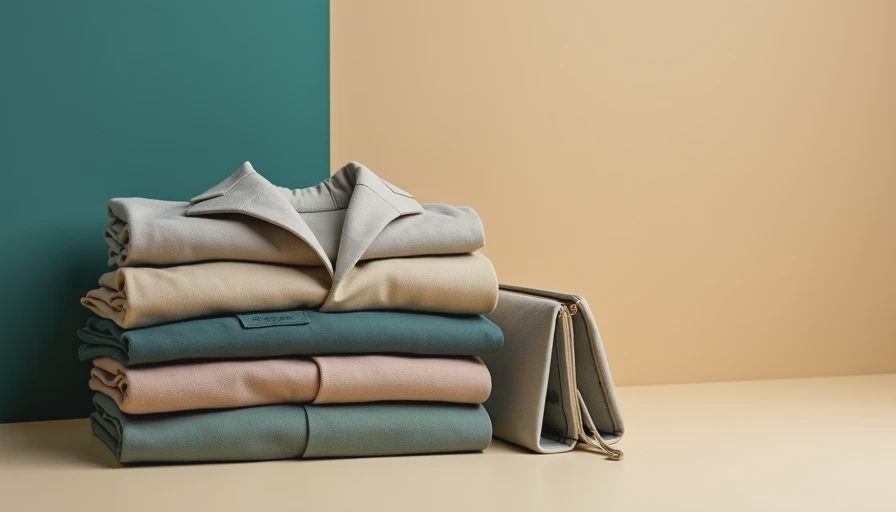
I start with color, because color keeps the whole thing calm. Two neutrals and one accent is usually enough. Navy and black work if you like a sharper look. Camel and cream feel softer. Add one accent color you actually wear, not the one that looks great on a Pinterest board and disappears in real life. Deep green, wine, or cobalt can do a lot of work without making your outfits loud.
Then I look at the calendar, not the mood board. If your week includes presentations, preschool pickup, and a Thursday lunch that matters, your closet needs pieces that can move between those settings without making you change in the parking lot. That is where a capsule wardrobe for work women pays off. A blazer with trousers handles a client meeting. The same blazer over a knit dress handles a panel discussion. A sweater with a midi skirt handles a more relaxed office and still looks like you meant it.
The other thing I watch is fabric. Polyester is not the enemy, but cheap, shiny polyester can make a nice outfit look tired fast. A little stretch is helpful. A little weight helps more. If a shirt wrinkles after a ten-minute drive, I do not care how flattering the cut is, because it will spend the day looking like you fought with it in the car.
The outfit formulas that save weekday mornings
Once the pieces are in place, I build repeatable formulas. Monday can be blazer, trouser, and knit top. Wednesday can be sweater, skirt, and loafers. Friday can be dress, lightweight jacket, and low block heel. The point is not to make every outfit different. The point is to make every outfit dependable. When the basic formula works, you stop staring at the closet and start getting dressed.
This is also where cost per wear starts telling the truth. If a $180 blazer gets worn 45 times, that is four dollars a wear before you even count the confidence it gives you walking into a room. I keep a cost-per-wear note on my phone for anything over $50, because it keeps me honest. A $90 pair of loafers that survives two seasons and goes with five outfits is a better buy than a sale shoe you can barely tolerate for one afternoon.
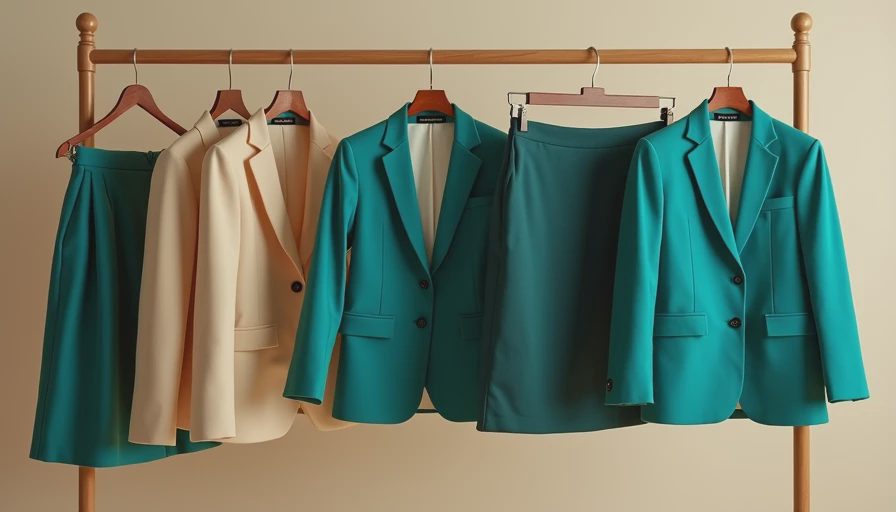
One client I worked with had 14 work tops, three of them good, and nothing she could wear with the pants she already owned. We moved her into a black pant, a navy pant, a cream shell, a striped knit, a blue blouse, and one blazer. Suddenly she had enough combinations for two weeks without repeating the same look. That is the kind of quiet math that makes a closet feel expensive without actually being expensive.
What to buy first if your closet is already crowded
If your closet is crowded, do not buy another random top and call it progress. Start with the pieces that make the rest of the closet easier. For most women, that means a blazer that fits in the shoulders, pants that hem cleanly over your shoe, and one top that layers under everything. After that, add a dress only if you truly wear dresses to work. If you do not, skip it and put that money toward a better pant or a more comfortable shoe.
A lot of women do well with workwear from M.M.LaFleur, Spanx, Ann Taylor, Loft, and Everlane because the pieces tend to be office-friendly without looking stiff. None of those brands are magic. They just understand the assignment. You still need to check the rise on the pants, the length of the sleeve, and whether the fabric will survive a full day in a car, at a desk, and under fluorescent lights.
This is also the moment for alterations. A hem for $20 to $30 can turn an almost-good pant into the pair you wear every week. A waist nip on a blazer can do the same. I would rather see a woman buy three items and tailor two than buy seven things and wear none of them.
Keep the closet useful, not just pretty
The cleanest system is the one you can repeat in a hurry. I like a seasonal check-in where anything unworn gets a hard look. If you have not reached for it in six months, ask why. Wrong color, bad fit, fussy fabric, or just not your life anymore are all honest answers. The goal is not to own a tiny wardrobe. The goal is to own a wardrobe that shows up.
A good rule is to let every new piece earn a place by matching at least three things you already own. If it only works with one skirt or one pair of pants, it is probably too specific. And if you bring home a new blazer, something else can leave. That is how the closet stays breathable instead of bloated.
A capsule wardrobe for work women should make Monday easier, not feel like homework. Good clothes, no drama. Before you buy anything else, pull out the five pieces you wear most and build your next outfit from there.