
Tuesday, 9:45 AM, client lobby, and I'm watching a woman I respect tug at the collar of a blazer that stopped fitting three years ago. She's brilliant at her job. But for that first thirty seconds, the outfit gets in the way. I spent fourteen years as a branch manager at Wells Fargo, and if there's one thing I learned, it's that business casual outfits for women don't have to be complicated or expensive. They just have to fit, work together, and make you feel like you can walk into any room without checking yourself in the glass. Here's the system I use with my wardrobe consulting clients — and the one I wish someone had handed me at twenty-five.
What "Business Casual" Actually Means in a Real Office
The term gets thrown around like it means something specific. In my fourteen years in banking, it meant a lot of things depending on the city. In Nashville, it can mean dark jeans with a blazer. In Charlotte, it might mean a dress and low heels. But in almost every office, the safe middle ground is this: pants that read as tailored, a top without a graphic or slogan, and shoes that cover your toes and keep you quiet when you walk. You don't need a suit. You don't need a uniform. You need a handful of pieces that work together. Think of it as a system, not a shopping list. Once you know what works for your particular office, you can stop guessing every morning. That's the whole point. The women I consult with are not looking for trends. They're looking for five minutes back in their day and one less decision in a meeting-heavy week. That's what business casual should do — get out of the way and let you be the most credible person in the room.
The Five-Piece Foundation That Covers Every Meeting
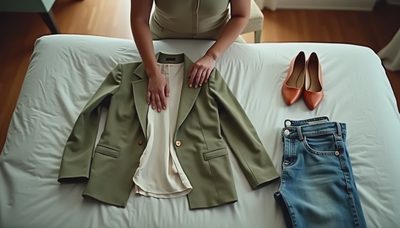
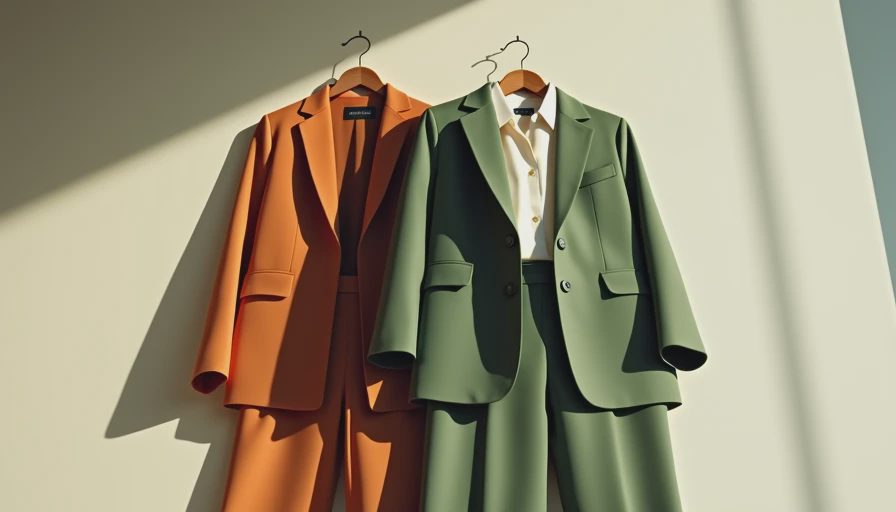
Let's talk about the actual pieces. Every woman I've worked with, whether she's an accountant or a marketing director, needs five things in rotation: one blazer that fits across the shoulders, one pair of tailored trousers in a neutral, one simple sheath dress, three or four quality tops, and one pair of loafers or low heels you can stand in for a full day. That's it. The blazer is the workhorse. A well-fitted blazer from somewhere like Ann Taylor or Banana Republic runs between $100 and $200, but if you wear it three times a week, the cost per wear drops fast. Trousers from Old Navy or Target can run $30 to $50 and still hold up if you choose a thicker fabric. You don't need a designer label. You need a fit that doesn't pull at the buttons.
Three Full Outfits You Can Build This Week
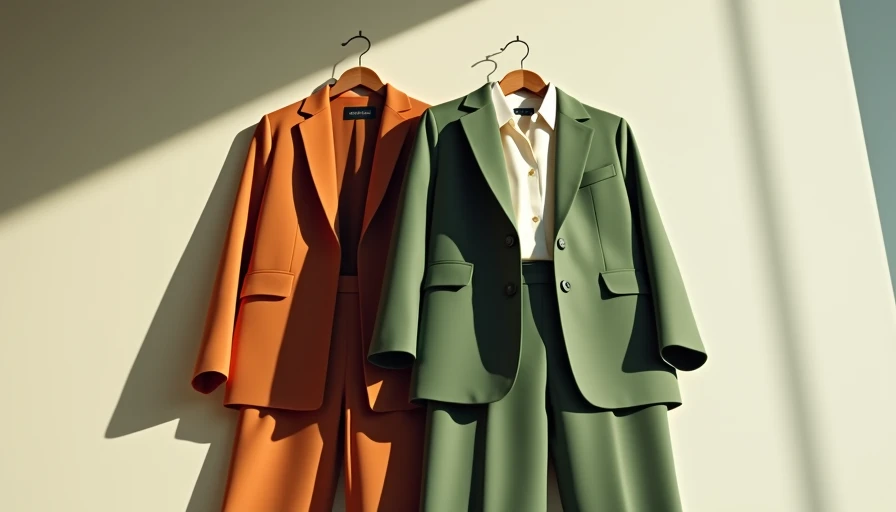
Here are three combinations I use myself. Outfit one: a navy blazer, gray trousers, and a plain white tee. It reads polished in a conference room and casual enough for a sit-down at a coffee shop. Outfit two: a black sheath dress with a cardigan in a warm tone, worn with ankle boots. This one covers days when you have back-to-back meetings and no time to think. Outfit three: black pants, a silk-blend shell, and loafers. Add a long necklace if you like, but don't let accessories do the work. The outfit should stand on its own. Each of these business casual outfits for women can be built for under $250 total if you shop smart. Wait for sales at J.Crew Factory or look at secondhand sites like ThredUp. Good clothes don't have to come with a department store price tag.

How to Handle the Casual Friday Trap
Casual Friday is where business casual outfits for women go to die. Offices say dress down and suddenly everyone's in gym clothes. But you can still look put-together without a blazer. Swap the blazer for a knit cardigan in a solid color. Keep the tailored trousers and add a crisp denim shirt. Or wear dark jeans with the same blazer and skip the heels — if your office allows it. The key is to keep the structure of your weekday outfit and just soften one element. That way, if a client calls an impromptu meeting, you're already ready. Casual doesn't mean sloppy. It means one less layer.
The Cost-Per-Wear Rule I Use on Every Purchase
Before I buy anything over $50, I open the cost-per-wear note on my phone. Divide the price by the number of times you'll realistically wear it. A $120 blazer worn forty times a year for three years costs about a dollar per wear. A $40 trendy shirt worn twice costs twenty dollars per wear. The math is simple, and it changes what you buy. When you're looking for business casual outfits for women, this rule stops you from buying the sequined top you'll never put on. Instead, you invest in the pieces that show up again and again. That's how you get a wardrobe that works without a giant budget.
What to Skip (So You Don't Waste Another Paycheck)
Things I'd skip: anything with a giant logo, anything that wrinkles the moment you sit down, and any shoe you can't walk to the parking garage in. Also skip the blazer with shoulder pads from 2010 that you're keeping just in case. If it doesn't fit right now, it's not going to fit next month. Donate it. When you build a work wardrobe with these five pieces, you stop buying clothes that just hang in the closet. You start buying clothes that actually work. That's the goal. Good clothes, no drama. One more thing: if you're unsure, ask a coworker whose style you respect. A second opinion takes three minutes and can save you $80.