
Casual Business Attire Women: What Works in the Conference Room
Tuesday, 9:45 AM. I'm sitting in the client lobby at the Wells Fargo branch, and I'm already tugging at the hem of my jacket. The blazer fit fine in the mirror at 7 AM, but now it's riding up and pulling across my shoulders. I know the client is going to notice my discomfort before she notices my credentials. That was years ago, before I built a wardrobe of casual business attire women can actually move in — outfits that survive a commute, a client meeting, a sandwich at my desk, and a school pickup without falling apart or making me re-adjust every ten minutes.
That phrase from the HR memo usually makes me think of stiff cotton blazers. My branch tested everything on real workdays. By the time I left, I had a list of what works.
The Conference Room Test
Before you buy anything, ask this question: will this still look right when you're sitting down, reaching across a table for a pen, or standing up from a low chair? That's the test I used on every piece in my closet. A shirt that gaps when you lean forward, a jacket that creases across your back, a pair of trousers that pulls at the waist when you sit — all of those fail. The fix isn't sizing up one size. It's choosing cuts with stretch and ease, pieces designed to move with you. When a client is deciding whether to trust you with their money, they shouldn't have to watch you tug at a sleeve.
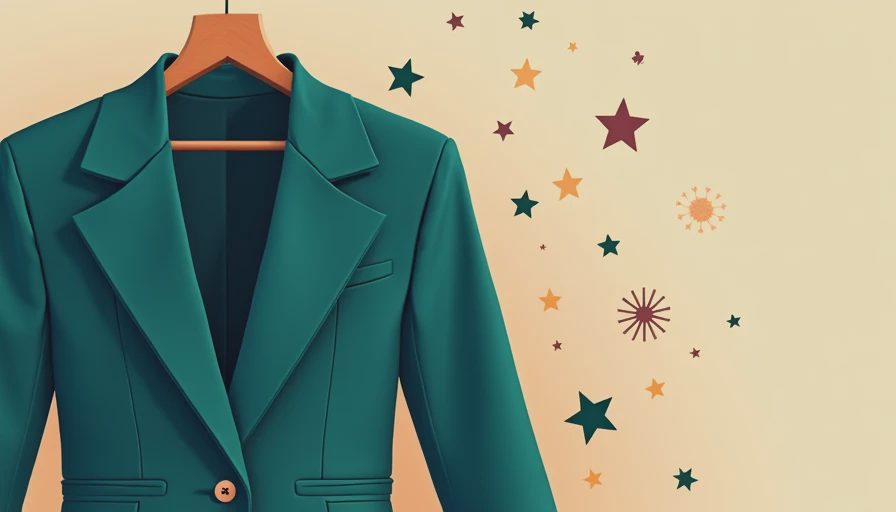
Start With the Blazer, Not the Trends
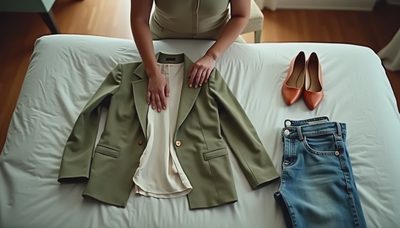
The single most useful piece of casual business attire women can own is a blazer cut like a cardigan. Unconstructed, unlined, with a little give in the fabric. I own two: a black one from Everlane that has survived three years of client meetings and a tan cotton one from J.Crew that goes in the washing machine. When you find a jacket that fits your shoulders and lets you reach for a file without resistance, buy it in two colors. That one piece turns a basic top and dark jeans into a meeting outfit. Skip oversize blazers that slip off your shoulder — cocktail looks don't belong in a conference room.
The Trousers That Actually Move
Skip anything that says "dry clean only" on the tag. For casual business attire women, the smartest trousers are machine-washable ponte knit or a stretch wool blend. High-rise, wide or straight leg. Skinny trousers in an office become a struggle by 3 PM, especially if you're walking between floors. I wore the Sateen pant from Banana Republic for a full winter; it keeps its shape and doesn't bag at the knees. The key is proportion, which in bank language means your trousers should end at the right place on your shoe when you sit down, not bunch around your ankles or hike up when you stand. If you have to adjust them every time you get up, they're not doing you any favors.
Shoes That Let You Walk Into a Meeting
You do not need heels. The best casual business attire women can wear to work are loafers or low-heeled boots in leather or a convincing fake leather. I wore the same pair of black loafers for two years — $120, and they dropped below a dollar per wear before I retired them. Choose a rubber sole so you can walk from the parking lot into the building without skating across the lobby. If you want a heel, keep it under two inches. A heel you can't chase a client in isn't a work shoe — it's a prop.

The Dress Code Borderline
Every company has a slightly different read on business casual. Some offices accept dark jeans with a blazer; others want pressed slacks and closed-toe shoes. When you're putting together casual business attire women know is safe, start with the blazer and add a top with a collar. The blazer does the heavy lifting; the base layer just needs to look intentional. If you take the jacket off and the outfit reads as pajama-adjacent, choose a different top. I keep a few silk or cotton shells in colors that work with my skin, nothing printed or competing with my face. You want someone to hear what you're saying, not stare at a print.
The Cost-Per-Wear Rule
I keep a note on my phone for every item over $50. Each time I wear it, I divide the original price by the number of wears. A blazer that cost $80 and gets worn twice a month for a year costs about $3.30 per wear. After two years, it's under two dollars. Clothes that sit in the closet cost the same but deliver nothing. This is why I don't chase sales: a $35 trendy top worn once is worse than an $80 blazer worn forty times. Cost per wear tells the truth where price tags don't.
The One Question to Ask Tomorrow Morning
Before you put on anything for work, do the conference room test. Reach both arms forward as if you're grabbing a folder across a desk. Bend over to pick up a bag. Anything that digs, pulls, slides, or needs adjustment gets set aside for a different day. You don't have to throw it away. Just know what it does. Then pull the pieces that pass the test — the blazer that doesn't bind, the trousers that don't need hitching, the shoes that let you move — and put them together. Good clothes, no drama.
Casual business attire women can be comfortable, presentable, and ready for whatever the day throws at them, without spending a fortune or following a single trend. The formula is simple: one well-fitted blazer, one pair of trousers that move, one pair of shoes that carry you through. That's an outfit you can stop thinking about — and focus on the work instead.